Share the page

Towards an inclusive and resilient urban transition in the face of climate (Maroua)
Project

-
Project start date
-
Status
In progress
-
Estimated date of project termination
-
-
Project financing date
-
-
Financing duration
-
4 years
-
Type of program
-
FFEM
-
Global financing amount
-
€ 6000000
-
FFEM financing amount
-
€ 3000000
-
Project lead member institution(s)
-
French Ministry of the Ecological Transition
-
Country and region
-
Africa, Cameroon



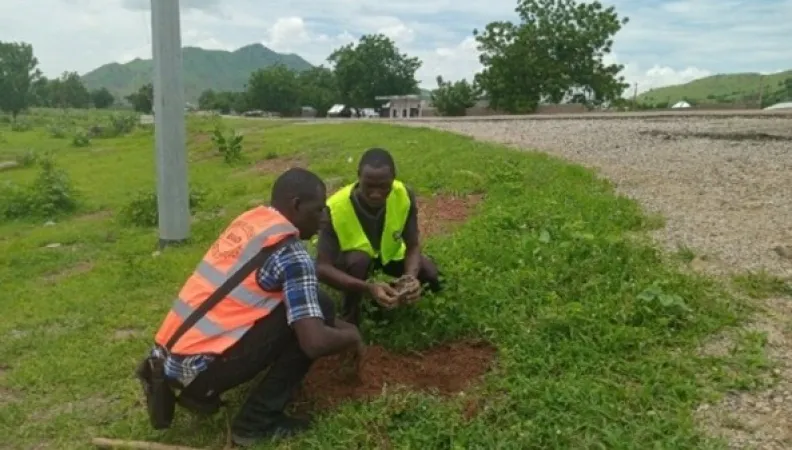
Faced with rapid urbanization and increasing risks related to climate change, the city of Maroua is committed to a transition towards a greener, inclusive and resilient urban model. The FFEM supports this pioneering approach of participatory urban planning and adaptation to climate impacts, in a region highly exposed to drought, floods and land insecurity.
Context
Maroua, a large city in the Far North of Cameroon, is experiencing rapid urbanization in a context of high climate and humanitarian vulnerability. Its population, which has been growing strongly for several decades, is expected to double by 2050, which increases the pressure on natural resources, basic services, employment and access to sustainable housing. Droughts, floods and pollution undermine a territory that is poorly equipped to deal with them.
Description
The project aims to strengthen the climate resilience of Maroua and improve inclusive urban governance. It revolves around four axes:
- Strengthen the capacities of decentralised local authorities in sustainable and participatory urban planning, and promote equitable gender standards in the management of urban space.
- Invest in ecological infrastructure and an urban green framework aimed at reducing risks.
- Supporting the green and circular economy for the ecological transition.
- Produce and disseminate knowledge to inspire inclusive and resilient urban policies.
Outcomes
- Strengthen urban governance by providing 4 Decentralized Territorial Communities (CTD) with planning documents (1 Urban Movement Plan – PDU, 3 Land Use Plans – POS) and by setting up 4 local authorities and 15 neighborhood committees.
- Develop a green grid with 140,000 trees, 60,000 shrubs, constructed gutters, and cures, 5 solar boreholes and 1 roadway.
- Support 50 very small and small enterprises (TPE/PE) engaged in the green economy and train 850 young people (35% of whom are women), with the support of 30 savings associations representing 600 members.
- Disseminate the results of the project through action research with the National Polytechnic School of Maroua and spread the approach among urban stakeholder platforms and at least 1 CTD.
Innovative and exemplary features
The project is distinguished by an innovative approach, both multi-stakeholder and multidisciplinary, which reinforces the quality of the actions carried out and facilitates their dissemination on a larger scale. It also incorporates a strong social dimension, supporting the transformation of gender norms and population cohesion in a context of regional crisis and high migration. Finally, by focusing on the green and circular economy and nature-based solutions, still little developed in Cameroon, the project contributes to developing local jobs and know-how and creating public spaces that directly benefit Maroua and its inhabitants.
Sustainable Development Goals
ODD8 Decent work and economic growth
ODD11 Sustainable cities and communities
ODD12 Responsible consumption and production
ODD13 Climate action
ODD17 Partnerships for the goals