Share the page
The FFEM and WWF France are launching a project to protect Posidonia seagrass beds and promote blue carbon in Tunisia
Published on
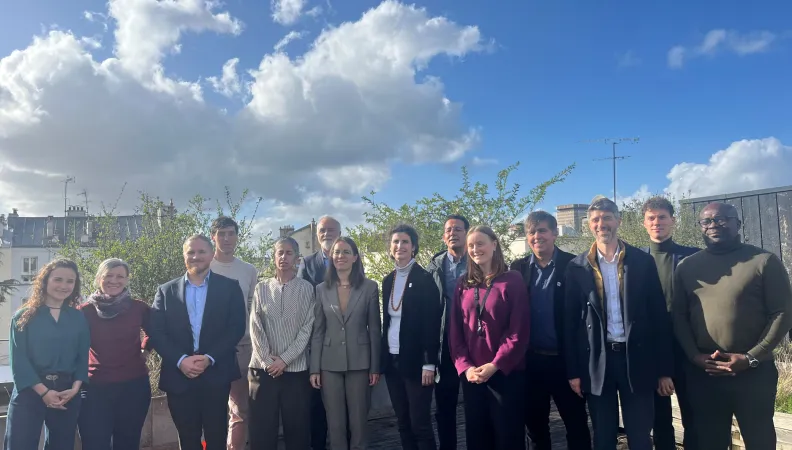
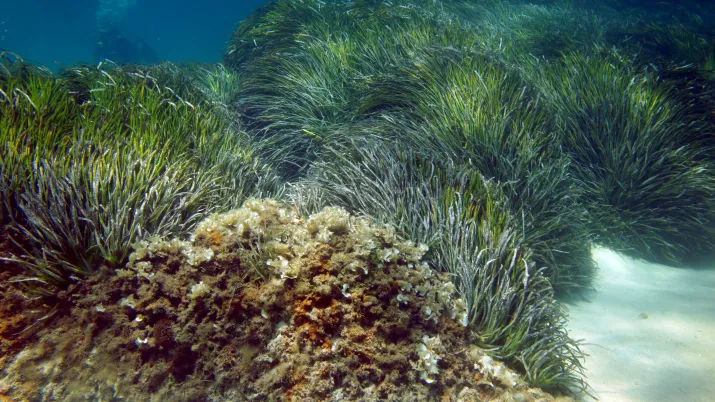
For more than 20 years, the French Facility for Global Environment and WWF France have been pooling their expertise to support innovative projects that promote biodiversity. With the launch of the PENELOPE project in Tunisia, they are strengthening their commitment to protecting Posidonia seagrass beds and developing blue carbon.
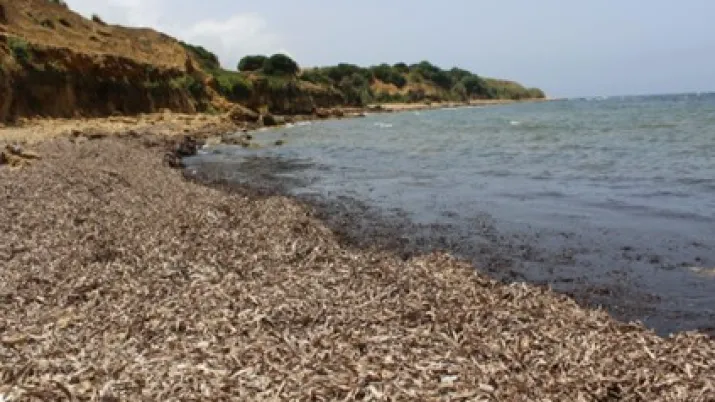
As essential marine ecosystems, Posidonia seagrass beds play a key role in biodiversity, fisheries, and climate regulation thanks to their exceptional carbon storage capacity. Yet they remain insufficiently understood and protected in Tunisia.
With a budget of 2 million euros, the PENELOPE project relies on the collective mobilization of committed stakeholders. It is implemented by WWF, in partnership with WWF North Africa, BlueSeeds, and the French Office for Biodiversity, with support from the Ministry of Ecological Transition and co-financing from the French Development Agency (AFD) through the Blue Carbon Facility and the Hans Wilsdorf Foundation.
The French Facility for Global Environment is contributing 1 million euros and focusing its support on the development of sustainable fishing practices, in close collaboration with local communities, to reconcile seagrass bed conservation with economic activities.
The project employs an integrated approach: generating scientific knowledge, strengthening legal protection, developing blue carbon mechanisms, and supporting local stakeholders in adopting sustainable practices.
Through this initiative, the partners aim to establish a replicable model in the Mediterranean that balances ecosystem protection, economic development, and climate action.
Read the full press release
Learn about the goals of the project and the partnership between FFEM and WWF France
Learn more about the project
Promoting blue carbon for sustainable fishing and resilient coastlines in Tunisia (PENELOPE)
The project supports sustainable coastal management by promoting these essential marine ecosystems, which are genuine blue carbon sinks, while strengthening their protection and raising public awaren...
- When ?
-
2026 - 2029
Status
In progress
- Theme
- Biodiversity, Changement climatique, Aquatic ecosystems
- Location
- Tunisia
- Co-financiers
- Agence Française de Développement (AFD), Fondation Hans Wilsdorf, WWF France, WWF North Africa