Share the page

Towards an integrated management of plastics and the preservation of biodiversity in Cape Verde (Ilhas Sem Plástico)
Project
Published on

-
Project start date
-
Status
In progress
-
Estimated date of project termination
-
-
Project financing date
-
-
Financing duration
-
3 years
-
Type of program
-
FFEM
-
Global financing amount
-
€ 1 584 000
-
FFEM financing amount
-
€ 792 000
-
Project lead member institution(s)
-
French Ministry of the Ecological Transition
-
Country and region
-
Cape Verde, Africa
-
Type of financing
-
Beneficiaries
-
Biosfera
-
Type of beneficiary
-
NGO, Foundation



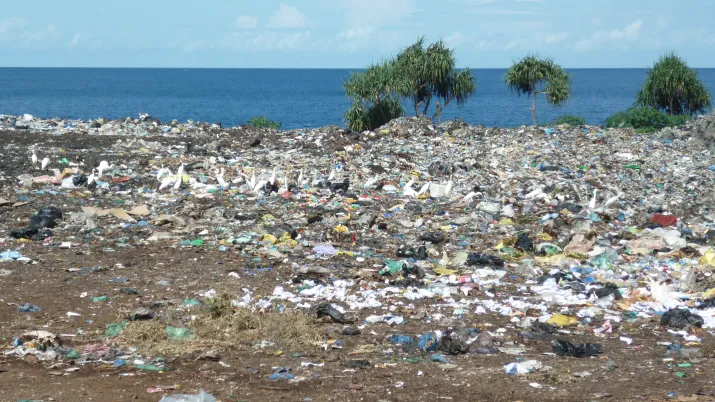
Heavily affected by plastic pollution, Cape Verde is launching a 3-year project to reduce plastic pollution at the source, restore biodiversity, strengthen local capacities for plastics management and disseminate good practices at national and regional levels.
Context
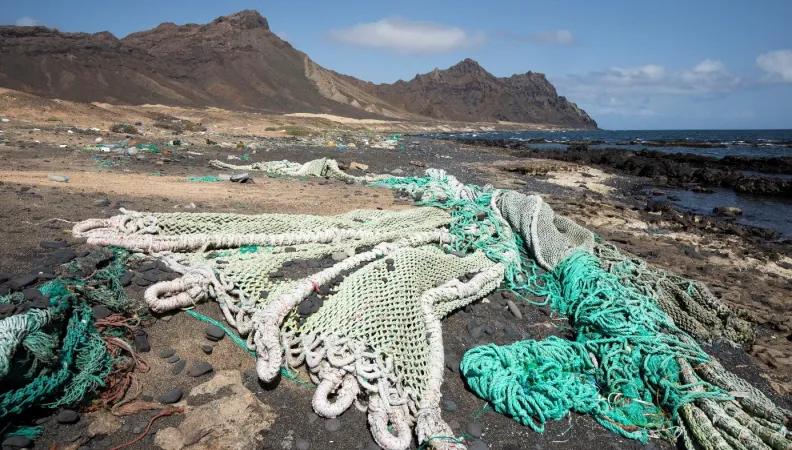
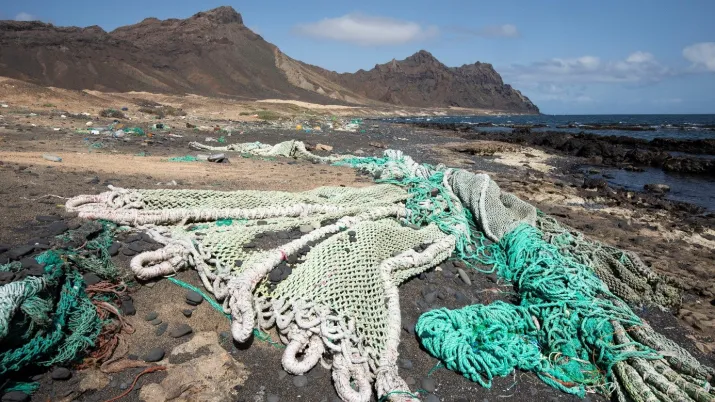
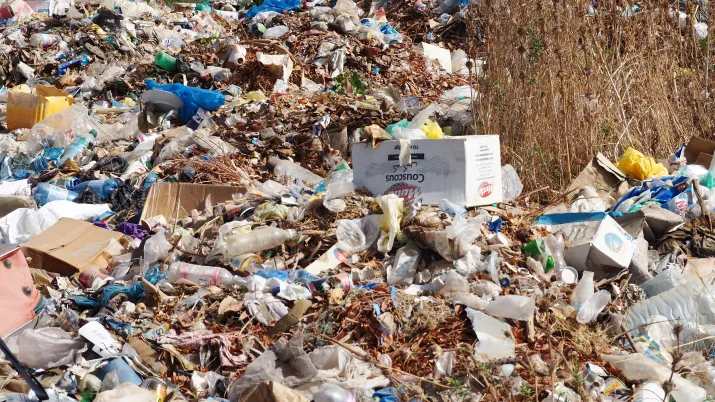
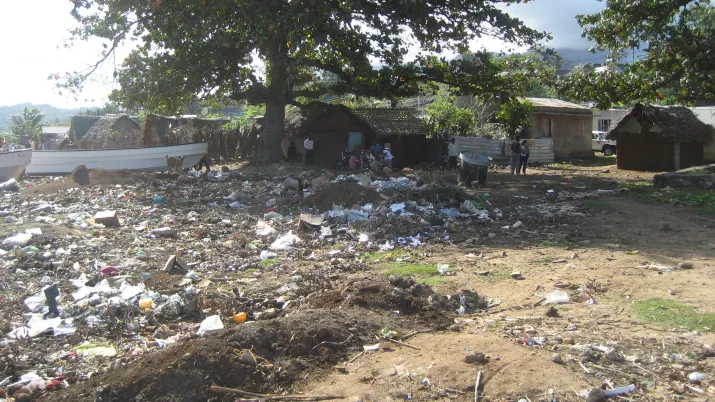
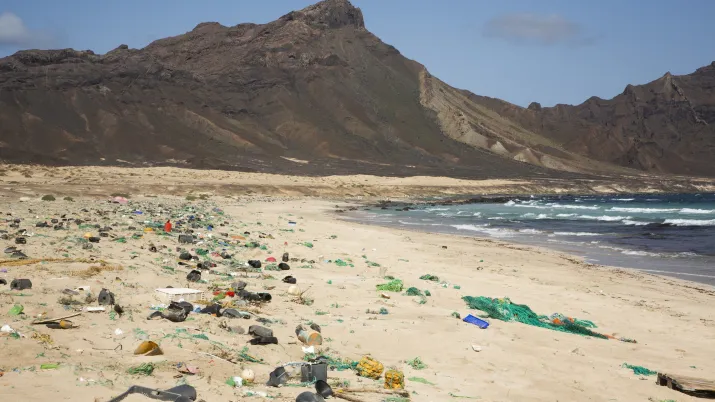
Cape Verde, an isolated archipelago with significant economic and social challenges, is facing increasing plastic pollution. Pollution threatens local biodiversity and the health of the population. Waste management remains a major challenge to preserve the environment and support sustainable development. The archipelago, consisting of ten main islands, is particularly exposed to marine plastic waste transported by ocean currents. Every year, thousands of tons of plastics run up on its beaches, severely affecting marine ecosystems. Local and international initiatives are emerging to raise awareness, clean up and structure a sustainable response. The project led by the NGO Biosfera, on the islands of Santa Luzia and São Vicente, is part of this dynamic. It joins the 2023-2026 strategy of the FFEM around circular solutions and the fight against pollution.
Description
- Reduce plastic pollution at source in São Vicente by raising awareness among national actors and the local population and promoting the reduction of plastic use, reuse, alternatives, and finally the collection and sorting of plastic waste
- Restore the nesting sites of marine turtles in Santa Luzia and monitor the impact of plastic on biodiversity.
- Accompany the development of a Cape Verdean national strategy for plastic management.
- Replicate successful actions on other islands and inspire similar initiatives in island contexts.
Outcomes
- Concretely reduce plastic pollution and preserve sensitive marine ecosystems, particularly turtle nesting areas.
- Change behaviors sustainably, through education and awareness actions and the mobilization of local economic actors.
- Create a reproducible model, adaptable to other islands of Cape Verde and other island territories facing the same challenges.
- Unite local, public, private and associative actors around a common strategy for a future without plastic.
Innovative and exemplary features
This project tackles plastic pollution in Santa Luzia and São Vicente by acting on the entire plastic value chain. It proposes a global approach: prevention, reduction at source, transformation of uses and local capacity building. Co-built with the actors of the territory, it creates a sustainable collective dynamic. The objective: to develop a sustainable local model for reducing plastic pollution, replicable in other island territories.
Sustainable Development Goals
ODD12 Responsible consumption and production
ODD13 Climate action
ODD14 Life below water
ODD15 Life on land
ODD17 Partnerships for the goals
Our initiatives for sustainable waste management and a circular economy
All the news
Combating plastic pollution: preventing it at the source to bring about lasting change in practices
Published on March 30, 2026
“The Plast’ile project aims to have a global impact for ecosystems and populations alike”: interview wit...
Published on February 7, 2022