Share the page
Combating plastic pollution: preventing it at the source to bring about lasting change in practices
Published on
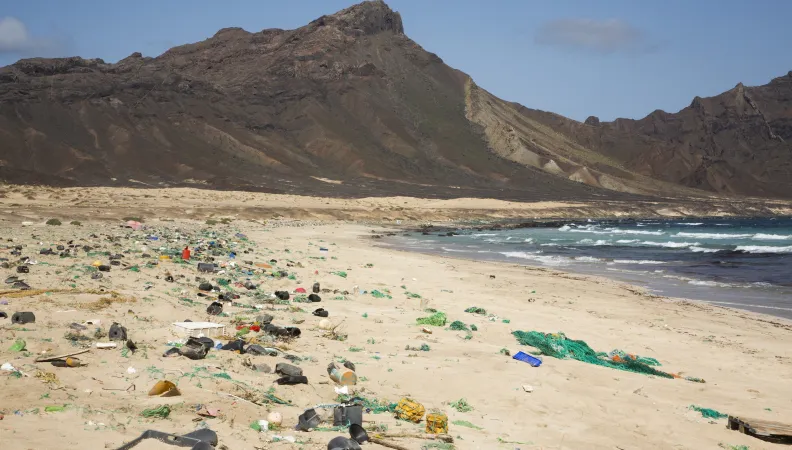
Every year, more than 400 million tons of plastic are produced worldwide, much of which quickly becomes waste (source: UN). In the face of this environmental and health crisis, International Zero Waste Day serves as a reminder of the need to transform our production and consumption patterns.
In this context, the FFEM holds a firm conviction: the most effective response to plastic pollution is first and foremost to prevent waste generation, even before improving waste management.
An ambitious regional initiative to combat plastic pollution
To put this approach into practice, the FFEM and the Secretariat of the Basel, Rotterdam, and Stockholm Conventions (BRS) have signed a €2 million funding agreement. This regional project aims to combat plastic pollution in Cape Verde, Senegal, and more broadly across French-speaking West Africa.
It supports partner countries in:
- Implementing the amendments to the Basel Convention;
- Preparing for the future international treaty on plastic pollution;
- Contributing to the Sustainable Development Goals by 2030.
A comprehensive approach, from prevention to sustainable management
The project is based on an integrated approach to plastic waste management centered around five complementary pillars:
- Actively promoting reduction at the source;
- Strengthening controls on cross-border movements;
- Environmentally sound management of plastic waste;
- Raising awareness among public and private stakeholders;
- Monitoring and evaluating results
The objective is clear: to sustainably reduce plastic waste generation, limit its dispersion in the environment, and improve its management, while combating illicit trafficking.
This initiative is fully aligned with the One Health approach, which highlights the close links between human, animal, and environmental health. Preventing pollution, particularly plastic pollution, thus becomes a key lever for reducing global health risks. These issues will be at the heart of discussions at the upcoming One Health Summit in Lyon on April 6 and 7, 2026, which will bring together public officials, scientists and technical experts, private sector representatives, civil society, and international organizations to address health, environmental, and climate challenges.
Plastic pollution is one of the most visible manifestations of how we have failed to maximize the benefits of such a versatile product. By embracing the life cycle approach, global action such as Zero Waste enhances the work of the Basel Convention in the minimization and environmentally sound management of plastic wastes. Through the FFEM-BRS Plastique project being implement in Senegal and Cabo Verde, we can demonstrate that, through strong government commitment, public intervention and on-the- ground action by the private sector, we can clean up our planet from the scourge of plastic pollution.

Practical solutions that have been tested in the field and can be scaled up
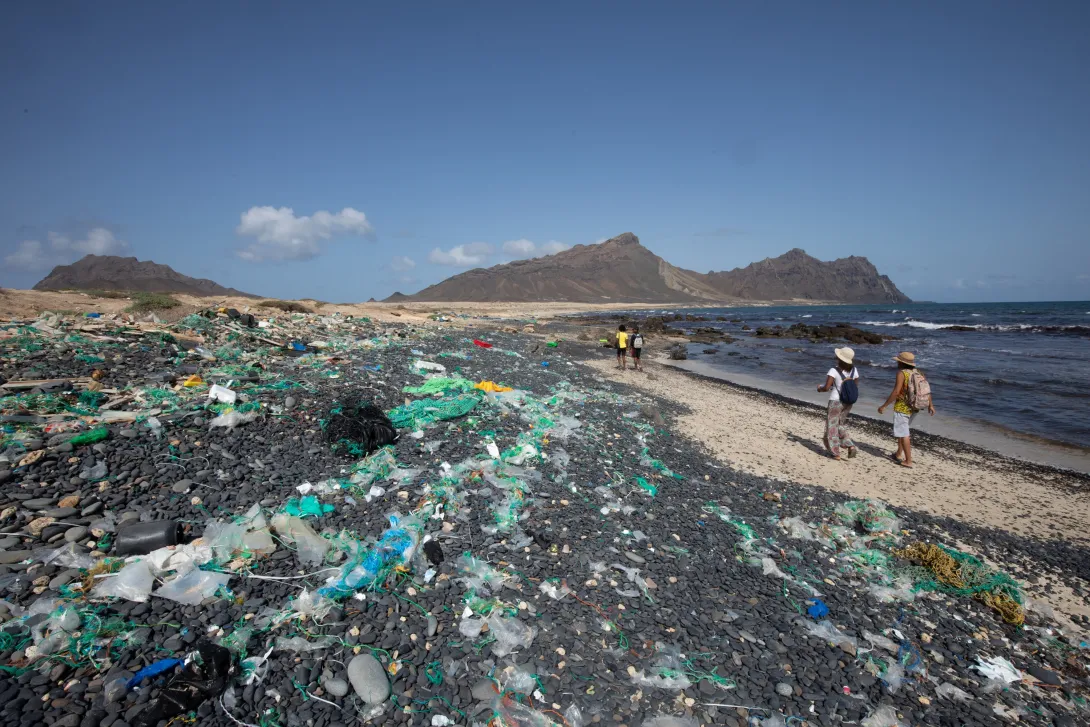
The pilot projects implemented in these countries aim to test and develop innovative solutions that reduce waste generation, improve waste management, and promote circular economy models.
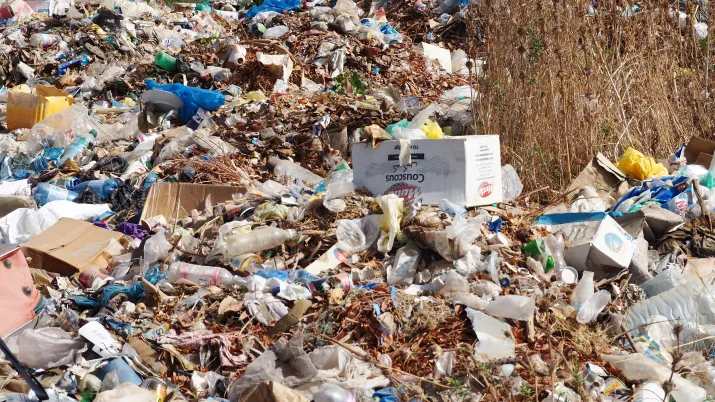
In Cape Verde and Senegal, initiatives focus primarily on the main sources of plastic waste, including packaging, bottles, and—in Senegal—water bags.
Innovative pilot projects are being rolled out to test concrete solutions, including:
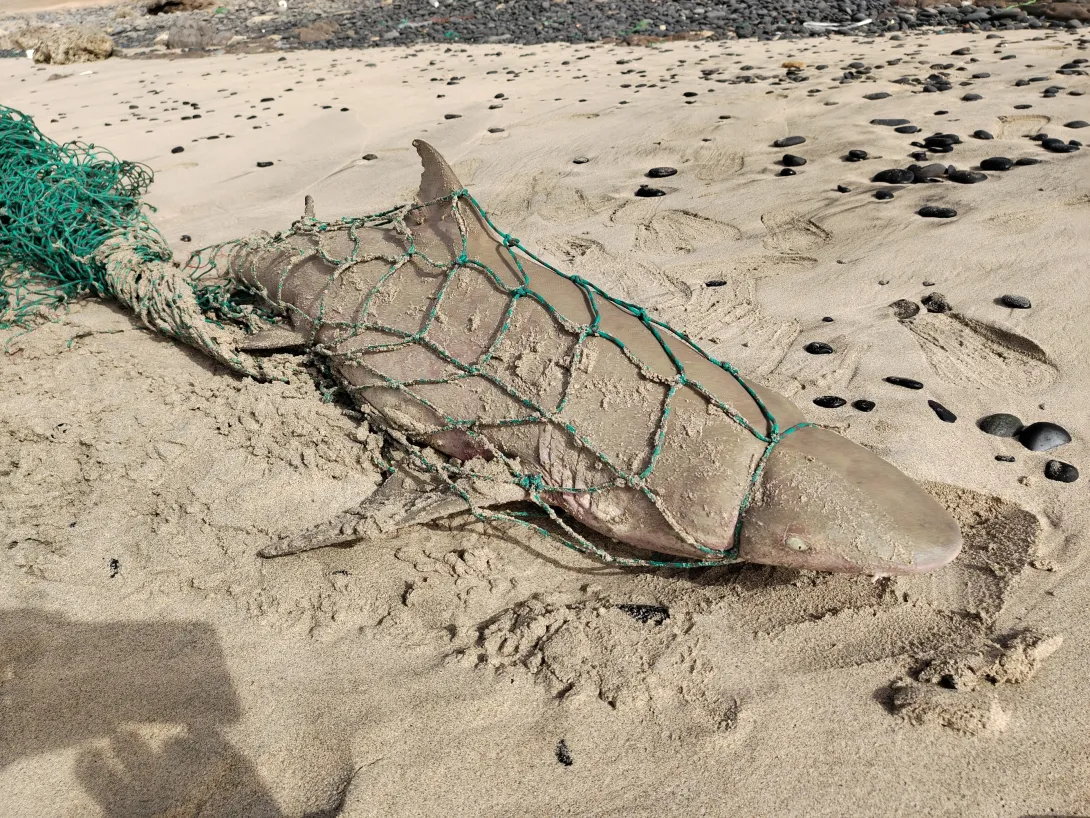
- System for the collection and recycling of plastic fishing net waste (Senegal)
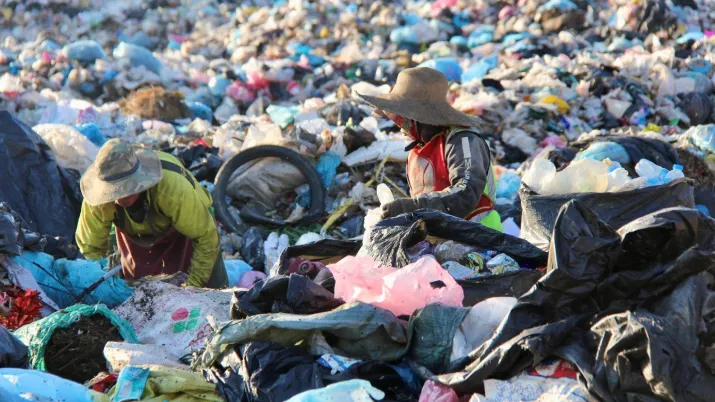
- Collection and recycling system of plastic water bags and introduction of alternative livelihoods (Senegal)
- Reduction of plastic waste generation in hotels (Cape Verde)
- Establishment of a network of civil society organizations for the implementation of small-scale collection and recycling systems, production of alternatives and education (Cape Verde)
- Schools without plastics (Cape Verde and Senegal)
These initiatives bring together a wide range of stakeholders—the private sector, civil society, local governments, and academia—and aim to demonstrate that solutions that are effective, sustainable, and replicable can be implemented on a large scale.
The FFEM is delighted to be working alongside the governments of Cape Verde and Senegal, the Secretariat of the Basel, Rotterdam, and Stockholm Conventions, and all stakeholders to implement this project. This partnership reflects France’s commitment to supporting actions aimed at protecting human health and the environment from the harmful effects of plastic pollution and waste. The project helps strengthen regional leadership in reducing plastic pollution at the source and implementing the Basel Convention. By demonstrating innovative, scalable, and economically viable solutions to end plastic pollution, it will serve as a model for broader implementation across Africa, as well as in other regions.

Reducing waste at the source: a key driver for sustainable food systems
This year, International Zero Waste Day focuses on food: what we eat, what we waste, and how we can move toward a circular future. Plastic pollution is closely linked to food systems, particularly through packaging, distribution, and food preservation.
Taking action at the source helps:
- Reduce food-related waste;
- Reduce food waste;
- Conserve natural resources.
This involves practices such as:
- Eco-design of packaging;
- Reducing single-use items;
- Optimizing distribution channels.
Moving from alert to action
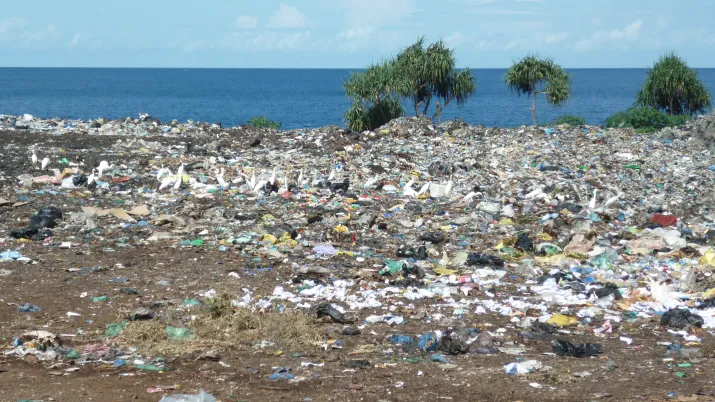
Between 19 and 23 million tons of plastic waste enter aquatic ecosystems each year, and without urgent action, this figure is expected to increase by 50% by 2040 (UN). Given this trend, the challenge is no longer just to raise awareness, but to take action.
Solutions already exist, but their large-scale deployment requires:
- Collective mobilization;
- Ambitious public policies;
- Increased support for innovation.
By demonstrating concrete, replicable, and economically viable models, the FFEM-BRS project helps pave the way toward a future free of plastic pollution—one that is more sustainable for future generations.
Learn more about the project
Management of plastic waste, in accordance with the Basel Convention
In line with the principles of the Basel Convention, the project supported by the FFEM aims to better protect human health and the environment against the adverse impacts of plastic waste in Cape Verd...
- When ?
-
2025 - 2028
Status
In progress
- Theme
- Product life cycle, pollution and waste
- Location
- Cape Verde, Senegal
- Co-financiers
- CRCBS-AF, Ministry of the Environment and Sustainable Development (MEDD) of Senegal, Ministerio de Agricultura e Ambiente du Cap Vert, Norad, NREF, European Union (EU)
Our projects across the continents
Use of plastics and waste management to benefit the environment in Costa Rica
In progress
2022 - 2027
Our latest news
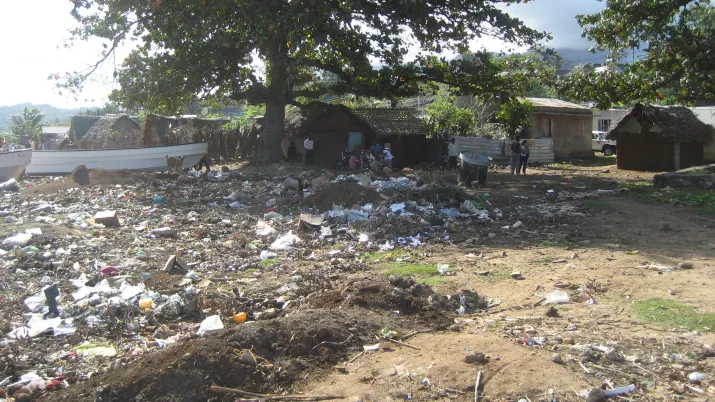
FFEM and Desertification: From Local Innovation to Global Solutions
How can local initiatives be transformed into global solutions to address desertification? Desertification is advancing in many regions of the world, driven by the combined effects of climate chang...
Published on March 25, 2026
When Forests Inspire the Future of Agriculture Through Agroforestry: A Winning Partnership Between Agricultur...
Published on March 20, 2026
A First for Fisheries Co-management: Celebrating the Inaugural Fisheries Management Areas in Zambia
Published on March 19, 2026
When energy innovation brings lasting change to regions
Published on March 4, 2026