Share the page
A First for Fisheries Co-management: Celebrating the Inaugural Fisheries Management Areas in Zambia
Published on
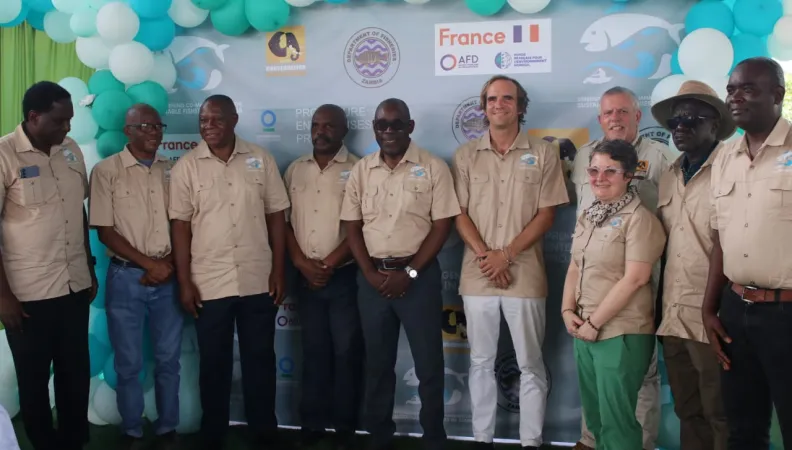
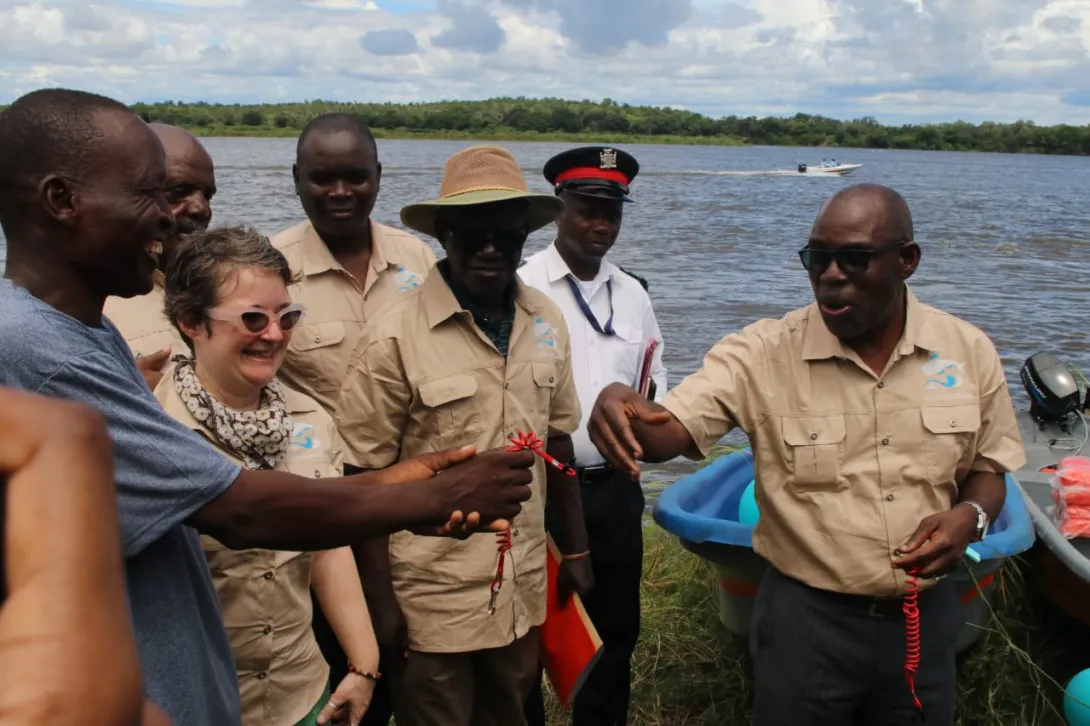
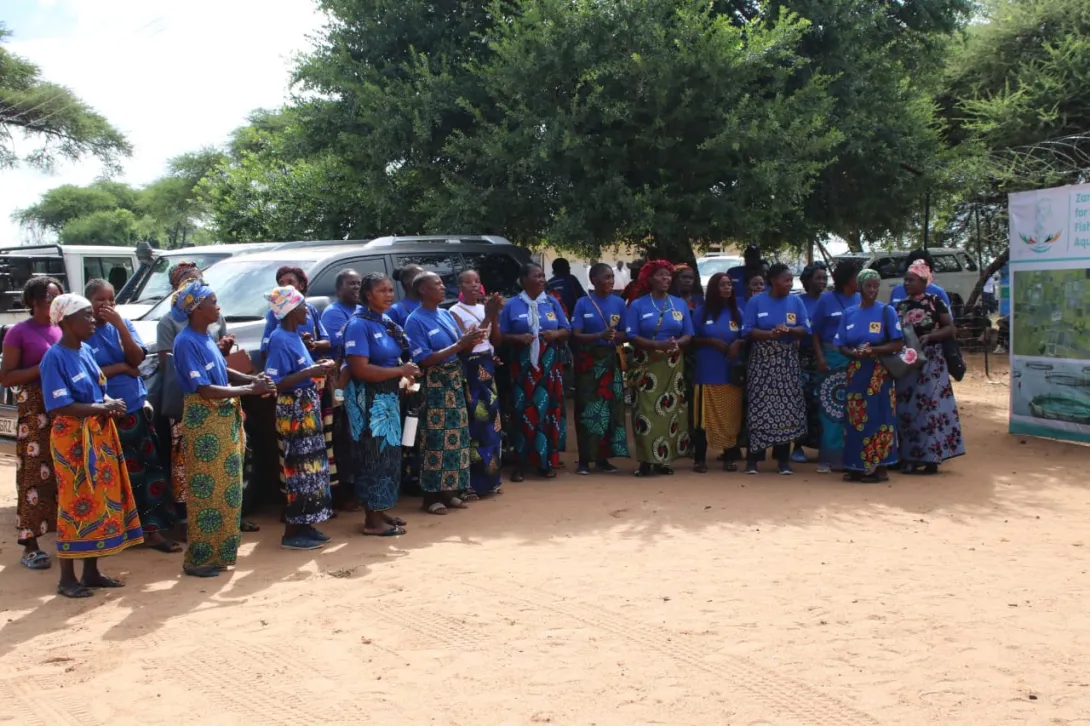
Chiawa, Zambia (March 16, 2026) – Today, the government of Zambia has handed over statutory instruments for the recently declared Fisheries Management Areas (FMAs) in Chiawa and Namoomba communities. The two FMAs are in the very first cohort of FMAs ever gazetted in Zambia.
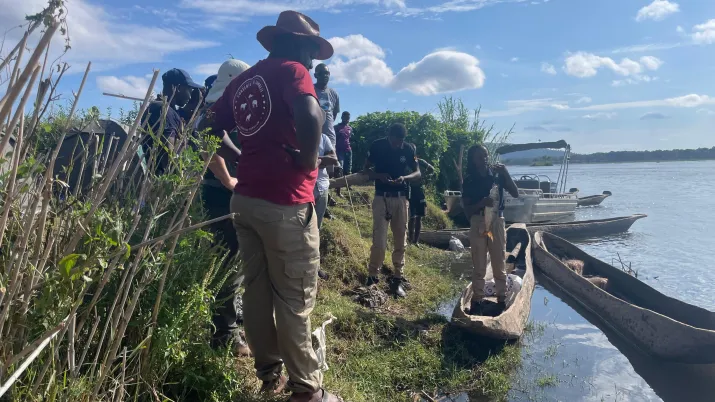
Both FMAs are located in a trans-boundary section of the river between Zambia and Zimbabwe, within the Lower Zambezi-Mana Pools landscape. The area is known for its nature and wildlife, drawing thousands of tourists each year to see elephants, lions, hippos and other iconic species.
The declaration was achieved through support of the regional Pro-nature Enterprise Project, led by Conservation International with Conservation Lower Zambezi (CLZ) leading implementation in Lower Zambezi. CLZ works in partnership with the Department of Fisheries, tourism operators, traditional leadership and other local stakeholders. This collaborative and inclusive process has been supported by the French government through the Agence Française de Développement (AFD) and the French Facility for Global Environment (FFEM).
To complement the two FMAs, the government has also approved Fisheries Management Plans that will guide the implementation of fisheries co-management among the various stakeholders in the landscape.
The river is the most important source of daily protein for over 4,000 households living along its banks. Around 200 artisanal fishermen derive their incomes from fisheries. Moreover, sport fishing is core to the tourism industry, which employs hundreds of local people.
Conservation International and implementing partners have used Conservation Agreements as a regulatory framework preceding the full declaration of the FMAs. The Conservation Agreements with the local community provide incentives, such as sustainable fishing gear and boats, for communities to adopt sustainable fishing practices.
The approved management plans, have borrowed heavily from a policy paper drafted by Conservation International and the Zambia National Forum for Fisheries and Aquaculture.
By supporting sustainable co-management of fisheries in the Lower Zambezi, the FFEM, in partnership with Conservation International, demonstrates that biodiversity conservation can be a powerful lever for social justice. This project helps secure livelihoods, strengthen local communities' usage rights, and generate sustainable economic opportunities, while protecting the ecosystems on which these communities directly depend,
About Conservation International: Conservation International protects nature for the benefit of humanity. Through science, policy, fieldwork and finance, we spotlight and secure the most important places in nature for the climate, for biodiversity and for people. With offices in 30 countries and projects in more than 100 countries, Conservation International partners with governments, companies, civil society, Indigenous peoples and local communities to help people and nature thrive together. Go to Conservation.org for more, and follow our work on Conservation News, Facebook, Twitter, TikTok, Instagram and YouTube
About Conservation Lower Zambezi
Conservation Lower Zambezi (CLZ) is an NGO committed to the protection of wildlife and sustainable use of natural resources in the Lower Zambezi, Zambia. Established in 1994, CLZ’s mission focuses on three main pillars of support: Wildlife Protection and Conservation, Environmental Education, and Community Empowerment. CLZ also has a Judicial Support Programme, Illegal Wildlife Trade Project and Sustainable co-management fisheries programs. CLZ works closely with the Department of National Parks and Wildlife (DNPW) - the wildlife agency mandated under the Zambia Wildlife Act of 2015 to manage and conserve Zambia’s wildlife.
About Agence Française de Développement
Agence Française de Développement (AFD) helps advance France’s policy on sustainable investment and international solidarity. Through its public sector and NGO financing operations, research and publications (Éditions AFD), sustainable development training programs (AFD Group Campus) and awareness-raising activities in France, AFD finances, supports and drives the transition to a fairer, more resilient world. Alongside our partners, we provide sustainable solutions for—and with—communities. Our teams are working on over 2,700 projects in the field, in over 115 countries, including France’s overseas departments and territories, to support projects for the climate, biodiversity, peace, gender equality and global health. Together with Proparco and Expertise France, AFD supports the commitment of France and the French people to achieve the Sustainable Development Goals (SDGs). Working by your side, toward a world in common.
More info about the project
Sustainable Fishing in the Lower Zambezi Transboundary Conservation Area (Pro Nature)
The Pro Nature project aims to reconcile biodiversity conservation with socio-economic benefits for local communities through conservation agreements, particularly for sustainable fishing, in the Lowe...
- When ?
-
2022 - 2027
Status
In progress
- Theme
- Biodiversity, Aquatic ecosystems
- Location
- South Africa, Zambia
- Co-financiers
- Agence Française de Développement (AFD), Pêche durable dans la Zone Transfrontalière de Conservation du Bas-Zambèze (Pro Nature)
Our latest news
Equal rights and environmental justice in the Lower Zambezi: a new pact for the territories
Published on February 20, 2026
When energy innovation brings lasting change to regions
Published on March 4, 2026
World Wetlands Day: Essential ecosystems to preserve: Traditional knowledge, international commitments, and FF...
Published on February 2, 2026