Share the page
Equal rights and environmental justice in the Lower Zambezi: a new pact for the territories
Published on
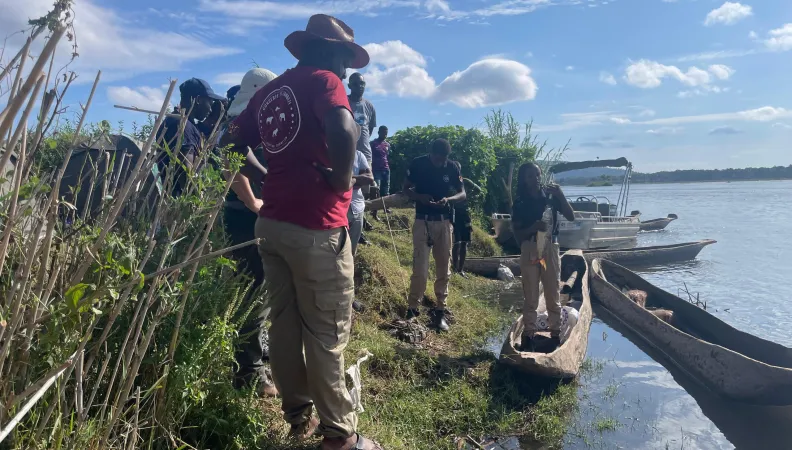
On World Social Justice Day, the FFEM is promoting the development of local communities through one of its flagship projects in the Lower Zambezi region: Entreprises Pro Nature. Launched in 2022 for a period of five years, this project aims to reconcile biodiversity conservation with improved living conditions through conservation agreements, particularly in the sustainable fishing sector. By combining environmental sustainability, local governance, and job creation, it contributes to a just transition that benefits the most vulnerable populations.
A territorial approach promoting social and environmental justice
Based on equal rights and access for all to economic and social progress, social justice finds concrete leverage in the sustainable management of natural resources. In southern Africa, ecosystems provide essential services—food security, access to water, soil fertility—while also constituting a source of economic activity for the regions. The approach developed by Conservation International since 2020, based on conservation agreements, is part of this dynamic by linking ecosystem protection, community participation, and benefit sharing.
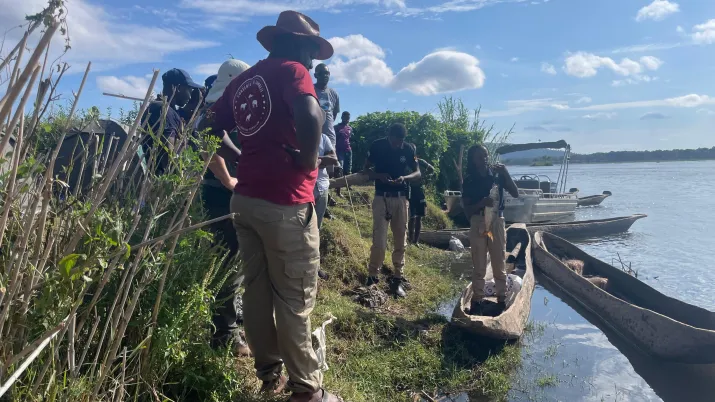
Implemented in 4 southern African countries as part of the Conservation International-AFD-FFEM partnership, the project, implemented locally by Conservation Lower Zambezi, supports vulnerable populations living far from public services in developing sustainable economic activities. On the banks of the Zambezi River, the component dedicated to sustainable artisanal fishing facilitates market access for producers committed to preserving fishery resources, thereby strengthening social and environmental justice.
The FFEM specifically supports the establishment of a cross-border co-management system for fishing in the Lower Zambezi Conservation Area between Zambia and Zimbabwe. This model is based on concrete incentives and technical support enabling communities to adopt practices adapted to their socio-economic realities.
"By supporting sustainable co-management of fisheries in the Lower Zambezi, the FFEM, in partnership with Conservation International, is demonstrating that biodiversity conservation can be a powerful lever for social justice. This project helps secure livelihoods, strengthen local communities' usage rights, and generate sustainable economic opportunities, while protecting the ecosystems on which these communities directly depend. Emmanuel Fourmann, FFEM Project Manager

Significant results and concrete actions at the heart of the territories
Since its launch, the project has already achieved significant results.
Conservation agreements covering 183 km of river are now in place, involving 295 fishermen. Local capacity has been strengthened through the training and official recognition of eight community fisheries monitoring officers, who conduct awareness-raising, data collection, and control patrols in conjunction with the administration. Joint patrols now enable better enforcement of regulations, while scientific monitoring of fishing activities is carried out in partnership with the National Research Institute.
The transition to sustainable practices is also reflected in concrete actions: nearly 20 kilometers of illegal fishing nets have been removed from the waters and replaced with compliant equipment, directly benefiting 64 fishermen. In addition, two fisheries management areas have been officially classified in Zambia, a major step towards sustainable co-management, the launch of which will be announced on March 16, 2026, in the presence of the Minister of Fisheries and Livestock and the French Embassy.
Beyond the fisheries sector, the territorial approach directly supports livelihoods: eight local horticultural businesses benefit from infrastructure, training, support from public services, and easier access to markets. The project is also contributing to changes in the national framework through the revision of fisheries legislation, while its extension to Zimbabwe is underway with the mobilization of a local partner and the start of work with communities.
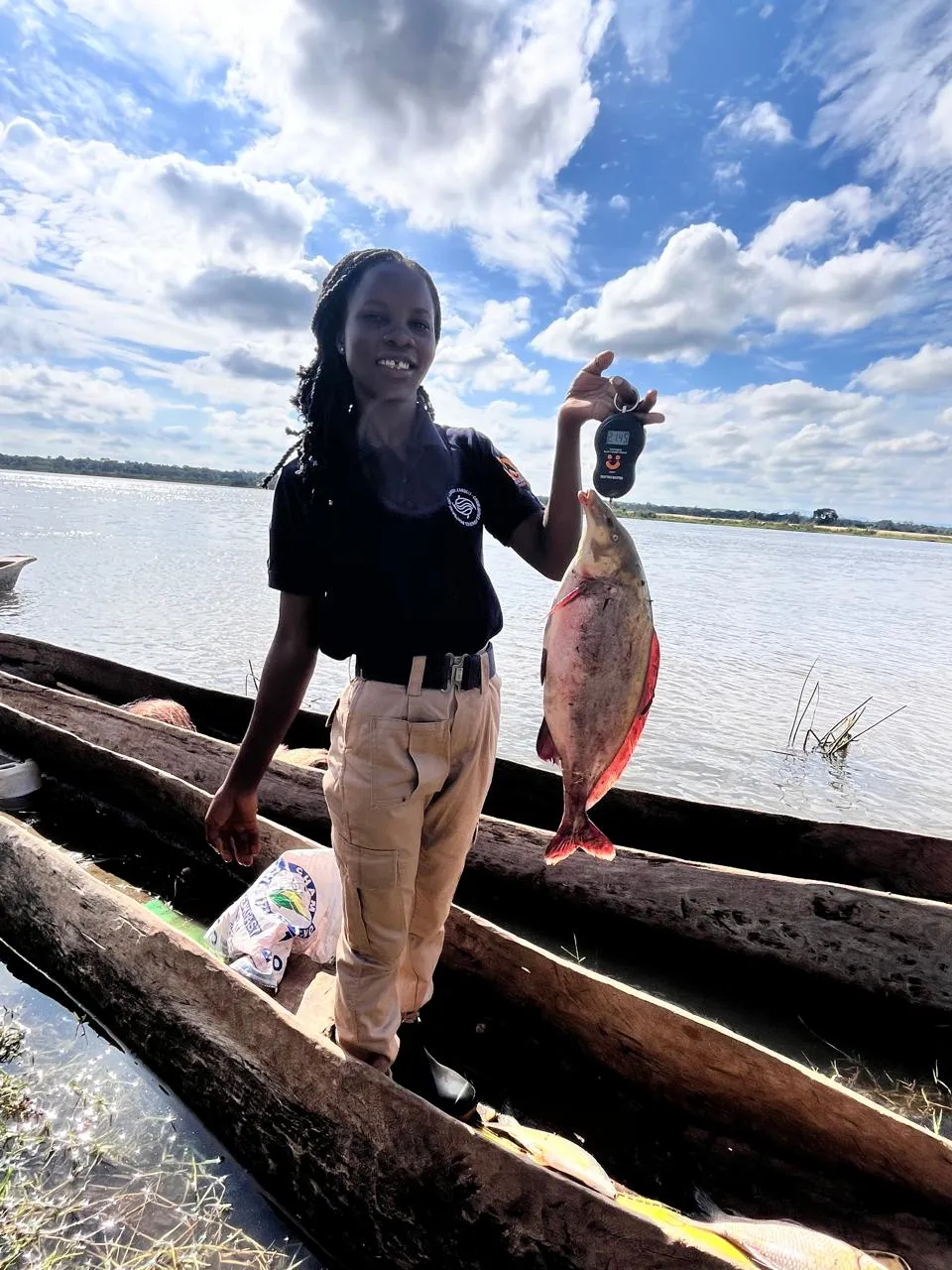
The objectives are to protect the diversity of fish species essential to food security, strengthen economic resilience to climate change, and combat poverty by ensuring more equitable access to natural resources and the benefits of conservation.
By placing local communities at the heart of its work, "Entreprises Pro Nature" is responding to international recommendations for integrated territorial approaches and offering valuable lessons on how public actors, communities, and the private sector can collaborate for inclusive natural resource management.
With support from Conservation International, AFD, and FFEM, this initiative demonstrates that ecosystem conservation can become a real driver of social justice and sustainable development for the most vulnerable populations.
More info about the project
Sustainable Fishing in the Lower Zambezi Transboundary Conservation Area (Pro Nature)
The Pro Nature project aims to reconcile biodiversity conservation with socio-economic benefits for local communities through conservation agreements, particularly for sustainable fishing, in the Lowe...
- When ?
-
2022 - 2027
Status
In progress
- Theme
- Biodiversity, Aquatic ecosystems
- Location
- South Africa, Zambia
- Co-financiers
- Agence Française de Développement (AFD), Pêche durable dans la Zone Transfrontalière de Conservation du Bas-Zambèze (Pro Nature)