Share the page
World Wetlands Day: Essential ecosystems to preserve: Traditional knowledge, international commitments, and FFEM actions
Published on
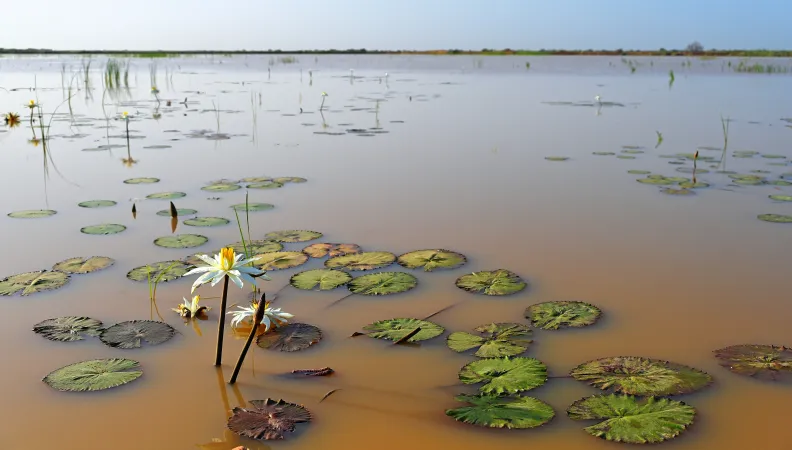
Every year on February 2, World Wetlands Day is celebrated to raise public awareness of the major issues related to these essential ecosystems. The theme for 2026 is “Wetlands and Traditional Knowledge: Celebrating Cultural Heritage,” highlighting the close link between these natural environments and the human communities that depend on them.
Beyond their fundamental role in biodiversity and sustainable natural resource management, wetlands constitute an exceptional natural, cultural, architectural, and economic heritage. Their preservation depends on multiple factors, including the traditional uses, practices, and knowledge of local populations. They are indeed essential for their ecological, social, and economic contributions to sustainable development.
In line with this momentum, the 15th Conference of the Contracting Parties to the Ramsar Convention, held in July 2025 in Victoria Falls, Zimbabwe, marked a key milestone by reaffirming the urgency of halting the loss and degradation of wetlands worldwide. The adoption of the new Ramsar Strategic Plan 2025-2034 places particular emphasis on integrated approaches combining science, innovation, international cooperation, and traditional knowledge, as well as the involvement of local communities. These guidelines fully echo the theme of the 2026 edition of World Wetlands Day, highlighting the central role of cultural heritage in the sustainable management of these ecosystems.
Wetlands: a natural heritage under pressure
In broad terms, wetlands are defined as land areas saturated with water or temporarily flooded. Vital to humans, they play a key role in water purification, flood control, and flood prevention.
They encompass a wide variety of freshwater, marine, and coastal ecosystems: lakes and rivers, marshes, wet meadows, peat bogs, oases, estuaries, deltas, mangroves and other coastal areas, coral reefs and all artificial sites such as aquaculture ponds, rice fields, reservoirs and salt marshes. Water is the determining factor that governs the plant and animal life that develops there.
According to the RAMSAR France Association, in 50 years, the extent of wetlands has decreased by 35% worldwide, at a rate three times higher than that of deforestation.
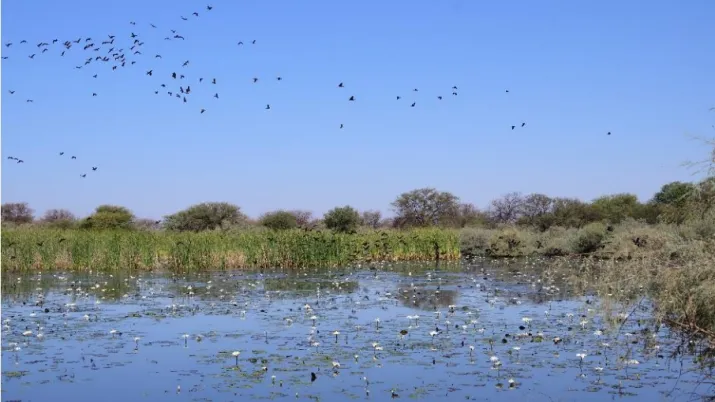
Subject to rapid and continuous degradation linked to climate change, population growth, and human activities, these areas—which are essential to the well-being of populations and nature—are under serious threat. This increased pressure directly affects biodiversity, particularly waterbirds and migratory species.
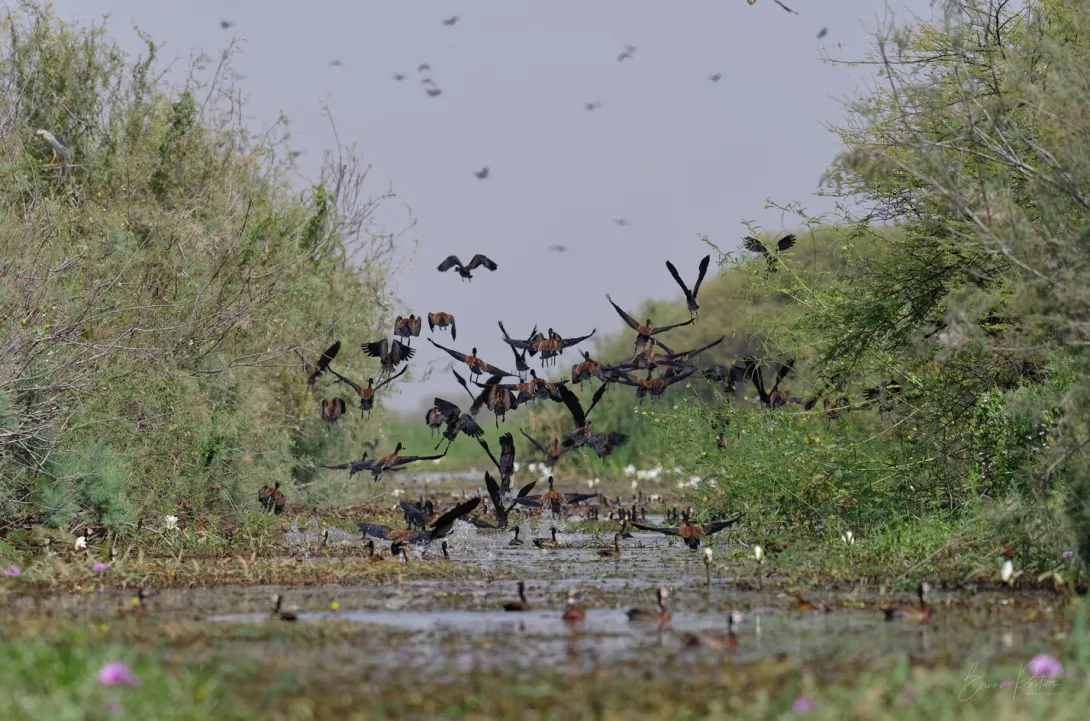
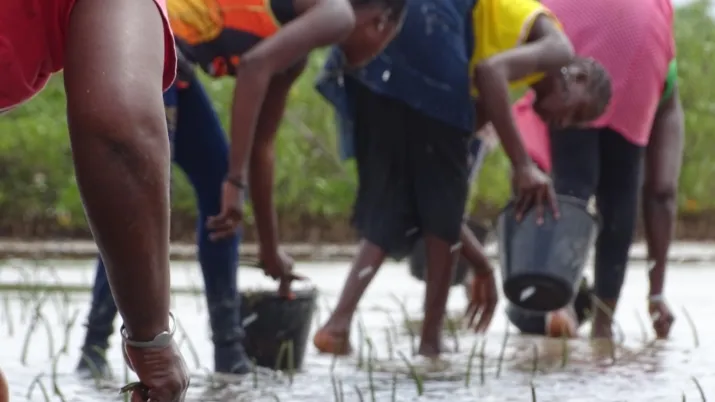
RESSOURCE+ embodies the vision of the FFEM: to support integrated approaches (ecological, economic, and institutional) combining biodiversity protection and sustainable natural resource management, by and for local communities. By acting on Sahelian wetlands, this project contributes to the conservation of habitats essential to migratory birdlife and is in line with France’s international commitments on biodiversity, in particular the RAMSAR Convention on Wetlands and the AEWA Convention on African-Eurasian Migratory Waterbirds
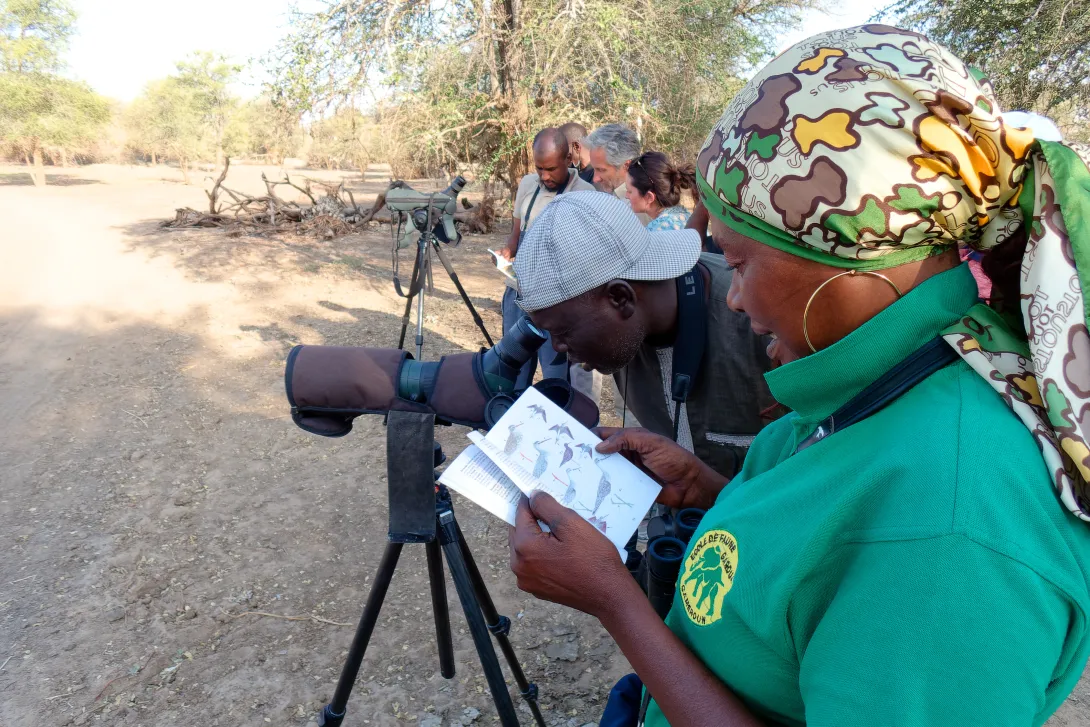
Innovation at the heart of FFEM: Waterfowl resources
As part of its commitment to protecting wetlands, FFEM has been supporting projects for several years, particularly in the Sahel-Saharan region, an area rich in biodiversity but particularly vulnerable.
Through the RESSOURCE project, the FFEM was one of the first to take a specific interest in waterfowl resources in the wetlands of the Sahel, which had been little studied until then and where waterfowl populations are in decline.
This innovative project aims to:
- Protect waterbirds and reconcile conservation with food security for local populations;
- Develop a better understanding of the spatial and temporal dynamics of waterbirds and their use, in order to ensure that bird populations are harvested sustainably and to better manage the wetlands that constitute their habitat. This will enable better definition of public policies for monitoring and conserving wetland biodiversity.
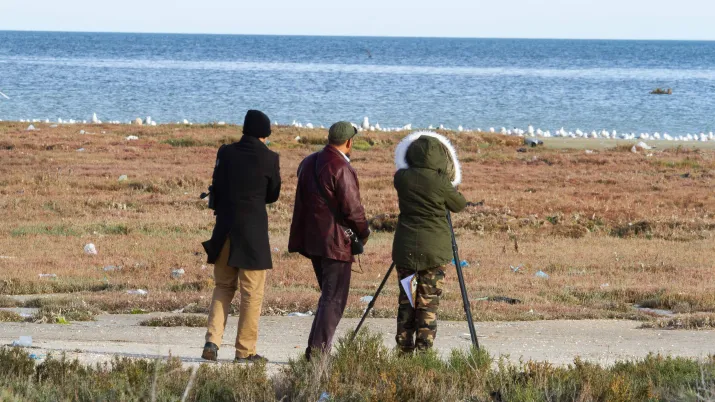
This project is the first to provide for the use of a standardized counting methodology across all the sites concerned, as well as the scheduling of simultaneous and coordinated surveys across all major wetland areas of the Sahel.
A second phase (RESSOURCE+), launched in 2025, aimed to test and harmonize, at the scale of several countries in the region, a single, multidisciplinary and multi-partnership approach, articulating actions at the local, national, and international levels.
Within this framework, the 60th International Waterbird Census (IWC) was held from 11 to 17 January 2026, contributing to the consolidation and implementation of this second phase of the project, as well as to the monitoring of the activities of technical operators.
The IWC is initiated and coordinated by Wetlands International. It is a global effort aimed at monitoring waterbird populations and better assessing the status of wetlands at a global scale.
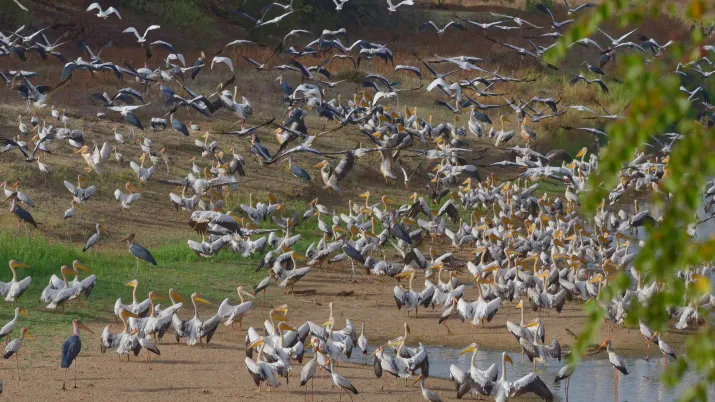
In light of the commitments reaffirmed at COP15 of the Ramsar Convention, and at a time when wetlands are disappearing at an alarming rate, their protection appears more than ever as a collective priority, calling for strengthened mobilization of public authorities, scientists, and local communities. Protecting wetlands means preserving a living heritage that is essential to ecosystem balance and to the well-being of present and future generations.
The number of waterbirds declined by approximately 40% in the major wetlands of the Sahel between 1960 and 2000
Learn more about phase 1 of the project
RESSOURCE : Protecting Waterbirds in the Major Sahelian Wetland Areas
A range of pressures in the Sahel-Saharan region have disrupted the functioning of the Sahel’s large, biodiversity-rich wetlands. To improve the management of natural resources, particularly waterbird...
- When ?
-
2016 - 2020
Status
Completed
- Theme
- Biodiversity
- Location
- Ethiopia, Mauritania, Chad, South Sudan
- Co-financiers
- Centre de coopération internationale en recherche agronomique pour le développement (CIRAD), Contreparties nationales, ONCFS, Secrétariat AEWA, Union Européenne (UE), Organisation des Nations unies pour l’alimentation et l’agriculture (FAO)
Discover our projects
Strengthening Community Resilience to Environmental Vulnerabilities in the Sine Saloum Delta
In progress
2023 - 2027
Zoom on our news
A LOOK AT THE INNOVATIVE NATURE OF ‘PROJECT RESSOURCE’ WITH CONSTANCE CORBIER-BARTHAUX
Published on October 28, 2019

World Wetlands Day: A Look Back at Biodiversity Protection in the Mediterranean Region
Published on February 3, 2025