Share the page
FFEM and Desertification: From Local Innovation to Global Solutions
Published on
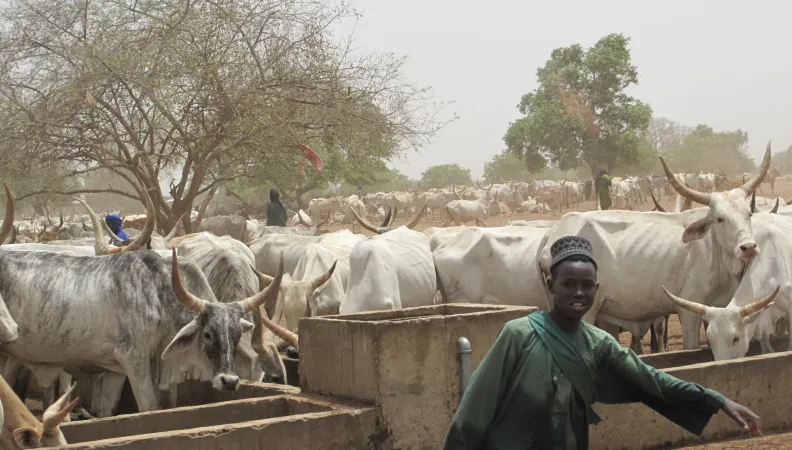
How can local initiatives be transformed into global solutions to address desertification?
Desertification is advancing in many regions of the world, driven by the combined effects of climate change and increasing pressure on natural resources. This phenomenon, which results in long-term land degradation, weakens ecosystems and the livelihoods of millions of people.
As the international Desertif’actions Summit takes place from March 25 to 28, 2026, in Djerba, Tunisia, global mobilization is intensifying. In this context, the French Facility for Global Environment (FFEM) has been actively supporting concrete, field-based projects for several years.
A global challenge requiring collective responses
Climate change is disrupting rainfall patterns and increasing soil vulnerability. At the same time, certain human practices—such as deforestation, intensive agriculture, overgrazing, and overexploitation of natural resources—are exacerbating land degradation.
In response to these pressures, solutions exist: sustainable agricultural practices, ecosystem restoration, and collaborative resource management.
The 2026 Desertif’actions Summit is part of this momentum, bringing together scientists, NGOs, local authorities, farmers’ organizations, and institutions to share experiences, strengthen cooperation, and inform decisions ahead of COP17, scheduled to take place in Mongolia in August 2026.
Within this global mobilization, the FFEM plays a key role by supporting concrete initiatives that demonstrate that effective solutions already exist on the ground.
In Africa: strengthening the resilience of agropastoral territories
The FFEM prioritizes projects co-designed with local stakeholders to provide solutions tailored to on-the-ground realities.
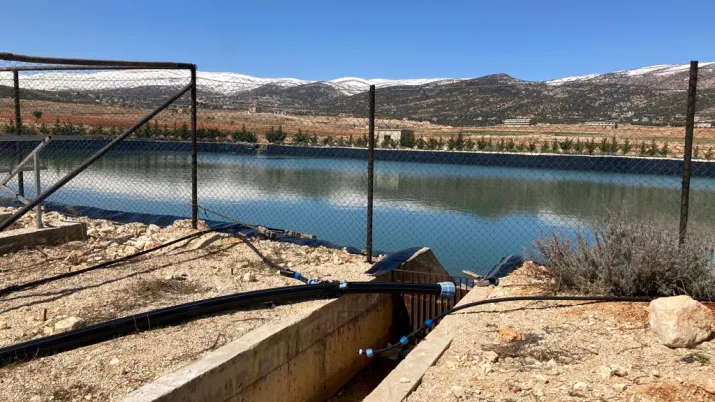
The SupMed project in Egypt (and Lebanon), currently in its completion and knowledge capitalization phase, has helped reduce water pressure while improving agricultural incomes through more sustainable irrigation practices and agroecological solutions.
450 farmers
have joined the charter by signing a voluntary commitment to adaptation practices in Egypt.
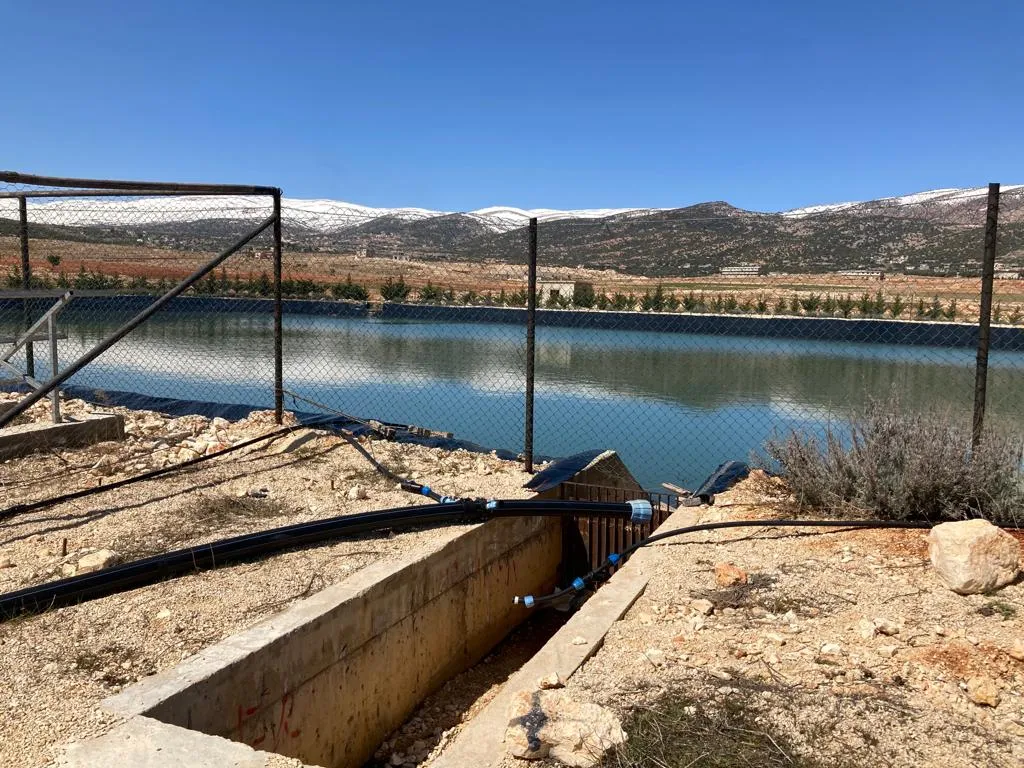
The SupMed project is a remarkable example of promoting agroecological practices that value farmers’ knowledge and expertise, while delivering results that combine research-driven innovation with beneficiaries’ traditional practices, with the strategic goal of scaling up,

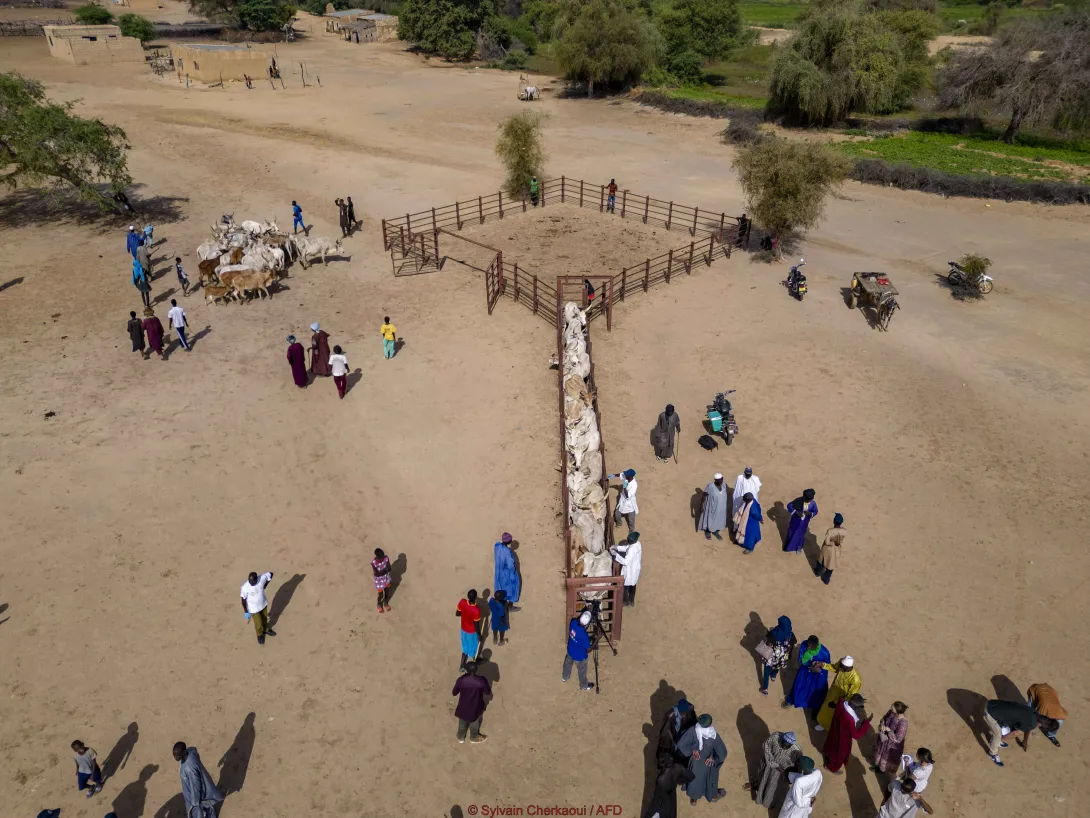
In the Sahel, the “Dundi Ferlo” project, launched in 2023, follows this approach. It is based on collaborative management of agropastoral resources and active involvement of local communities, with the aim of preserving ecosystems and reducing land-use conflicts in particularly vulnerable areas.
In Mongolia: reconciling economy and sustainability
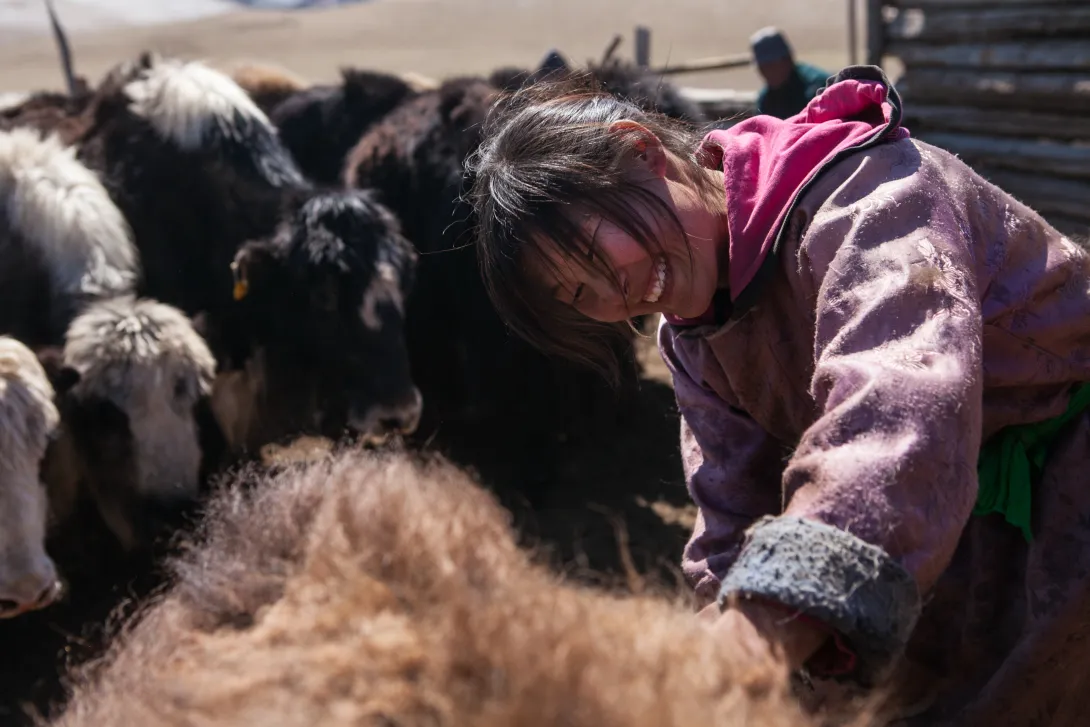
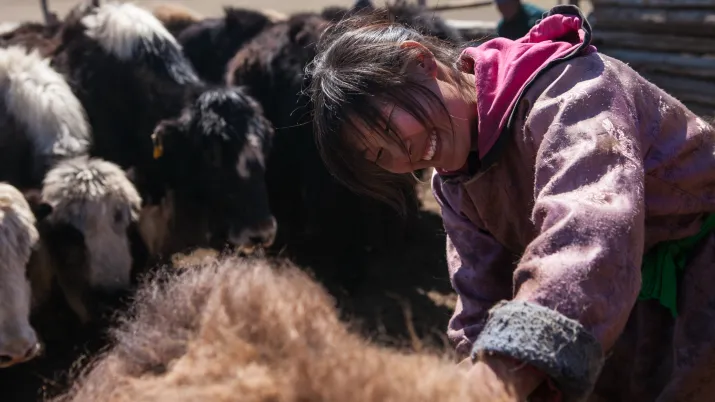
In Mongolia, steppe ecosystems are being weakened by the combined effects of climate change and economic transformations. The growing demand for cashmere has led to an increase in herd sizes, putting additional pressure on pastures and contributing to land degradation.
The now-completed “Sustainable Cashmere” project helped structure a more responsible value chain by improving livestock practices.
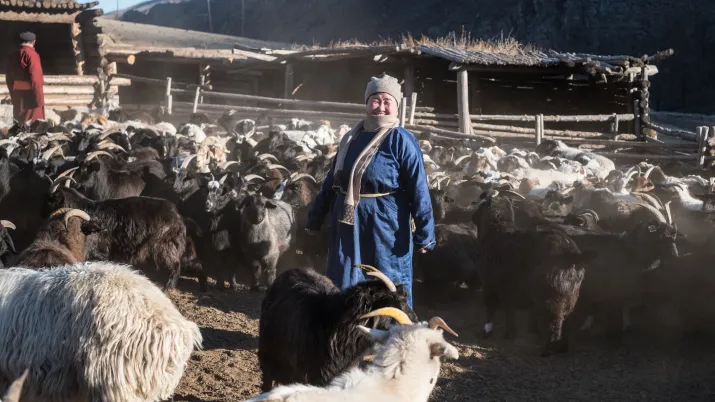
Building on this momentum, the recently launched “Nomads for Life” project supports the transition of nomadic lifestyles toward more sustainable practices adapted to climate change.
These initiatives illustrate the FFEM’s ability to take long-term action, building on past achievements to support more structural transformations.
Towards COP17 Desertification 2026 in Mongolia
COP17 on combating desertification, scheduled for August 2026 in Mongolia, represents a key milestone for accelerating international mobilization and financing sustainable solutions.
Projects supported by the FFEM demonstrate that it is possible to move from local innovation to large-scale solutions.
In the face of urgency, collective mobilization of all stakeholders will be essential to transform these initiatives into lasting drivers of territorial resilience.
Coup de projecteur sur le projet NOMADS FOR LIFE récemment lancé
Sustainable transition of semi-nomadic pastoralism in Mongolia
Supporting the transition of Mongolian semi-nomadic livestock farming systems towards greater environmental, social and economic resilience and sustainability. To achieve this, the Nomads For Life (N4...
- When ?
-
2026 - 2030
Status
In progress
- Theme
- Forests & farmland
- Location
- Mongolia
- Co-financiers
- Union Européenne (UE), Agronomes & vétérinaires sans frontières (AVSF), Centre de coopération internationale en recherche agronomique pour le développement (CIRAD)
Zoom on the other projects mentioned in the article
Our latest news
When Forests Inspire the Future of Agriculture Through Agroforestry: A Winning Partnership Between Agricultur...
Published on March 20, 2026
A First for Fisheries Co-management: Celebrating the Inaugural Fisheries Management Areas in Zambia
Published on March 19, 2026
When energy innovation brings lasting change to regions
Published on March 4, 2026