Share the page

For a sustainable management of plastics in Laos (Plastic SMART)
Project

-
Project start date
-
Status
In progress
-
Estimated date of project termination
-
-
Project financing date
-
-
Financing duration
-
5 years
-
Type of program
-
FFEM
-
Global financing amount
-
€ 11 817 000
-
FFEM financing amount
-
€ 2 000 000
-
Project lead member institution(s)
-
French Ministry for Europe and Foreign Affairs, French Ministry of the Ecological Transition
-
Type of financing
-
Partners
-
Global Environment Facility (GEF), NGO Plan International France, Swisscontact
-
Beneficiaries
-
WWF
-
Type of beneficiary
-
NGO, Foundation




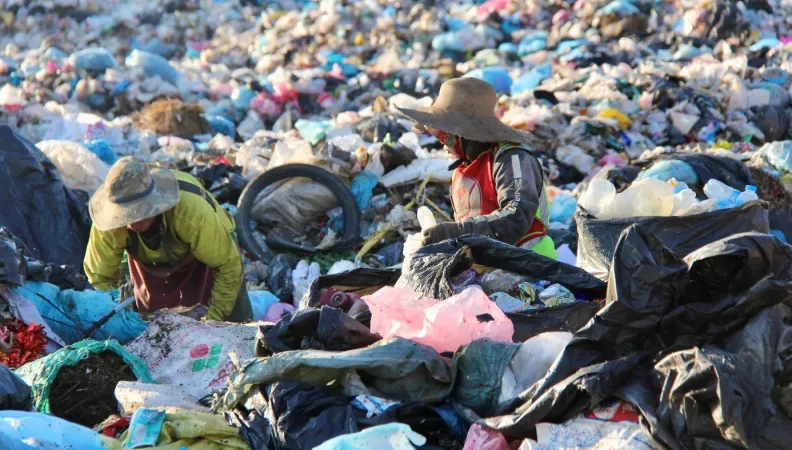
The Plastic-SMART Laos project aims to make the country economical with plastic. It combines upstream actions to reduce plastic pollution and the amount of waste generated at the source, and downstream actions aimed at improving the way generated waste is sorted, collected and recycled. By adopting this systemic and integrated approach, the project contributes to environmental and health protection as well as sustainable local development in Laos.
Context
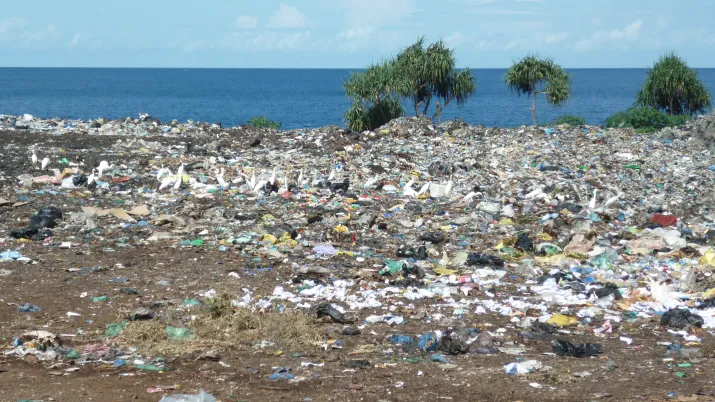
Laos is a landlocked country in Southeast Asia. In recent decades, it has experienced significant economic development, accompanied by strong population growth, rapid urbanization and an increase in tourist traffic. Consequently, waste production more than doubled between 2015 and 2020, particularly plastic waste, posing serious environmental and health problems.
Description
- Reduce the use of single-use plastics (PUU) in the tourism, hospitality and catering sectors.
- Accompany economic actors towards more responsible consumption and waste management practices.
- Facilitate the adoption of a regulatory framework conducive to reducing plastic pollution and developing and adopting sustainable alternatives.
- Deploy local decentralized waste collection models in peri-urban areas.
- Strengthen awareness, knowledge dissemination and national coordination on plastic pollution.
Results and expected outcomes
- Improve the environment and public health by sustainably reducing plastic pollution.
- Strengthen local and national policies to encourage the reduction of UPU and the adoption of sustainable alternatives.
- Support local companies in the production and marketing of responsible plastic solutions.
- Support Hotels, Restaurants and Tourism (HRT) establishments and communities in reducing the use of plastic and adopting better waste management practices.
- Raise widespread public awareness through communication campaigns and knowledge-sharing tools.
Innovative and exemplary features
The program is distinguished by its innovative approach, both strategic and operational. He adopts a systemic vision to rethink the management of plastics in Laos. An Eco-Challenge will be launched to support local businesses in developing sustainable alternatives to single-use plastics. The proposed approach for decentralized waste management in peri-urban areas also innovates by combining awareness campaigns with marketing approaches to encourage residents to subscribe to collection services. Finally, the program will apply a participatory approach to co-design, with local communities and businesses, the collection service plans that will be intended for them.
Sustainable Development Goals
ODD11 Sustainable cities and communities
ODD12 Responsible consumption and production
ODD13 Climate action
ODD14 Life below water
ODD17 Partnerships for the goals
Our initiatives for sustainable waste management and a circular economy
Related news
“The Plast’ile project aims to have a global impact for ecosystems and populations alike”: interview wit...
Published on February 7, 2022