Share the page

A One Health approach to reducing agricultural pollution in Senegal (Thiellal 2)
Project
Published on

-
Project start date
-
Status
In progress
-
Estimated date of project termination
-
-
Project financing date
-
-
Financing duration
-
3 years
-
Type of program
-
FFEM
-
Global financing amount
-
€ 2 630 213
-
FFEM financing amount
-
€ 1 315 000
-
Project lead member institution(s)
-
Ministry of Agriculture and Food sovereignty
-
Country and region
-
Senegal
-
Type of financing
-
Partners
-
Beneficiaries
-
AVSF
-
Type of beneficiary
-
NGO, Foundation




Reducing the misuse of pesticides and veterinary products in Vélingara and Kédougou and improving the management of waste from family farms in order to protect human and animal health and ecosystems using a One Health approach.
Context
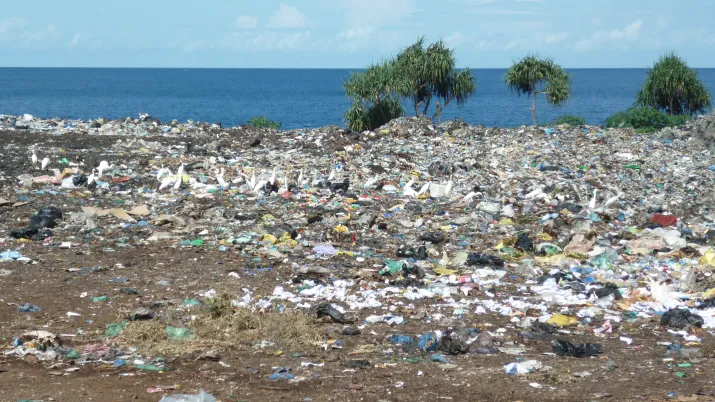
In Vélingara and Kédougou, the use of pesticides (cotton, cereals, food crops, market gardening) and veterinary products is increasing sharply. Users have little training and are insufficiently aware of the health and environmental risks, while waste and packaging management remains uncontrolled. Thiellal II extends the work of Thiellal I in Vélingara and expands the model to Kédougou, while also introducing an innovative component for waste management, an issue not addressed by local authorities.
Description
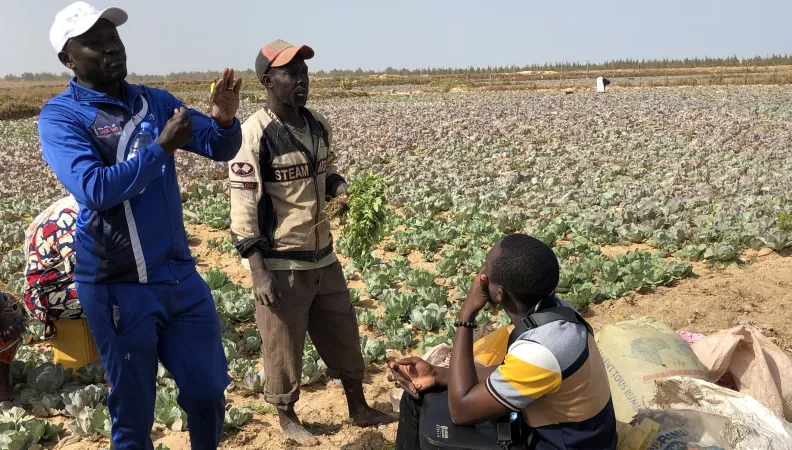
- Raise awareness and train farmers about risks and agroecological alternatives.
- Generate knowledge (studies and assessments with CIRAD).
- Implement waste management mechanisms (packaging, organic waste recovery).
- Strengthen local One Health governance and integration into local authority policies.
- Ensure monitoring, evaluation and dissemination of results to support advocacy and scaling up.
Results and expected outcomes
- 120,000 people reached (50% women, 60% young people); 60% of farmers adopt reduction techniques.
- 20% reduction in untreated waste; 2 functional collection systems per department.
- One Health bodies strengthened; 60% of municipalities incorporating the OH theme.
- Baseline studies disseminated (water/soil/food contamination, list of chemicals used).
Innovative and exemplary features
The innovative nature of the proposal lies in its territorial, participatory and systemic approach, which is still relatively untried in Mongolia and constitutes a relevant way of supporting the transition sought by the authorities at local and national level. The innovation also lies in the partnership between research institutes, livestock farmers and their organisations, and national and international NGOs, which aims to leverage the skills and networks of each party. Finally, it is based on targeted technical experiments tailored to the challenges faced by the territories, in particular actions to regenerate pastures.
Sustainable Development Goals
ODD3 Good health and well-being
ODD6 Clean water and sanitation
ODD12 Responsible consumption and production
ODD15 Life on land
Learn more about our projects
Use of plastics and waste management to benefit the environment in Costa Rica
In progress
2022 - 2027