Share the page
In the face of desertification and drought, innovating on the ground to build the solutions of tomorrow
Published on
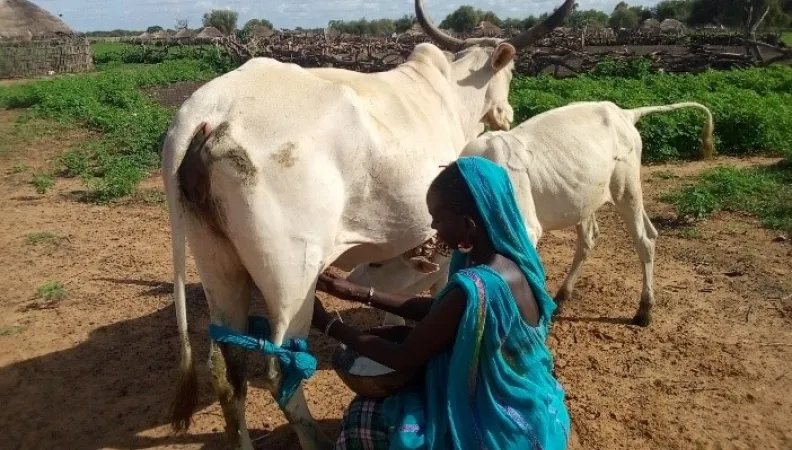
The theme for the 2026 World Day to Combat Desertification and Drought is “Pastoral Landscapes: Recognize, Respect, Restore.” Hosted by Kenya, a country where pastures cover approximately 80% of the land and support millions of people (UN), this year’s event highlights the essential role of pastoral areas in food security, biodiversity conservation, and climate resilience.
As land degradation and droughts intensify due to climate change, the conclusions of the 2026 Désertif’actions International Summit are clear: there is an urgent need to strengthen cooperation and accelerate the implementation of concrete solutions tailored to local conditions.
This is precisely the approach supported by the French Facility for Global Environment (FFEM) and its partners through projects carried out in Africa, Asia, Latin America, and the Mediterranean. From the restoration of Namibian savannas to the sustainable management of pastoral lands in Senegal, from the co-development of solutions with nomadic herders in Mongolia to the adaptation of Mediterranean agricultural systems to water stress, these initiatives demonstrate that by drawing on local knowledge, innovation, and cooperation among stakeholders, it is possible to restore land, strengthen community resilience, and develop solutions that can be replicated on a larger scale.
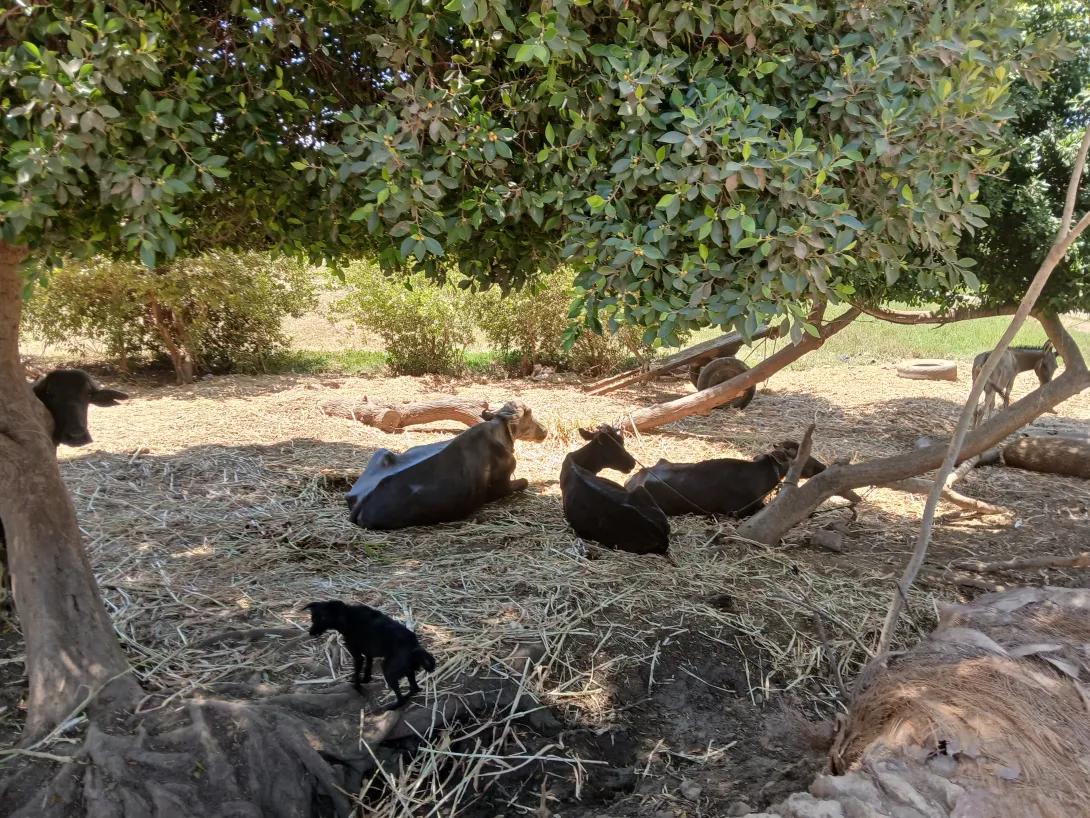
Southern Africa and the Sahel: Restoring Land and Generating Climate-Energy Co-Benefits
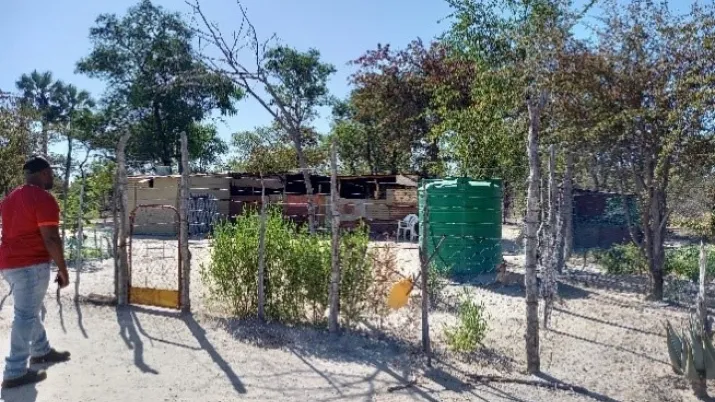
In Namibia, more than 60 million hectares of savanna are affected by bush encroachment. This phenomenon reduces the area available for grazing, degrades ecosystems, and undermines livestock farming.
The OBPS (Otjikoto Biomass Power Station) project offers an innovative solution that combines the restoration of degraded land, the energy transition, and local development. Supported by the FFEM with a grant of 3 million euros, it supports the establishment of a 40 MW biomass power plant fueled by residues from the sustainable thinning of the bush. Its objectives are to:
- Restore pastures and biodiversity;
- Improve soil fertility;
- Strengthen resilience to drought;
- Create sustainable jobs within a certified biomass sector;
- Contribute to the country’s energy independence.
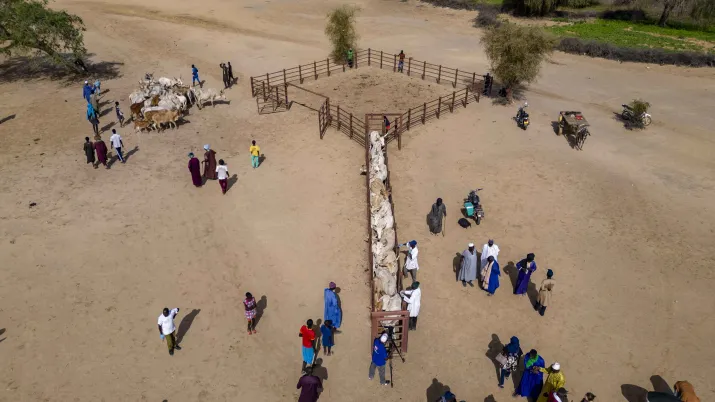
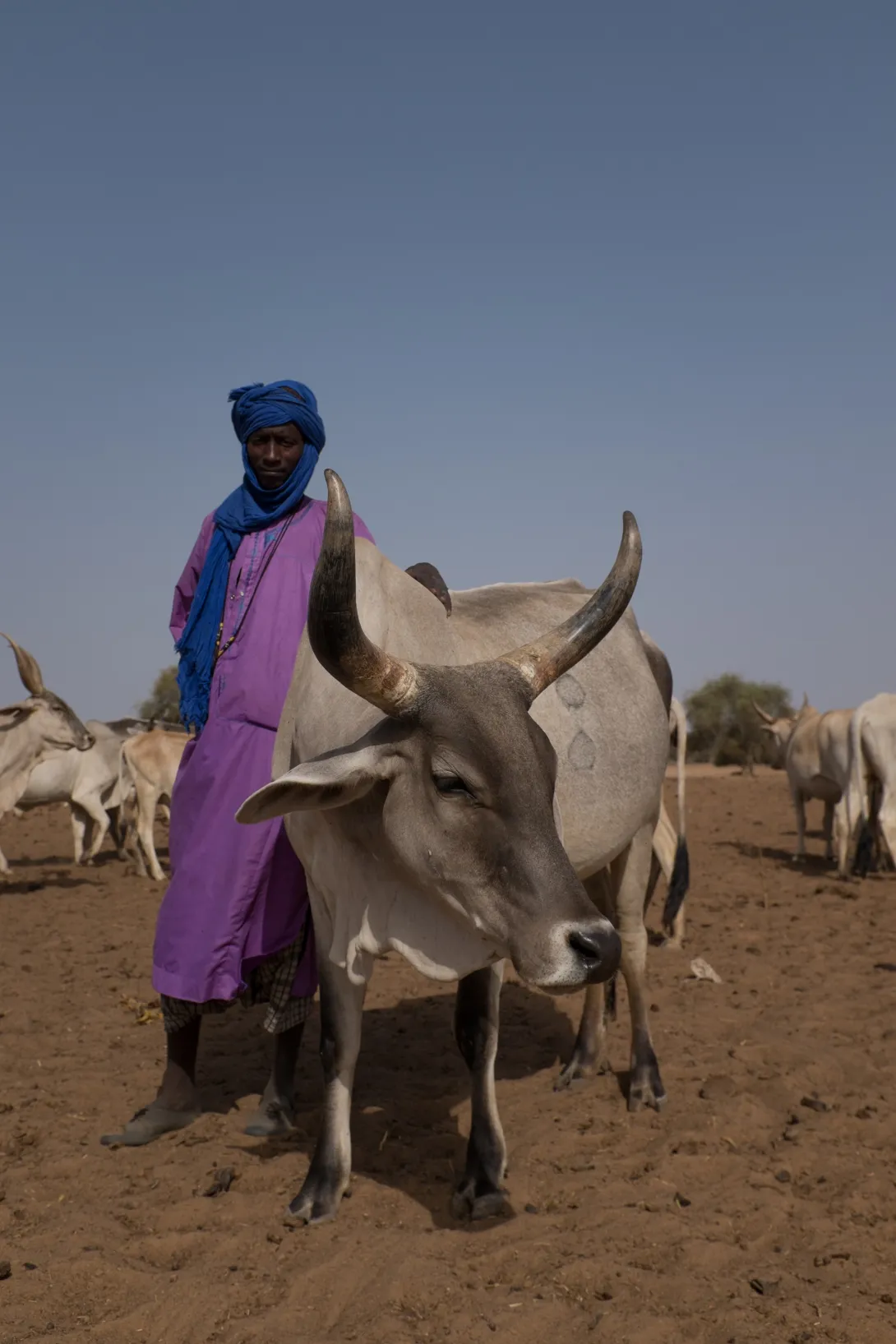
In Senegal, in the Ferlo sylvopastoral zone—heavily affected by desertification—the Dundi Ferlo project places pastoralist communities at the heart of natural resource governance. It supports the restoration of 1,000 hectares of degraded land, strengthens the resilience of herders, and supports the utilization of non-timber forest products to improve local incomes. This approach helps to test innovative and replicable solutions to strengthen the resilience of Sahelian regions.
Central Asia: Collaborating with herders, local communities, and researchers to develop sustainable pastoral solutions
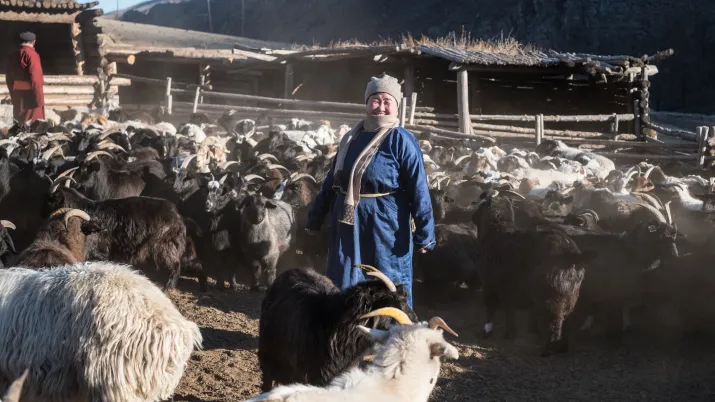
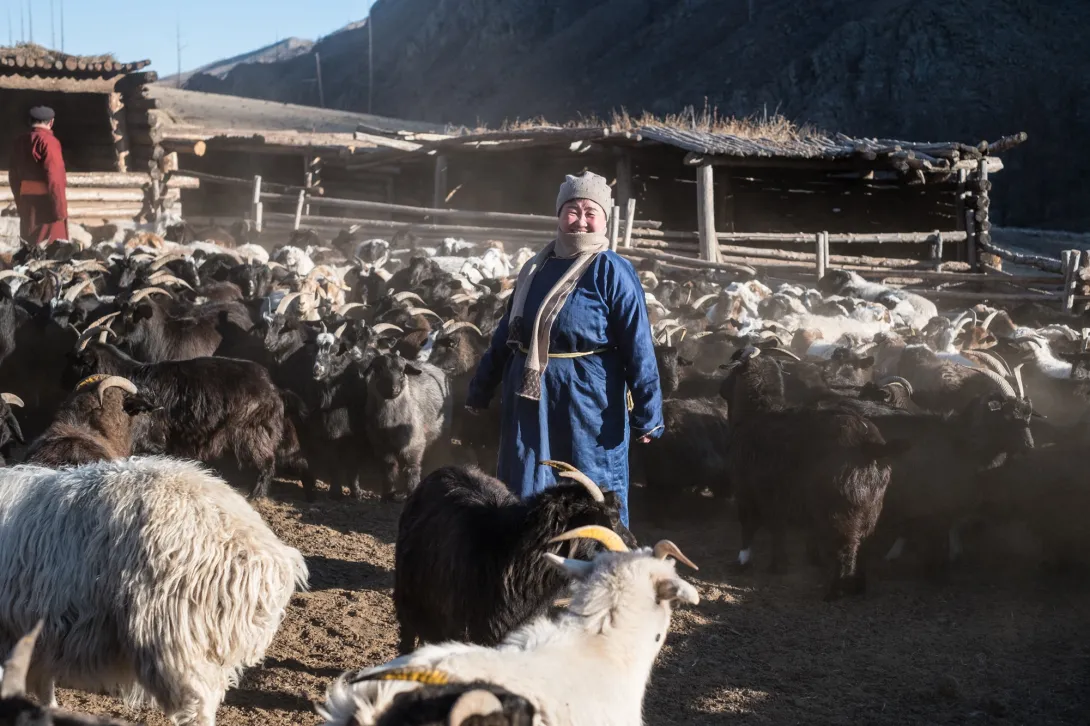
In response to the degradation of pastures and the growing impacts of climate change, the Nomads for Life project relies on regional collaboration among public, private, and community stakeholders, the strengthening of herders’ cooperatives, action research, and advocacy to improve the management of pastoral resources and diversify the income sources of local communities. In particular, it aims to strengthen the resilience of more than 6,000 people from herding families and to promote sustainable pastoralism practices at the local and national levels.
« Les projets Dundi Ferlo et Nomads for Life constituent des exemples remarquables de gestion durable des terres et des ressources pastorales. En valorisant les savoir-faire des éleveurs pastoraux, l’innovation locale et la participation des acteurs des communautés, ils produisent des résultats concrets et adaptés pour lutter contre la désertification et la sécheresse. À l’approche de la prochaine COP Désertification, ces initiatives soutenues par le FFEM rappellent l’importance d’investir dans des approches portées et ancrées dans les territoires et avec des acteurs locaux, capables de transformer ensuite des expériences locales en réponses globales aux défis environnementaux de demain. »

South America: Preserving Grasslands and Biodiversity in the Face of Land Degradation
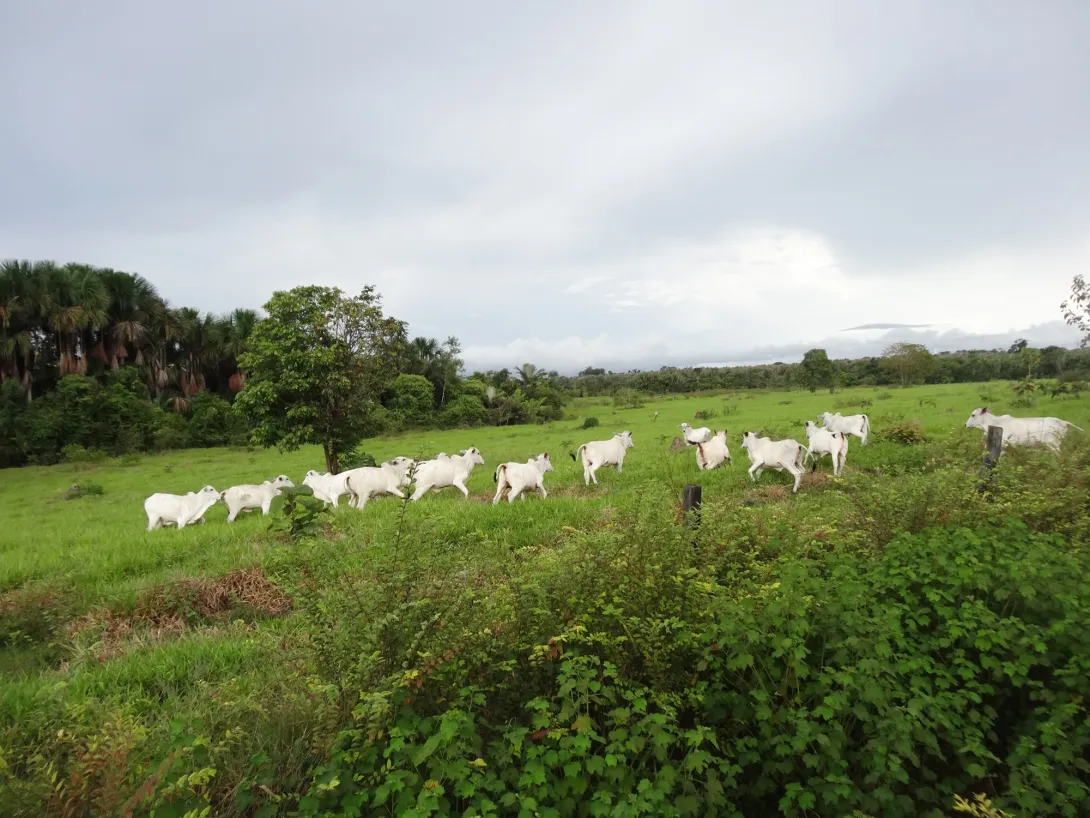
In Brazil, the Allianza project supports the transition to production models that balance biodiversity conservation, ecosystem resilience, and the economic viability of livestock farms facing the expansion of agricultural monocultures.
By improving access to financing, promoting best practices, and fostering participatory governance, the project helps preserve ecosystems that are essential for soil health, water regulation, and resilience to droughts. It demonstrates that the fight against land degradation can be supported by innovative production models that balance landscape conservation, local development, and adaptation to climate change.
Mediterranean: Using agroecology and water management as bulwarks against desertification
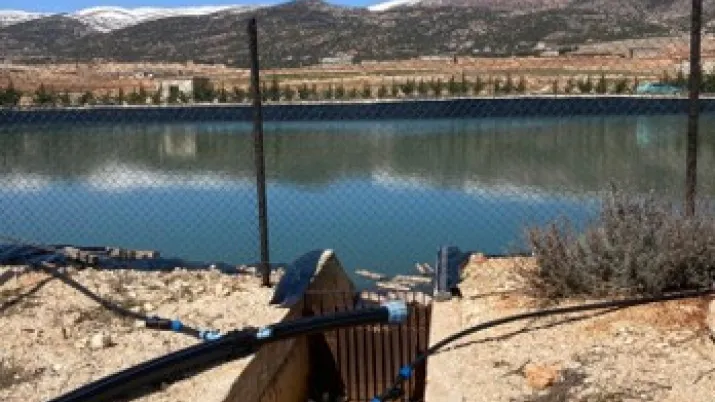
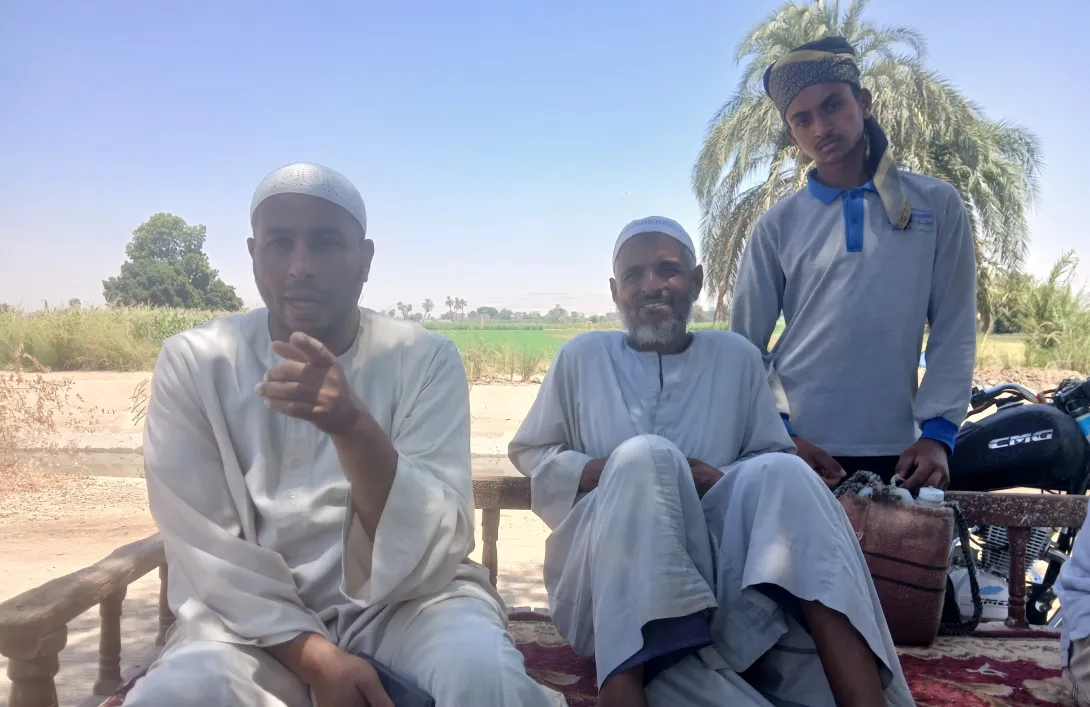
Implemented in Lebanon and Egypt, the SupMed project has supported farmers in adopting agroecological practices and more efficient irrigation solutions to strengthen their resilience to climate change, water stress, and the risks of desertification.
The results achieved are significant: gross margin gains of up to 34% in Lebanon and 93% in Egypt, as well as a reduction in water withdrawals of up to 80% in certain areas. By promoting innovation, knowledge transfer, and cooperation among local stakeholders, public institutions, and research centers, the project demonstrates that the agroecological transition is an effective lever for preserving water resources and strengthening the sustainability of Mediterranean agricultural systems.
Looking Ahead to COP17: Field Experiences to Inform International Action
The 17th session of the Conference of the Parties (COP17) to the United Nations Convention to Combat Desertification (UNCCD) will be held in Ulaanbaatar, Mongolia, from August 17 to 28, 2026, under the theme “Restoring Land. Restoring Hope. ”
On this occasion, the FFEM, together with its partners, reaffirms its commitment to sustainable land management and the resilience of communities facing drought. From the Namibian savannas to the pastoral lands of Ferlo, from the Mongolian steppes to the Mediterranean regions and the grasslands of the Pampas, the supported projects demonstrate that concrete, innovative, and replicable solutions exist to restore degraded ecosystems while improving living conditions for local populations. These field experiences will inform discussions at the upcoming COP and help foster ambitious responses to the growing challenges of desertification and climate change.