Share the page
Montreal Protocol: the FFEM committed to the ozone layer and sustainable cooling
Published on
On the occasion of World Ozone Day, 16 September, the FFEM looks back at one of the great successes of international environmental cooperation: the Montreal Protocol. Nearly forty years after its adoption, this universal agreement continues to protect the ozone layer while contributing, with the Kigali Amendment, to the fight against climate change. Alongside the Montreal Protocol’s Multilateral Fund, the FFEM supports this dynamic by supporting projects in developing countries and innovative solutions for more sustainable cooling.
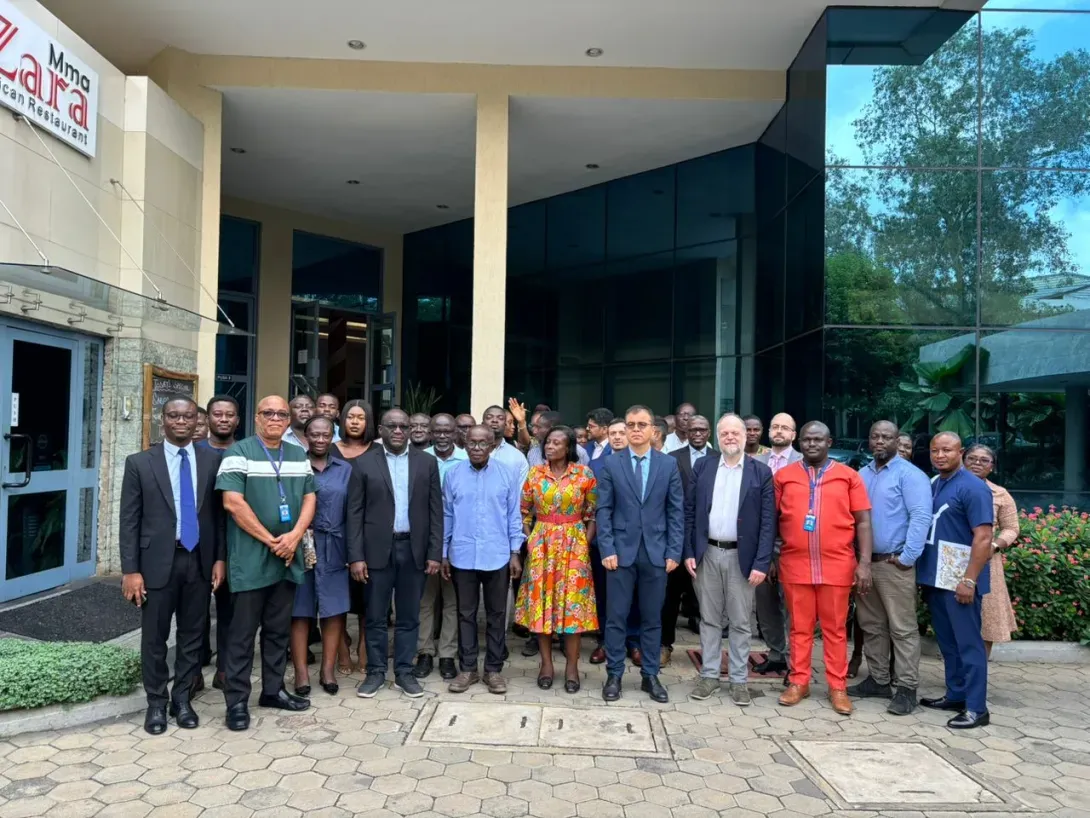
Adopted in 1987 and entered into force in 1989, the Montreal Protocol is the first international environmental agreement to achieve universal ratification. It organizes the gradual reduction of substances responsible for ozone depletion.
This international mobilization is bearing fruit: the ozone layer is now on the road to recovery. It illustrates the capacity of coordinated international action, based on science and accompanied by dedicated financial resources, to produce environmental results on a global scale.
To support developing countries in implementing their commitments, the Protocol relies on the Multilateral Fund of the Montreal Protocol (MLF). For the 2024-2026 period, this one has a budget of $965 million. France, the fourth largest historical contributor, contributed 36 million euros over this period.
Up to 20% of the French contribution may be spent on bilateral projects. In this context, the FFEM acts as a bilateral agency of France to support developing countries in implementing their obligations under the Montreal Protocol. The FFEM also provides technical support to French ministries: alongside the Directorate-General of the Treasury, it participates in the Executive Committee of the FMPM and contributes to the work of the interministerial team during the meetings of the Parties to the Montreal Protocol.
Nearly four decades after its adoption, the Montreal Protocol remains fully relevant. With the Kigali Amendment, adopted in 2016, its action has extended to the progressive reduction of hydrofluorocarbons (HFCs), widely used in refrigeration and air conditioning equipment, some of which have a strong global warming potential.
The challenge is now twofold: reducing the climate impact of refrigerants while limiting the increasing energy consumption related to cooling needs.
In addition to the activities funded by the WMPF, the FFEM thus supports an integrated approach to sustainable cooling. Its projects make it possible to act on several complementary levers: reducing cooling needs through passive solutions based in particular on building design, natural ventilation, shading or the use of materials adapted to the climate but also improving the energy efficiency of the equipment and promoting the use of natural fluids.
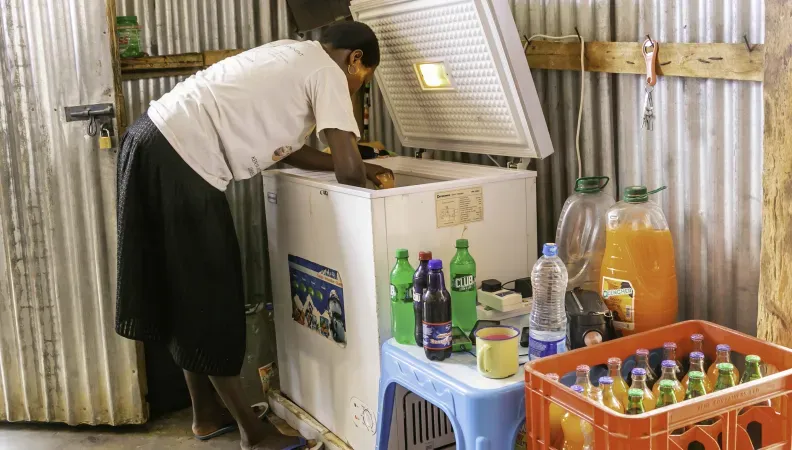
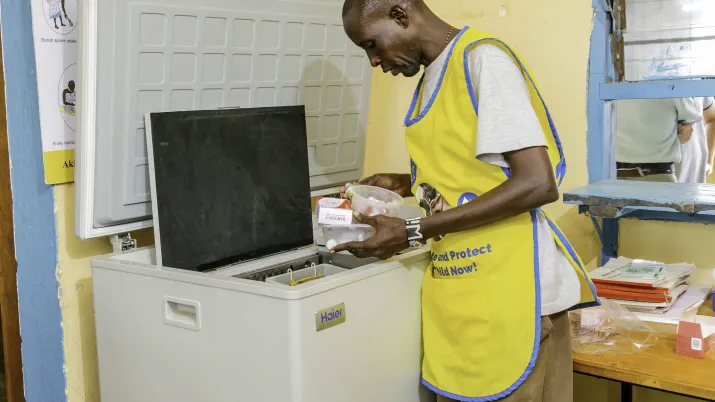
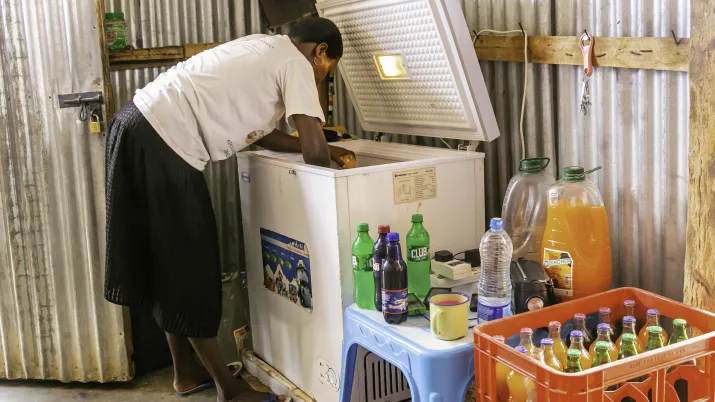
In Nigeria, for example, Koolboks is developing solar-powered refrigerators and freezers using natural refrigerants. The project proposes a cooling solution that is particularly suitable for populations and small businesses with little or no connection to the electricity grid, while limiting energy consumption and the use of high-climate-impact refrigerants.
In Ghana and Nigeria, the AGORA project operates on a different scale: that of the market for domestic refrigerators and air conditioners. It aims to accelerate its transformation by promoting the dissemination of more energy-efficient equipment using low climate impact refrigerants.
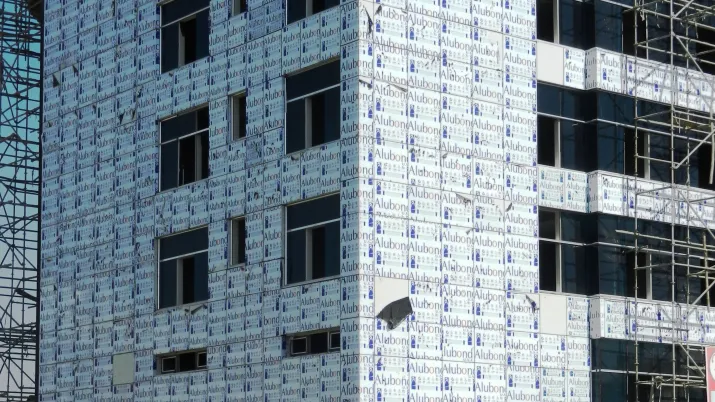
With PEEB Cool, the focus is more on buildings and reducing their cooling needs, combining climate-smart design with energy efficiency.
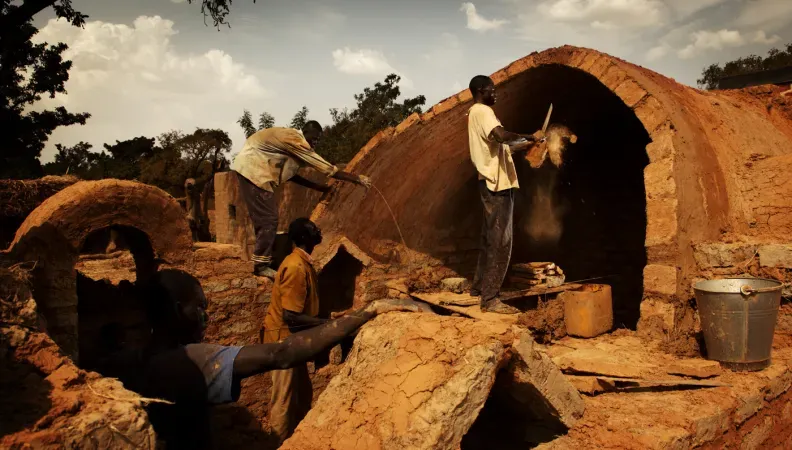
The approach developed by Voûte Nubienne illustrates the potential of passive solutions: by improving the thermal comfort of buildings, they make it possible to limit the use of air conditioning and thus the associated energy needs.
These complementary interventions allow the FFEM to create synergies with the actions supported by the FMPM and to experiment with solutions that can be replicated and deployed on a larger scale. More broadly, they place the issue of cold in an integrated approach combining climate, energy, health and pollution reduction.
A few words from Diane Menard, project manager for the theme Ozone, product life cycle, pollution and waste, FFEM

- The Montreal Protocol is often presented as a success of international cooperation. What is your assessment of the implementation of the Montreal Protocol?
The Protocol, which will celebrate its 40th anniversary next year, demonstrates that multilateralism makes it possible to respond effectively to major environmental issues. Thanks to the commitment of all Parties to its implementation and strong science – policy coordination, the ozone hole has been narrowing since the 2000s and it is anticipated that the ozone layer willabove Antarctica returns to its 1980s level by mid-2060 if the Parties continue to comply with their obligations.
- With the Kigali amendment, what are the new challenges, particularly in the refrigeration sector in developing countries?
The Kigali Amendment strengthened the climate dimension of the Protocol, complementing its historic action to preserve the ozone layer. Its implementation should prevent about 0.3-0.5 °C of warming by 2100. The first obligations for developing countries came into effect in 2024, and many implementation plans are now funded by the WMPC. The challenge is to adopt an integrated approach to the refrigeration sector: reduce the use of HFCs, improve the energy efficiency of equipment and buildings, and better take into account the management of end-of-life equipment and substances.
- What role does the FFEM play in the implementation of the Montreal Protocol and the Kigali Amendment? How do the projects supported by the FFEM translate these international commitments, particularly those from France, into concrete solutions on the ground?
The FFEM first operates as a bilateral agency of France within the framework of the Multilateral Fund of the Montreal Protocol. As such, it supports the implementation of projects that enable developing countries to meet their obligations. In addition, pilot projects supported by the FFEM make it possible to experiment with concrete solutions: passive building design, more energy-efficient equipment, use of natural refrigerants or even improved management of end-of-life equipment. The objective is to demonstrate their effectiveness in order to promote their replication and scaling up. This complementarity between the FMPM and FFEM funding makes it possible to address cold in a more comprehensive way, by linking protection of the ozone layer, climate, energy, health and pollution. Finally, the FFEM provides technical expertise to France in the bodies of the Protocol: it sits alongside the Directorate-General of the Treasury on the Executive Committee of the FMPM and contributes to interministerial work during the meetings of the Parties.
Nearly four decades after its adoption, the Montreal Protocol continues to demonstrate the power of collective action in tackling environmental challenges. Alongside its partners, the FFEM is now helping to maintain this momentum by supporting countries in meeting their commitments and experimenting with more sustainable cooling solutions, with the aim of facilitating their scaling up.