Share the page
COP17 Desertification: the FFEM mobilized to promote and share solutions for resilient territories
Published on
From August 17 to 28, 2026, the French Global Environment Facility (FFEM) is participating in the 17th Conference of the Parties (COP17) of the United Nations Convention to Combat Desertification (UNCCD), held in Ulaanbaatar, Mongolia, under the theme "Restoring the Earth. Restore hope".
Adopted in 1994, the UNCCD brings together all 197 Parties and a wide range of non-state actors around the interconnected issues of desertification, land degradation and drought. It has a central ambition: to achieve land degradation neutrality by 2030.
The first of the three COPs of the Rio Conventions scheduled for 2026, COP17 Desertification takes place in a particularly decisive context, marked notably by the International Year of Pastors and Herdsmen and the International Year of Women Farmers, which highlight the essential role of land and the people who depend on it.
France, which is participating for the first time as a Party affected by desertification, will be present through a national hub bringing together the expertise and know-how of its companies. In this context, the FFEM, represented by Emmanuelle Poirier-Magona, Project Manager for Land Degradation and Sustainable Agriculture, wishes to highlight the experience and solutions developed over more than 20 years in favor of sustainable land management and agroecological transition.
Under the combined effect of multiple factors - pressures from human activities, land misuse amplified by climate change, land degradation is accelerating, leading to significant increasing consequences on ecosystems and populations.
Some key figures:
- Land degradation affects up to 40% of the world’s land
- In Mongolia, the host country of COP17, nearly 77% of the land already degraded
COP17 aims to accelerate international mobilization by transforming commitments into concrete actions, notably through funding, partnerships, sharing solutions and the involvement of local stakeholders. Among the main themes addressed:
- Accelerate land restoration
- Building resilience to drought
- Highlighting pastoralism
- Mobilizing innovative financing for healthy land
- Mobilising the private sector around the Business for Land initiative
After a first week largely devoted to negotiations between states, COP17 will enter, from 24 August, in a new sequence, marked by high-level exchanges and greater visibility of the actors involved on the ground.
Une approche intégrée et territoriale
Faced with the convergence of land degradation, biodiversity loss, climate change and drought issues, the FFEM supports the experimentation of integrated solutions, notably based on nature, adapted to the realities of territories. Over the period 1994-2026, projects devoted to combating land degradation and desertification account for 12% of the FFEM project portfolio, reflecting the Fund’s commitment to these issues.
The FFEM defends an approach based on three convictions:
- Environmental issues are interdependent: land restoration, biodiversity, climate and water management must be addressed jointly to build sustainable responses.
- Solutions are built with the territories: communities, producers, local organizations, public actors, scientists and field partners are essential to their design, appropriation and sustainability.
- Experimentation must feed the change of scale: capitalizing on field experiences, documenting results and sharing knowledge helps to promote replication and evolution of practices.
3 issues in response to the COP17 priorities
Faced with land degradation, the priorities of COP17 find a concrete echo in the action of the FFEM, around 3 approaches:
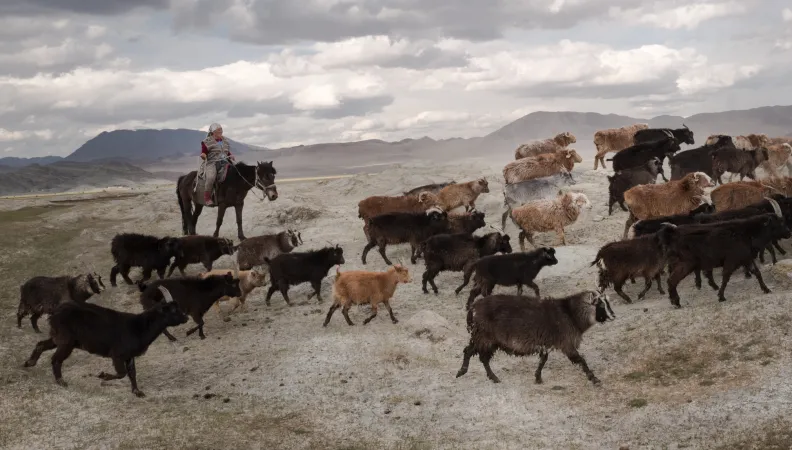
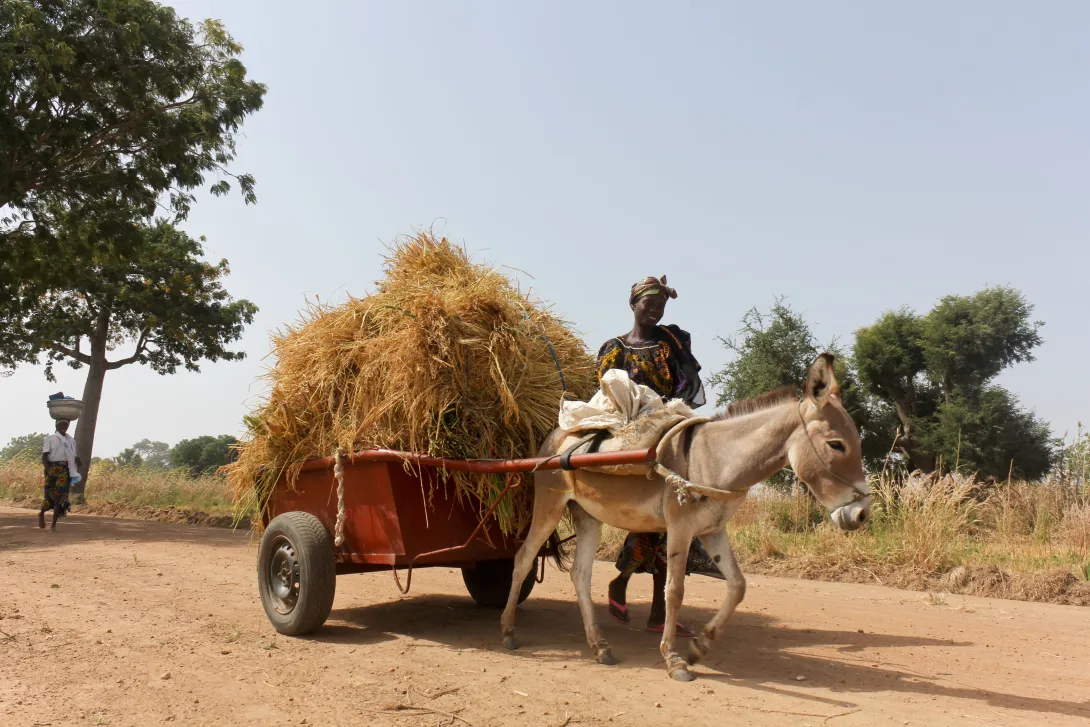
- Supporting sustainable pastoralism and the restoration of territories : Pastoral territories are at the heart of land restoration, biodiversity preservation and climate change adaptation issues. The FFEM supports approaches that combine sustainable management of pastures, adaptive capacities of pastoral communities and preservation of ecosystems.
In Senegal, the DUNDI FERLO project contributes to the sustainable management of agropastoral resources and the restoration of Ferlo lands, by placing communities and local actors at the heart of land management dynamics.
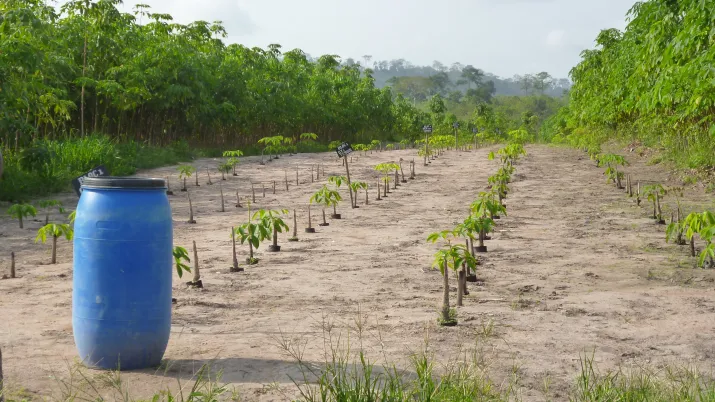
- Using agroecology as a tool for adaptation in dry areas : With the AVACLIM project, the FFEM promotes agroecology as a means of adapting to climate change in dry areas, in five African countries, as well as in India and Brazil.
The project focused in particular on documenting the performance of agroecological practices, structuring communities of practice and promoting the sharing of experiences, in order to raise awareness of the conditions for the success of these initiatives and contribute to their scaling up.
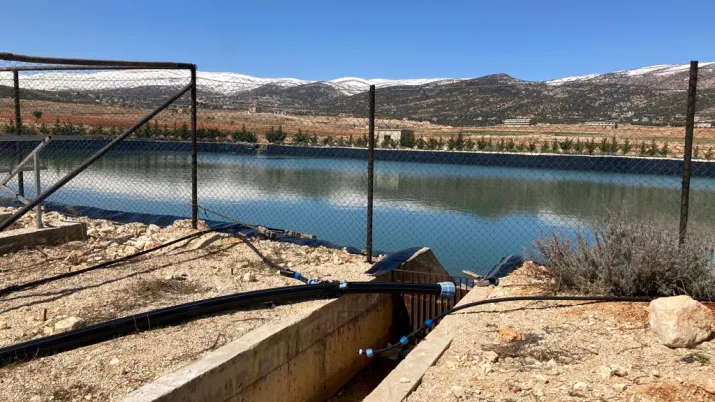
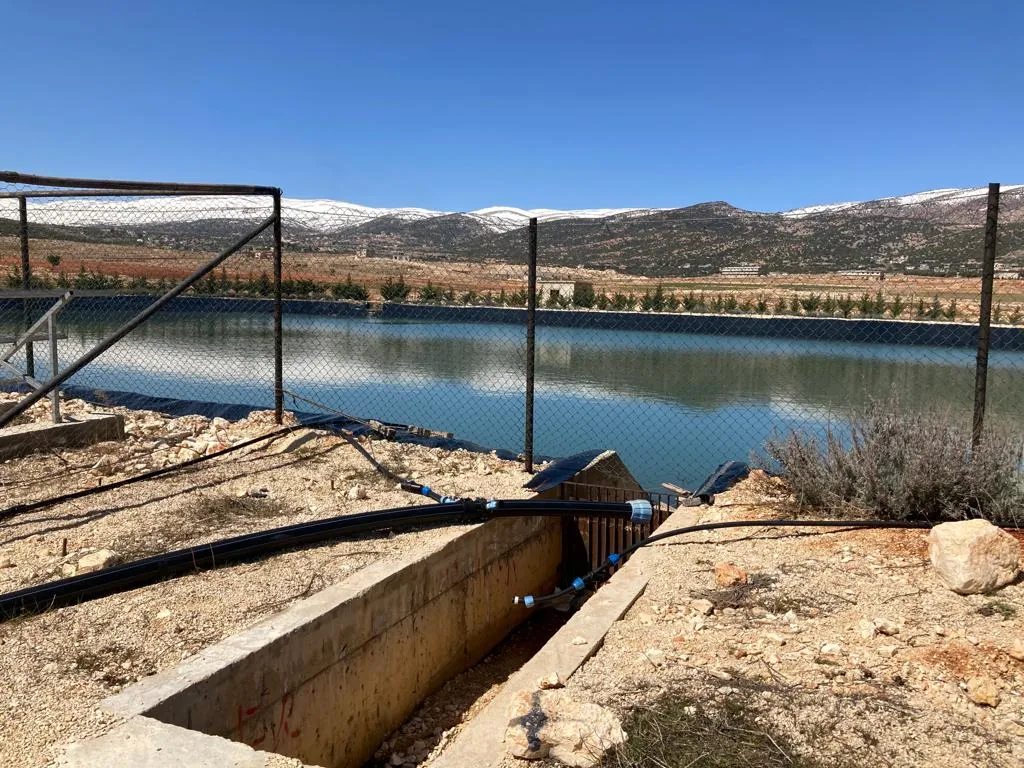
- Strengthen sustainable water management in the face of droughts : Faced with increased water stress, the FFEM is supporting the evolution of agricultural systems towards more water-efficient models that are better adapted to new climate constraints. Through the SUPMED project in Lebanon and Egypt, it supports sustainable and integrated water resource management and assists farmers in developing their practices. In particular, the project has increased the gross margin of agricultural households from 10 to 34% in Lebanon and from 75 to 93% in Egypt, while reducing water withdrawals by up to 80% in Lebanon and 25% in Egypt.
A capitalization approach to promote change of scale
Beyond experimentation, the FFEM places particular importance on capitalizing on experiences and sharing lessons learned from supported projects. This approach makes it possible to document the conditions for the success of the solutions tested, to produce recommendations and to promote their adoption and scaling up.
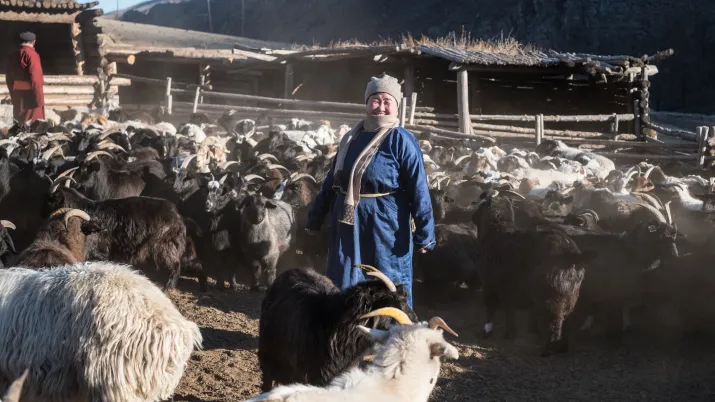
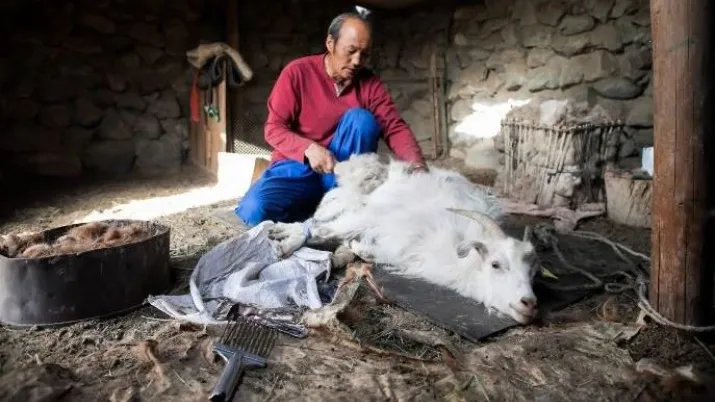
The experience of FFEM and AVSF in Mongolia illustrates this approach over time. For more than ten years, several successive projects have accompanied the evolution of Mongolian pastoralism, in particular by strengthening networks of actors, groups of breeders and groups of pasture users. After a first phase dedicated to the experimentation of a sustainable cashmere sector, then to its consolidation and replication, NOMADS FOR LIFE, building on the lessons learned from previous projects, broadens the approach to the sustainable and concerted transition of pastoral territories as a whole. This continuity thus makes it possible to gradually develop approaches and capitalize on the achievements of previous interventions.
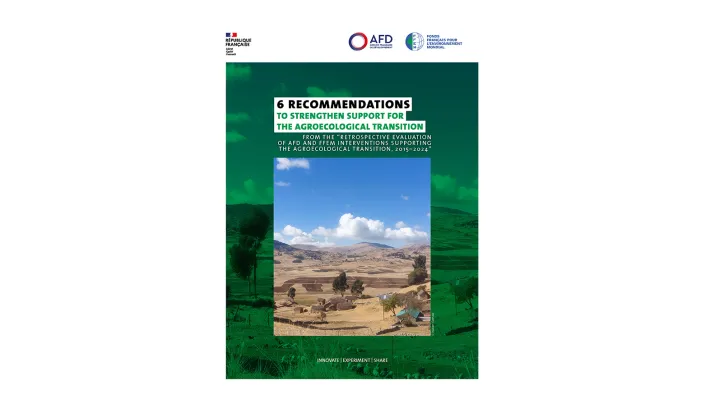
This desire to transform field experiences into useful knowledge for action is also reflected in the capitalization work carried out on the agroecological transition. The retrospective evaluation of AFD and FFEM interventions in favor of the agroecological transition over the period 2015-2024 has thus identified six recommendations to strengthen support for this transition. These teachings are enhanced through a booklet of recommendations and a motion design, designed to facilitate their appropriation and dissemination. The complete book resulting from this capitalization will be published soon.
The FFEM and its partners will be mobilized in Ulaanbaatar for several events, which will highlight their actions and share lessons learned from the projects supported.
- On August 25, the FFEM will participate in the event "Pastoralism and journey: what are the perspectives of the IYRP declaration for the decisions of the COP?" , led by CIRAD and will also participate in the event "Soil health as a foundation of the One Health approach", led by the IRD as part of the 4P100 initiative.
- On 26 August, the FFEM is organizing alongside MASA the event "From degradation to resilience: a global dialogue on rangelands and pastoral communities".
- On August 27, the FFEM will join the AFD in hosting the event "Building sustainable value chains through healthy soils and public-private partnerships."
This mobilization helps to strengthen the visibility of the FFEM and the coherence of the French team during the COP.
Through its mobilization at COP17, the FFEM intends to contribute to international exchanges by sharing lessons from its field experiences and highlighting integrated solutions, built with territorial actors and likely to change scale.