Share the page
The Ocean at the Heart of Solutions for Climate and Biodiversity
Published on
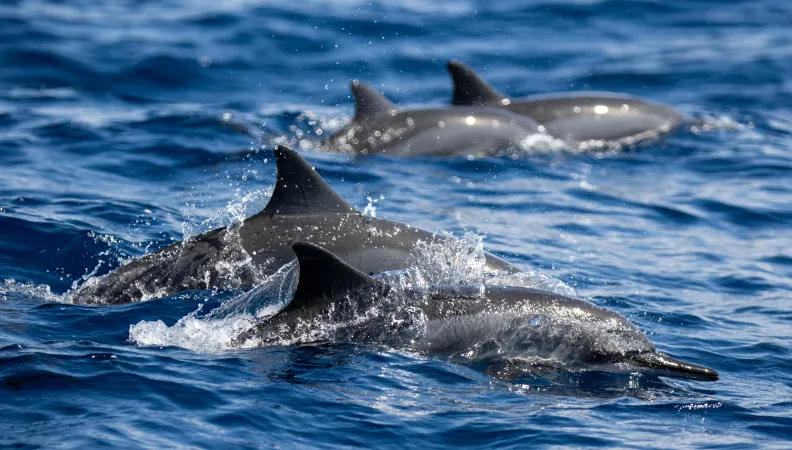
Essential to climate regulation, biodiversity, and the livelihoods of millions of people, the ocean covers more than 70% of the Earth’s surface but is now facing increasing pressures. To mark World Oceans Day, the FFEM is highlighting initiatives that, from the open ocean to coastal areas, help protect marine ecosystems and strengthen the resilience of the communities that depend on them.
Understanding and Protecting the High Seas
The upcoming entry into force of the Treaty on Marine Biodiversity Beyond National Jurisdiction (BBNJ) marks a historic step forward for the governance and protection of the high seas. This new international agreement provides an unprecedented framework for preserving marine ecosystems located beyond national borders and strengthening cooperation among states. Long before this decisive milestone, the FFEM has been committed to supporting innovative projects dedicated to the understanding, conservation, and sustainable management of marine biodiversity in the high seas.
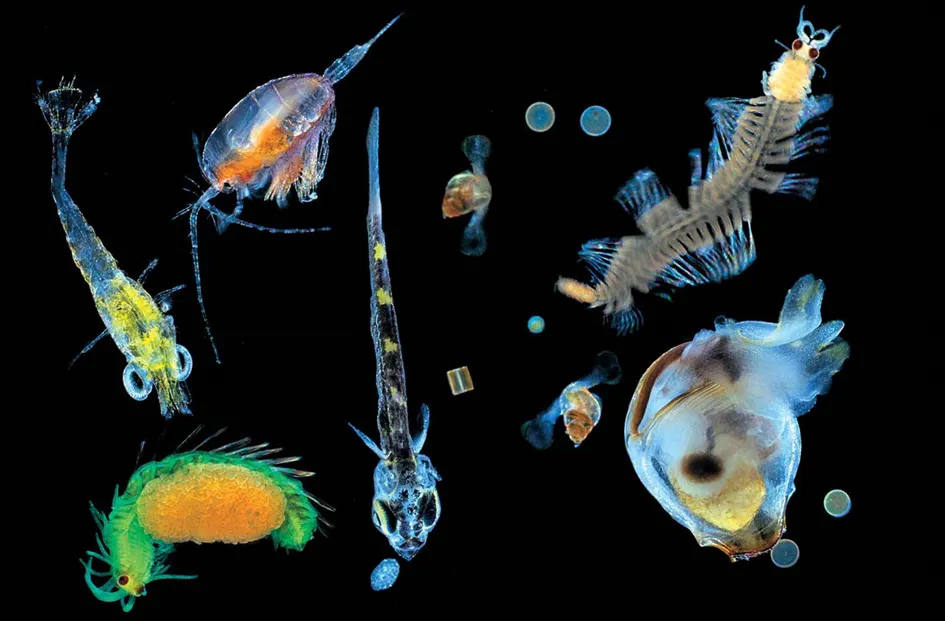
As part of this effort, the FFEM notably supports the Tara Ocean expedition, the first initiative to study marine plankton on a global scale. This program contributes to a better understanding of the essential role of plankton in the functioning of the ocean and its influence on the global climate. This partnership, which has been in place for 10 years, has notably led to the development of a guide titled “Ocean Plankton, Climate, and Development,” designed to assist decision-makers and practitioners in implementing international commitments to marine biodiversity.
The Plankt’ECO project builds on these efforts by strengthening the scientific capabilities of several countries in the Global South and fostering South-South cooperation between West Africa and Chile. It also helps raise awareness among younger generations about ocean ecosystems and the role of plankton in climate regulation through innovative educational tools. This project exemplifies a scientific collaboration built on more than 10 years of partnership with the Tara Ocean Foundation.
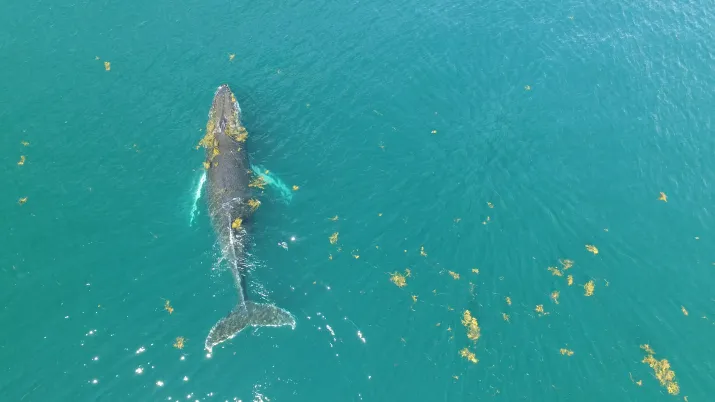
In the Thermal Dome and the Sargasso Sea—two remarkable areas of the high seas characterized by their mobile nature and located primarily beyond national jurisdictions—the SARGADOM project, in partnership with the GEF, the OFB, and the University of Western Brittany, contributes to the development of hybrid governance models, bringing together regional and international stakeholders, to strengthen the conservation and sustainable use of marine biodiversity.
Innovative solutions to strengthen coastal resilience
In light of the growing vulnerability of West African coastlines, the RETCAO project (Resilience of Territories and Communities to Coastal Risks in West Africa) underscores the importance of sustainably protecting coastlines by supporting communities facing coastal erosion and the effects of climate change. The project develops and scales up nature-based solutions, such as the restoration of coastal ecosystems and the revegetation of shorelines, to strengthen the resilience of territories while preserving biodiversity. RETCAO builds on the WACA-FFEM pilot project, whose results helped demonstrate the effectiveness of these innovative approaches and informed the development of the WACA regional program, led by the World Bank.
This ambition aligns with the conclusions of the latest forum of the Regional Partnership for Coastal and Marine Conservation in West Africa (PRCM/FOMACO), held in Nouakchott in April 2026. Through the Nouakchott Declaration, regional stakeholders reaffirmed the need to strengthen the resilience of coastal communities, protect marine and coastal ecosystems, promote a sustainable blue economy, and develop regional cooperation in the face of climate challenges.
Mangrove restoration is also a key focus area for the FFEM. Over the years, the Fund has supported numerous projects dedicated to the protection, sustainable management, and restoration of these essential ecosystems, which play a major role in biodiversity, coastal protection, and the livelihoods of local communities.
With this in mind, an online tutorial on mangrove restoration developed in partnership with IUCN PAPACO is now available for free in French and English. A methodological guide has also been developed to help project leaders enhance the effectiveness of restoration efforts.
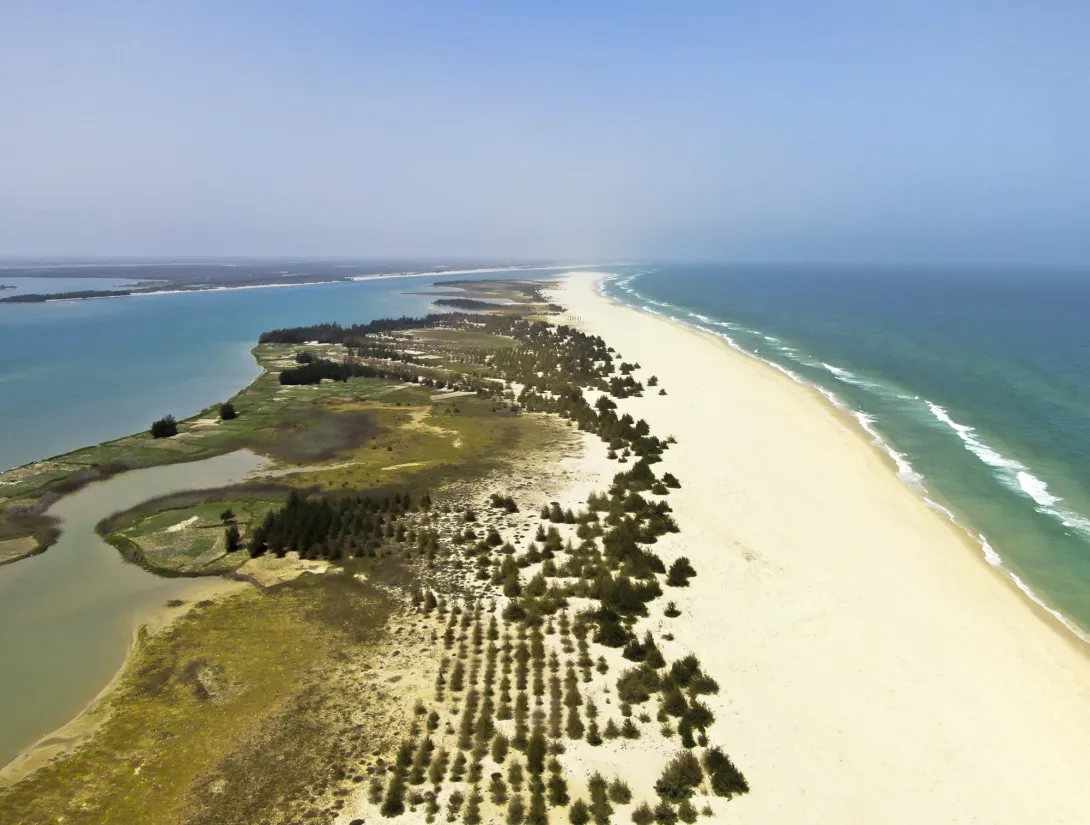
Mangroves: A Natural and Economic Heritage Worth Preserving
On June 17, 2026, the FFEM and the Tany Meva Foundation will announce the signing of the PAPEC project agreement. This partnership aims to strengthen the protection of mangroves in the Boeny region of Madagascar, while supporting the development of sustainable local economic sectors.
These ecosystems are currently undergoing alarming degradation due to various pressures, including logging, charcoal production, and certain unsustainable fishing practices. Behind the approximately 170,000 jobs directly linked to the region’s coastal and marine resources, thousands of families depend daily on the services provided by mangroves and small-scale fishing.
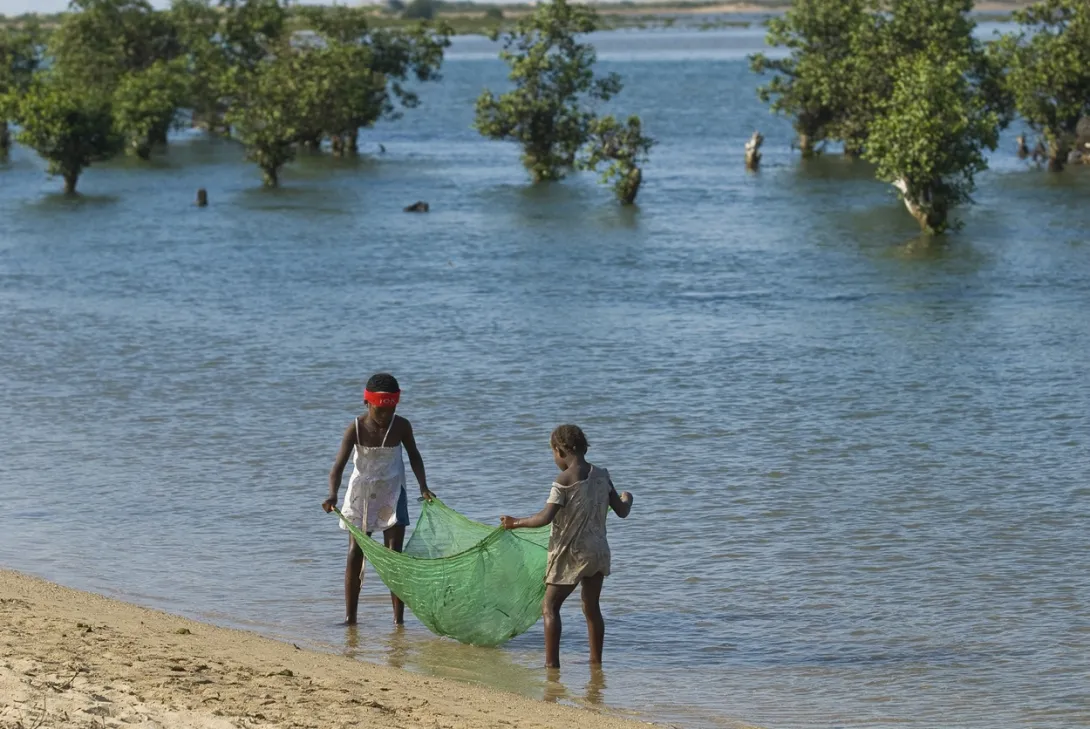
Taking action against pollution that threatens the ocean
Ocean pollution is not limited to visible waste. Among the less obvious but equally concerning threats is underwater noise pollution, primarily generated by shipping and maritime services.
In the western Indian Ocean, this growing nuisance is disrupting marine ecosystems and affecting many species that rely on acoustic signals to communicate, reproduce, or navigate. The Quiet Western Indian Ocean (QWIO) project aims to better understand the extent of this pollution and its impacts on marine biodiversity while promoting the integration of this issue into sustainable ocean management policies.
In the Mediterranean, one of the main environmental challenges remains plastic pollution. More than 229,000 tons of plastic waste are dumped there each year—the equivalent of 500 containers per day.
Led by the Beyond Plastic Med association—founded 10 years ago by the Prince Albert II of Monaco Foundation, the Tara Ocean Foundation, Surfrider Foundation Europe, the International Union for Conservation of Nature (IUCN), and the MAVA Foundation—the BeMed+ project aims to reduce this pollution by supporting local stakeholders in the southern and eastern Mediterranean countries. The pilot initiatives carried out under this framework will help identify solutions that can be replicated in other coastal regions facing similar challenges.
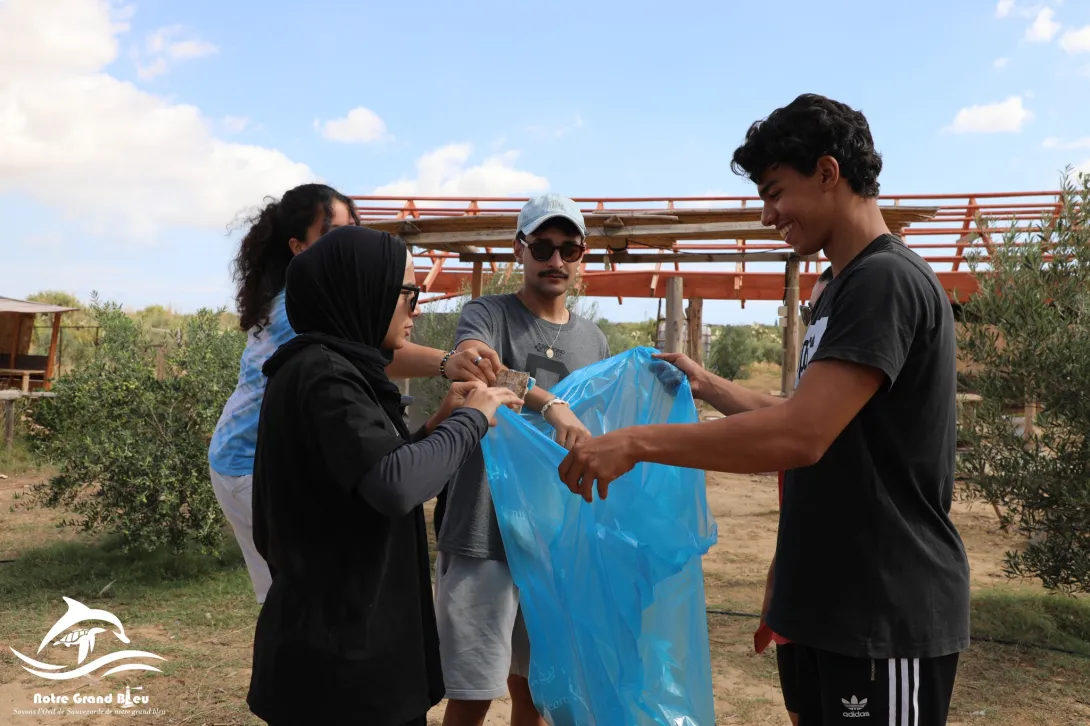
From the open ocean to mangroves, from research laboratories to coastal areas, the projects supported by the FFEM demonstrate that solutions exist. What they all have in common is that they rely on cooperation between scientists, public institutions, civil society organizations, and local communities.
On World Oceans Day, these initiatives serve as a reminder that the preservation of marine ecosystems is inextricably linked to development, climate, and biodiversity challenges. Protecting the ocean also means strengthening the resilience of the regions and populations that depend on it today and in the future.
As the entry into force of the BBNJ Treaty marks a new phase in the protection of the high seas, the first Conference of the Parties to the treaty, to be held in January 2027 in New York, will be a major opportunity to translate this historic agreement into concrete action. The projects supported by the FFEM are already demonstrating, on the ground, the solutions and cooperation needed to meet this collective ambition for a better-protected and sustainably managed ocean.
Watch the video presentation of the online tutorial on mangrove restoration
Read the article by Janique ETIENNE, Project Manager for Aquatic Ecosystems and Nature-Based Solutions at FFEM
Why restore our mangroves? Many restoration programs have been carried out, some of which have ended in failure; so what should we do?
A special feature on this topic is included in the IUCN NAPA Newsletter No. 208
Discover our projects
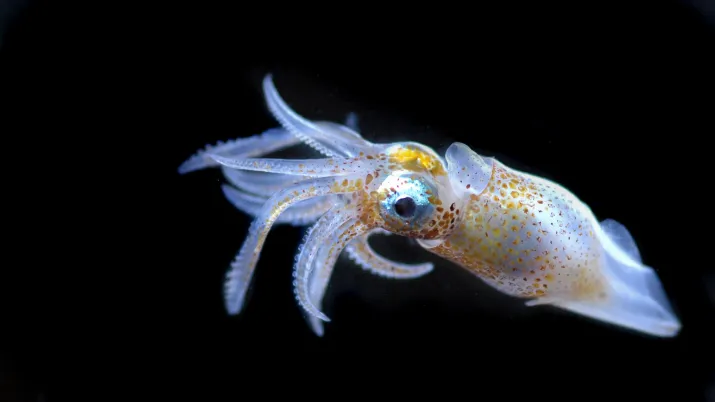
Developing hybrid governance to protect and manage special areas of the high seas
In progress
2021 - 2027
Reducing underwater noise emitted by maritime transport and services in the Western Indian Ocean
In progress
2022 - 2026