Share the page
World Biodiversity Day: A Global Tour of FFEM Solutions
Published on
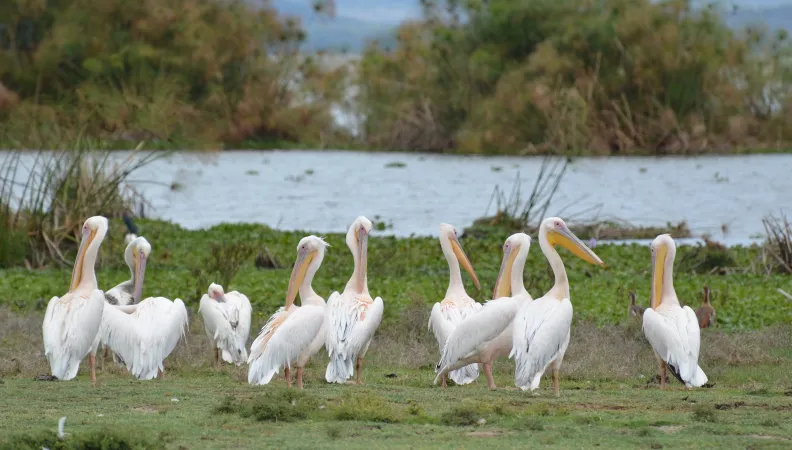
To mark World Biodiversity Day, celebrated annually on May 22, the FFEM is highlighting several initiatives it supports around the world to preserve ecosystems and support local communities.
As biodiversity loss accelerates due to human and climate pressures, these projects demonstrate that it is possible to reconcile the protection of life, economic development, and the sustainable management of natural resources.
Essential to human life, biodiversity plays a fundamental role in our food supply, our health, and the balance of ecosystems. Plants account for more than 80% of our food, and fish provide nearly 20% of the protein intake for approximately three billion people worldwide, according to the United Nations. Yet, this natural wealth is now seriously threatened.
A few figures illustrate the scale of this crisis:
- Three-quarters of terrestrial habitats have been significantly altered by human activities;
- Approximately 66% of marine habitats are affected;
- Nearly one million animal and plant species are threatened with extinction.
Sources: United Nations
In light of these findings, international mobilization is intensifying, particularly through the Convention on Biological Diversity. On the ground, this mobilization translates into concrete actions led by local actors, civil society organizations, public institutions, and communities. From Europe to the Sahel, from Latin America to Southeast Asia, the projects supported by the FFEM illustrate the diversity of solutions being implemented to preserve biodiversity while strengthening the resilience of local areas.
Heading to the Balkans to reconnect ecosystems and support local communities
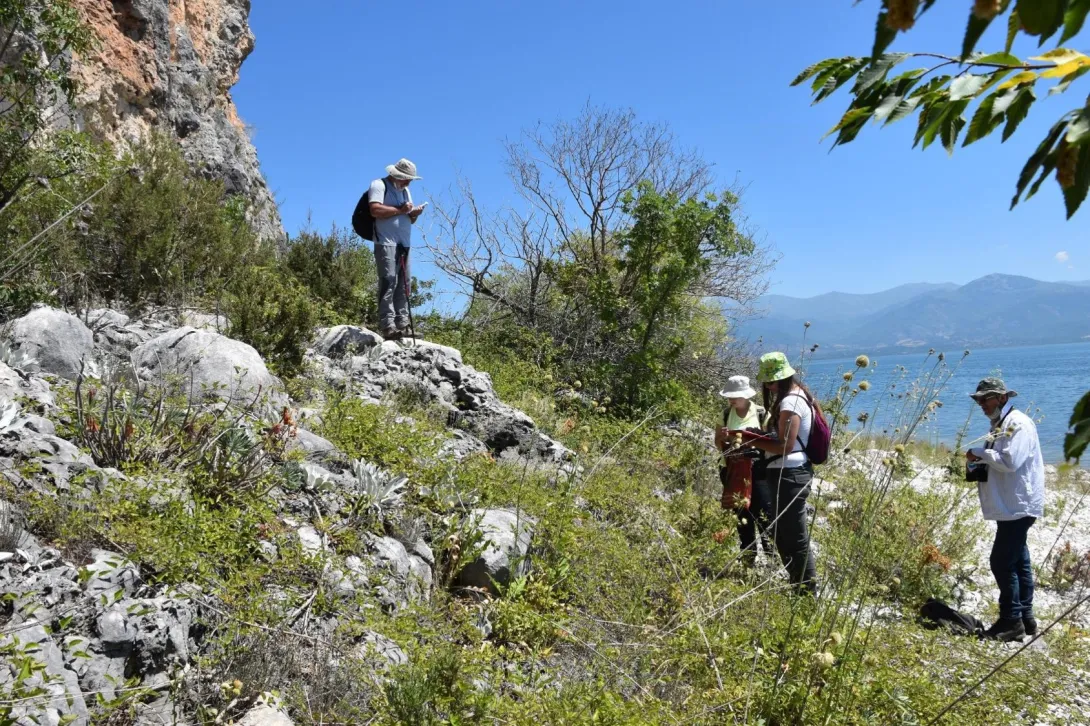
Led by the Prespa Ohrid Nature Trust (PONT), the PONT CONNECT project aims to preserve one of Europe’s most biodiverse regions, located at the border of Albania, Greece, and North Macedonia. This area is currently under threat from urbanization, tourism development, the isolation of protected areas, and the effects of climate change.
The project focuses on identifying priority ecological corridors to maintain species movement and the connectivity of natural habitats. It also promotes cross-border governance by bringing together various local stakeholders to manage natural resources collaboratively.
Thanks to sustainable funding over ten years and significant regional cooperation, PONT CONNECT aims to strengthen the resilience of ecosystems while improving the services provided by nature to local communities.
A Stopover in the Sahel: Protecting Wetlands and Waterbirds
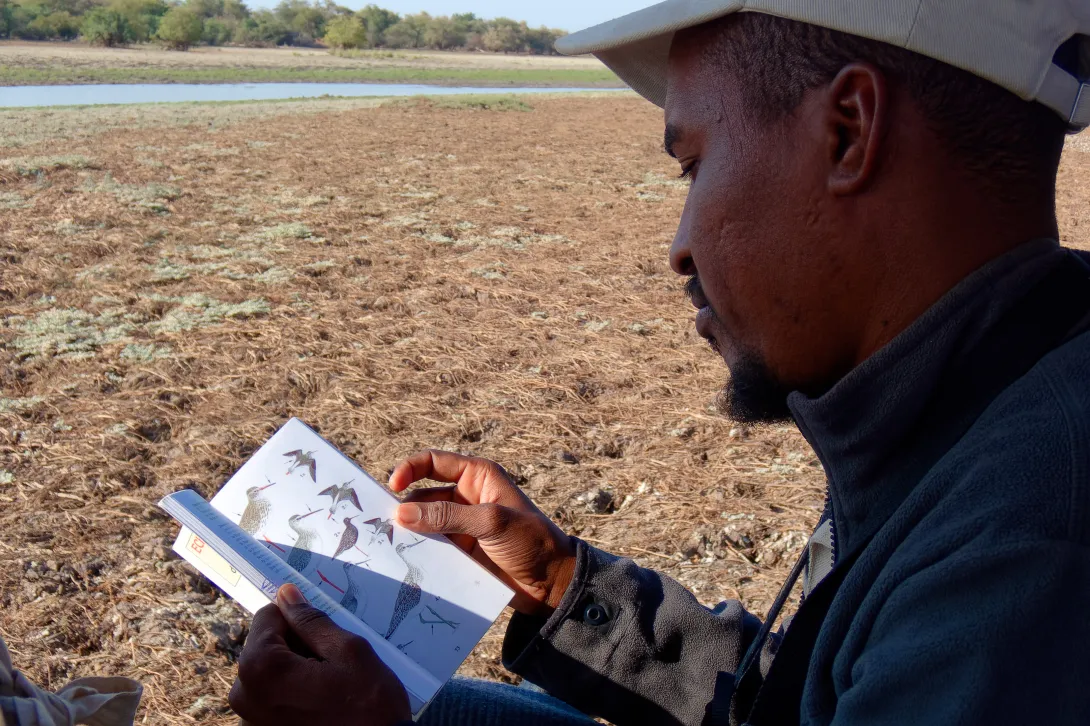
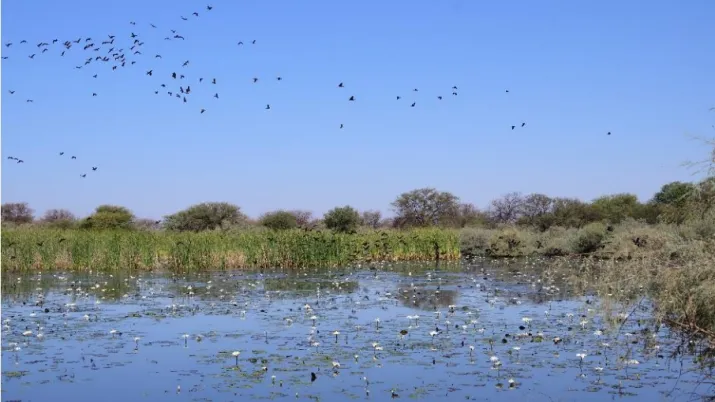
In the Sahelian belt, large wetlands rich in biodiversity play a vital role for biodiversity and local communities. However, these areas are facing growing pressures related to climate change, population growth, and the overexploitation of natural resources. Supported by the FFEM, the Ressource+ project seeks to reconcile waterbird conservation with the sustainable use of wetlands by the communities that depend on them. Certain species directly contribute to food security and the livelihoods of many local families.
The project is thus developing an innovative approach based on the sustainable and legal management of natural resources, while strengthening local capacities and community governance mechanisms. In line with the FFEM’s priorities regarding wetland conservation, Ressource+ provides concrete solutions to the interrelated challenges of biodiversity conservation and local development.
In the heart of the Brazilian Pampas to promote sustainable agriculture
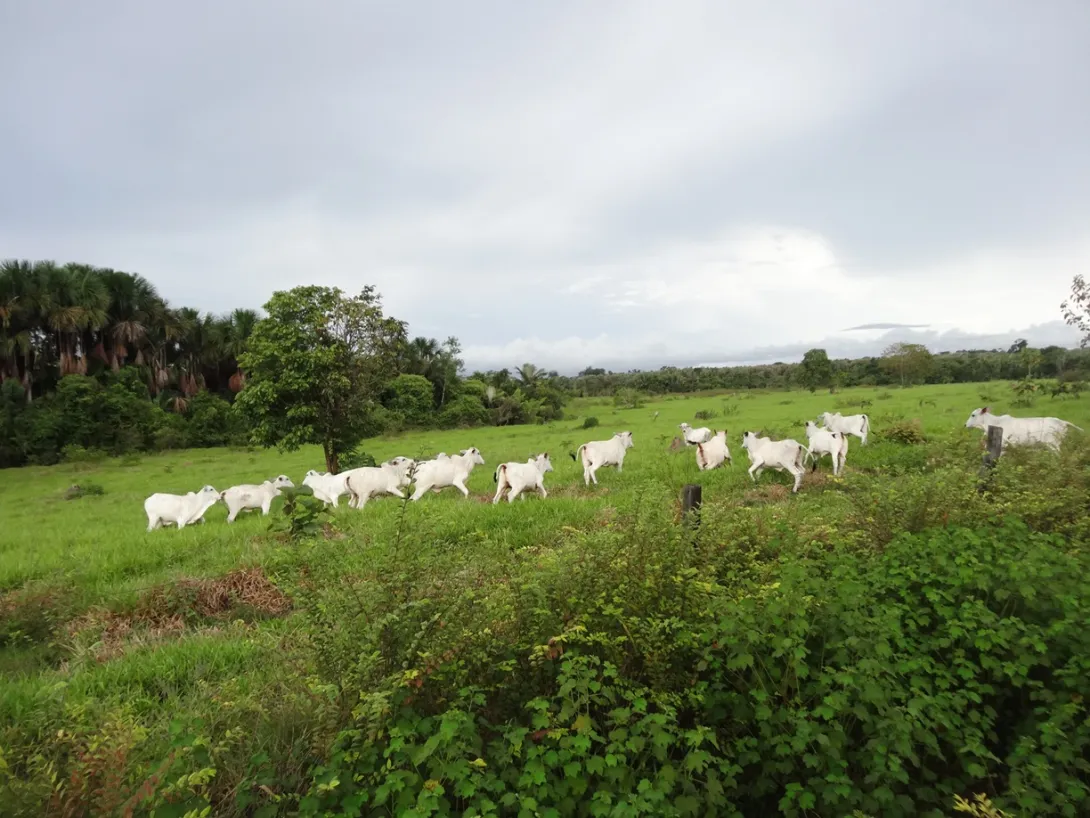
In southern Brazil, the Pampas biome is home to vast natural grasslands rich in biodiversity. This unique ecosystem is now threatened by the rapid expansion of agricultural monocultures and changes in land use. Supported by the FFEM and co-financed by the AFD, the Allianza project, led by the Alianza del Pastizal, assists ranchers in transitioning to more sustainable agricultural practices that respect ecosystems. The initiative promotes traditional extensive livestock farming while modernizing production methods to balance the preservation of natural grasslands with the economic viability of farms.
The project also encourages the diversification of agricultural activities, the development of new sectors such as vineyards and olive groves, as well as more participatory governance involving women and young people. The Pampas is thus becoming a true laboratory for territorial innovation where ecology and rural development advance hand in hand.
Heading to the Philippines to restore the coral reefs in Shark Fin Bay
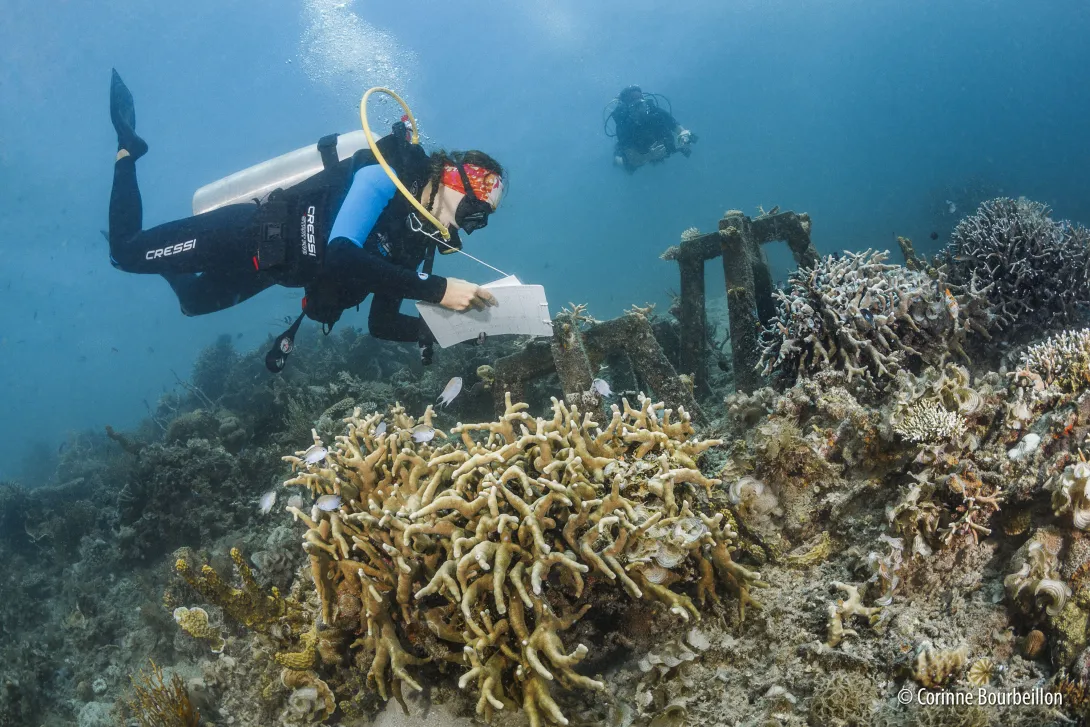
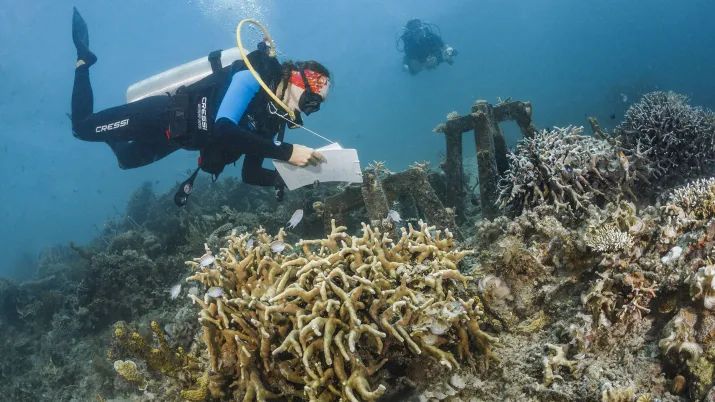
In Palawan, Philippines, Shark Fin Bay is the focus of an ambitious coral reef restoration project led by the Sulubaaï Environmental Foundation with support from the FFEM.
In response to the degradation of marine ecosystems caused by overfishing and certain destructive practices, the project combines ecological innovation with community engagement. Artificial structures known as “Sulu-Reefs” are being installed to promote coral regeneration and restore marine habitats.
The project also supports the creation of marine protected areas, as well as awareness-raising initiatives and training programs for local communities. By improving the health of coral reefs, the project helps preserve marine biodiversity while supporting the livelihoods of coastal communities.
Local solutions to address a global challenge
Through these initiatives carried out across several continents, the FFEM supports concrete solutions to preserve ecosystems while strengthening local development dynamics. These experiences demonstrate that the protection of biodiversity also relies on grassroots actions that are replicable and driven by collective effort.
As the 17th Conference of the Parties on Biodiversity (COP17) approaches, scheduled to take place in Yerevan, Armenia, from October 19 to 30, 2026, these projects illustrate the essential role of local initiatives in achieving global biodiversity conservation goals.
Discover our projects
Towards resilient nature and engaged communities in the Balkans (PONT CONNECT)
In progress
2025 - 2030
Discover our latest news
The Africa-France Partnership: Driving Innovation for Sustainable Transitions
Published on May 11, 2026

The 2026 Regional Marine and Coastal Forum: Ocean Health at the Heart of Future Solutions
Published on April 27, 2026
World Mother Earth Day: Producing Differently—Fair Trade in Support of Biodiversity
Published on April 22, 2026