Share the page
COP31: bringing together on-the-ground solutions and international climate commitments
Published on
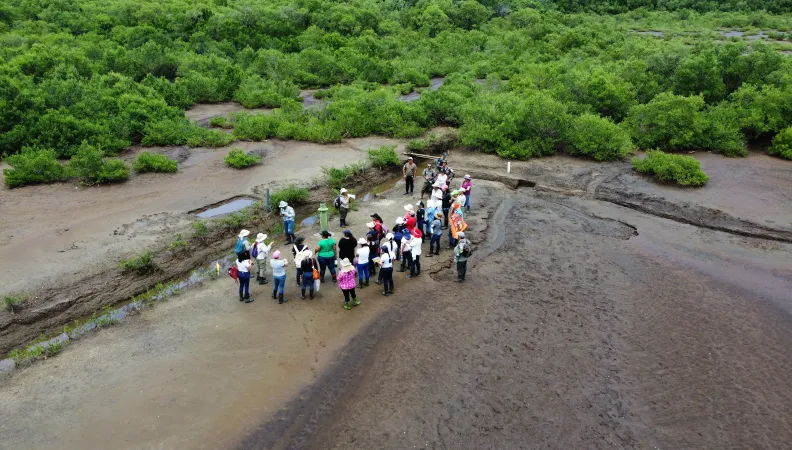
On the occasion of COP31, which takes place from 9 to 20 November 2026 in Antalya, the French Global Environment Facility (FFEM) highlights the solutions tested with its partners to address climate and environmental challenges. Through its pilot projects, it mobilizes French, international, and local expertise to develop concrete responses that are adapted to the territories and likely to be deployed on a larger scale.
287 climate projects
totaling 358 M€ committed by the FFEM between 1994 and 2025 (including projects with co-benefits)
Fin response to the interactions between climate change, biodiversity loss, and pollution, an integrated approach to the ecological transition relies on three complementary levers:
Bring together the challenges of climate, biodiversity, and combating pollution
Developing solutions that act simultaneously on these three issues makes it possible to enhance the benefits for ecosystems and populations, particularly from nature-based solutions.
Supporting climate change adaptation and mitigation
Reducing greenhouse gas emissions and strengthening the resilience of territories means supporting solutions adapted to local contexts, in key sectors such as agriculture, construction, forests or coastlines, with a focus on nature-based solutions.
Experiment with innovative financing mechanisms
In response to the growing need for financing, new mechanisms are being tested, such as carbon credits, blue carbon and biodiversity credits, to diversify resources and enhance the services provided by ecosystems.
At COP31, France has several priorities in the fight against climate change, notably in favor of adaptation, mobilization of funding, and consideration of sectoral issues. Through the projects it supports with its partners, the FFEM contributes to providing concrete responses to some of these challenges, by relying on integrated approaches adapted to the realities of the territories.
Going beyond sectoral approaches: integrated responses to climate and environmental challenges
Agriculture, forests, marine and coastal ecosystems: several projects show how the same initiative can contribute to climate change adaptation and mitigation, biodiversity conservation and pollution reduction.
In Senegal, the THIELLAL 2 project promotes the evolution of agricultural practices by reducing agricultural pollution to take into account the links between human, animal and environmental health ("One Health" approach). It notably mobilizes the expertise of Agronomes & Vétérinaires sans frontières (AVSF), in complementarity with that of local actors.
In the Amazon, forest conservation helps to protect major biodiversity reservoirs and carbon stocks. The Vital Reserves project explores new financing mechanisms for territories with high forest cover and low deforestation (HFLD).
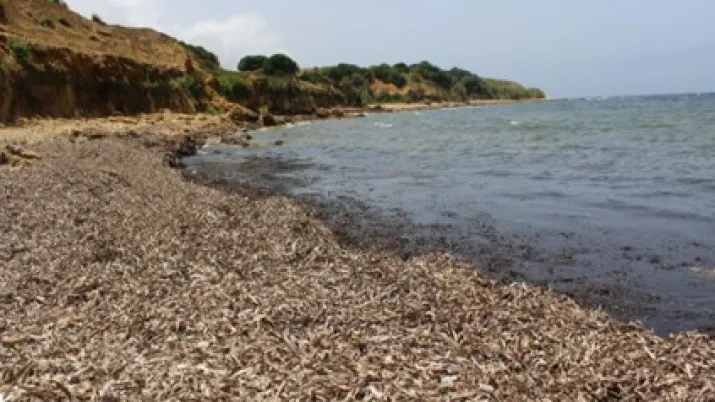
In Tunisia, the PENELOPE project contributes to preserving posidonia seagrass, ecosystems essential for marine biodiversity, coastal protection and blue carbon storage. It also supports the development of sustainable fishing activities. The project mobilizes in particular the expertise of the French Development Agency (AFD), the French Biodiversity Office (OFB) and WWF, alongside Tunisian stakeholders.
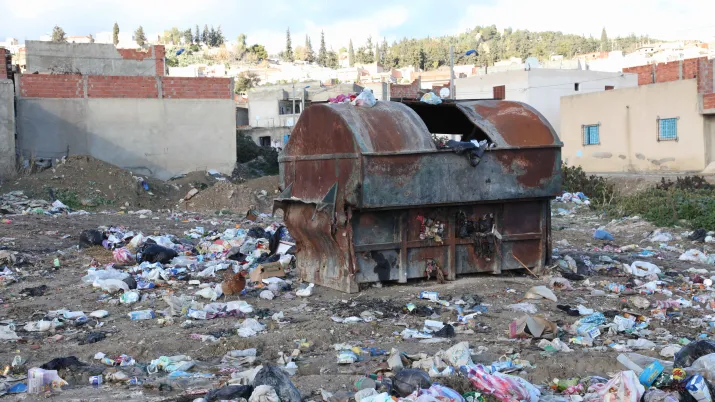
The circular economy is another lever of this transversal approach. On the Tunisian islands of Kerkennah, the PLAST'ILE project is experimenting with an integrated strategy to reduce plastic pollution in the Mediterranean, a shared ecosystem between the countries of the North and South shores. The project combines improved waste collection and treatment, alternatives to plastic fishing equipment, and changes in tourist practices, with support from ADEME and the Conservatoire du littoral.
Strengthen adaptation and accelerate mitigation in the territories
In the face of climate change, two complementary challenges are necessary: reducing greenhouse gas emissions to limit their scale (mitigation) and strengthening territorial resilience to better cope with its effects (adaptation). Their consideration is based on responses adapted to local contexts, combining scientific and technical expertise and the know-how of territorial actors.
In construction, the PEEB program and its PEEB Cool project mobilize French and international expertise to support the development of bioclimatic constructions and sustainable cooling solutions. By combining engineering, technical expertise and local know-how, they promote energy efficiency and the adaptation of buildings to high temperatures.
In Egypt and Lebanon, the SUP-MED project, coordinated by CIHEAM, promotes agroecological practices adapted to local contexts. By preserving water resources and strengthening the resilience of agricultural systems, the project also promotes the sharing of scientific and technical knowledge.
On the coasts of West Africa, the RETCAO project is in line with the achievements of the WACA project to strengthen the resilience of coastal territories through the preservation and restoration of natural ecosystems. This regional cooperation mobilizes in particular the expertise of the Conservatoire du littoral in terms of integrated coastal zone management, in close collaboration with the actors and institutions of the countries concerned.
In Zanzibar, on the island of Pemba, the UCHUMI BLUU initiative, implemented by Blue Finance France, combines the conservation of marine biodiversity and the development of a sustainable blue economy. By supporting the co-management of PECCA’s marine protected area with local authorities and communities, the project supports the restoration of coral reefs and mangroves as well as the creation of social enterprises contributing to sustainable financing for conservation.
Innovating in climate and biodiversity financing mechanisms
The mobilization of diversified financing requires developing tools capable of better recognizing and valuing the services provided by ecosystems. Several projects contribute to this experiment.
In the Amazon, Réserves vitales explores financing mechanisms adapted to territories with high forest cover and low deforestation (HFLD), as a complement to traditional carbon offset approaches. In Tunisia, PENELOPE is studying the potential of blue carbon as a lever for financing the preservation of seagrass.
The development of biodiversity credits also opens up new possibilities for financing ecosystem conservation and restoration. These experiments contribute to the emergence of complementary financial tools in the service of climate and biodiversity.
Supporting the testing of innovative solutions is only a first step. The FFEM also ensures that lessons learned from projects are valued and their results disseminated to promote their appropriation and deployment in other territories.
Through its books and booklets of recommendations, it presents the results, shares good practices and disseminates knowledge and know-how developed by its partners. The publications address a variety of topics: sustainable forest management, nature in Latin American cities, carbon financing, active mobility and agroecology.
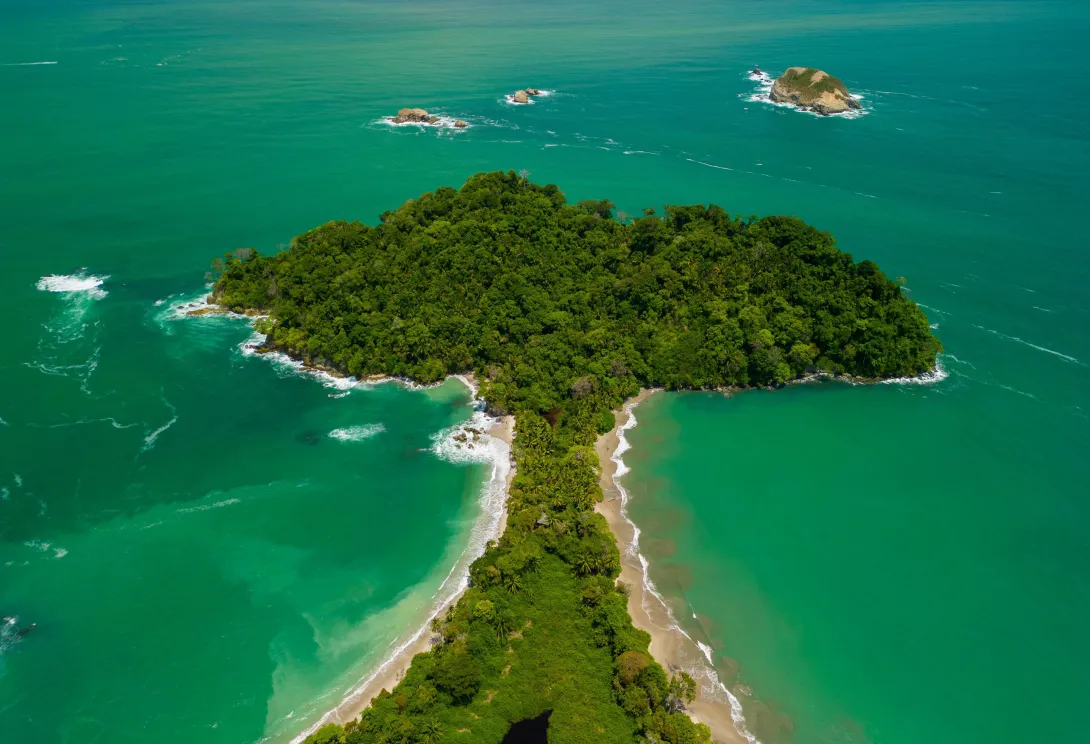
By combining funding for pilot projects, mobilizing complementary expertise and sharing experiences, the FFEM helps to bring out solutions adapted to local realities and encourages their replication in other territories.
Through its role as an instrument of French environmental diplomacy, it also contributes to enhancing these field initiatives and disseminating the lessons learned. COP31 is an opportunity to put these experiences into perspective and recall the importance of appropriate funding to achieve climate commitments.
Discover our projects that act in favor of the climate
Promoting blue carbon for sustainable fishing and resilient coastlines in Tunisia (PENELOPE)
In progress
2026 - 2029

Discover our publications and capitalizations
IN FOCUS : Carbon finance, a level for a sustainable future
Published on January 21, 2025

IN FOCUS : Towards more sustainable management of Central African production forests
Published on June 12, 2023

