Share the page
Ecoconstruction: A long-term action by the FFEM to build differently and scale up
Published on
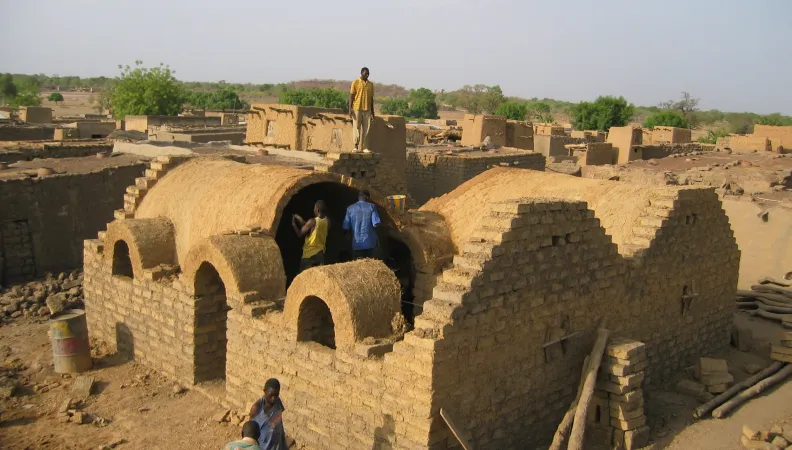
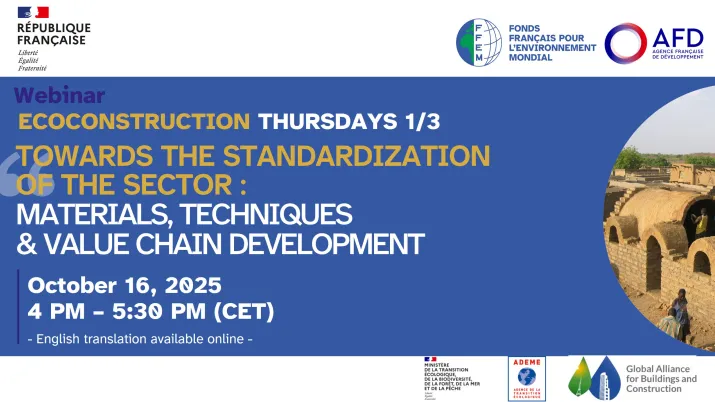
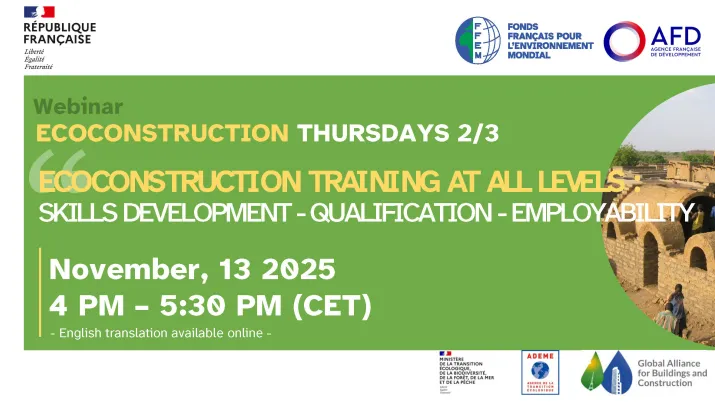
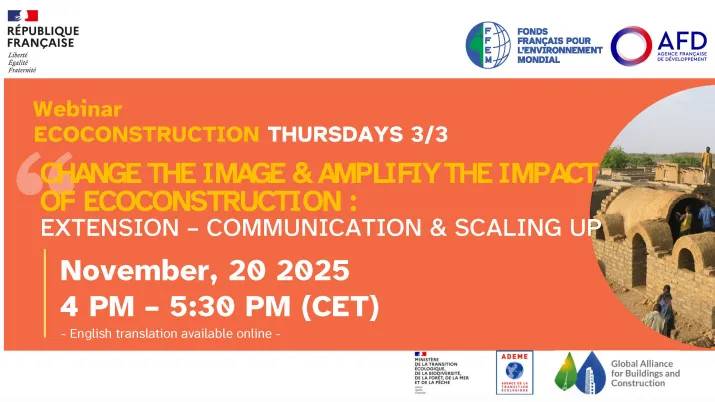
The building sector accounts for one-third of global greenhouse gas emissions. Caught between the climate emergency, rapid population growth, and promising local innovations, the building sector must reinvent itself. In the momentum of COP30, of the 10th anniversary of the Paris Agreement, and of the recent signing of the Chaillot Declaration by 70 countries, the “Eco-construction Thursdays” webinar series allowed the FFEM and AFD to explore, alongside international stakeholders, concrete solutions to transform a practice that is still marginal into a driver of resilience, employment, and massive emissions reduction.
3 key levers to transform this still “alternative” practice into a systemic solution.
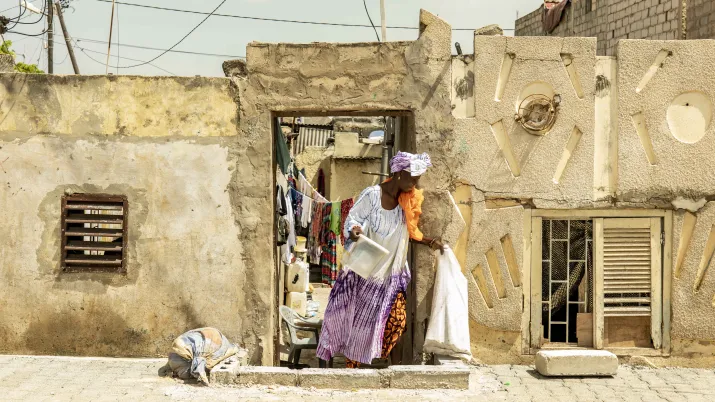
In Sub-Saharan Africa, the challenges are immense: 230 million housing units to be built by 2030, a population of which 70% is under the age of 30, and rapid urbanization. Despite fifteen years of innovative programs supported by the FFEM, particularly in these regions, eco-construction remains on the fringes of the sector and faces various obstacles to becoming a large-scale solution. These 3 webinars identified 3 key levers to transform this still “alternative” practice into a systemic solution.
- Standardizing without stifling innovation. From best practice guides to certifications tailored to the African context, experts demonstrated how to objectively assess the performance of bio-based materials while preserving local creativity and traditional know-how. Life Cycle Assessments (LCA) reveal spectacular results: up to an 88% reduction in carbon footprint compared to conventional methods. This quantifiable transformation paves the way for essential institutional recognition.
- Training at all levels. From training worksites in Mauritania to Master’s degrees in Madagascar, a new generation is emerging across the various eco-construction trades and becoming professionalized. The Nubian Vault trains artisans in rural areas in alignment with the local agricultural calendar; the European ECVET framework now certifies eco-construction skills in eleven countries. These initiatives are creating green jobs in the most vulnerable areas.
- Changing image and perceptions. Francis Kéré, 2022 Pritzker Prize winner, and Anna Heringer, 2020 Obel Award winner, are proving that building with earth can be beautiful, modern, and comfortable. Projects such as the 110-hectare Senegalese eco-city, led by SAFRU, demonstrate that eco-construction meets the contemporary aspirations of both residents and investors. Architectural quality, thermal comfort, and low energy consumption are becoming powerful selling points.
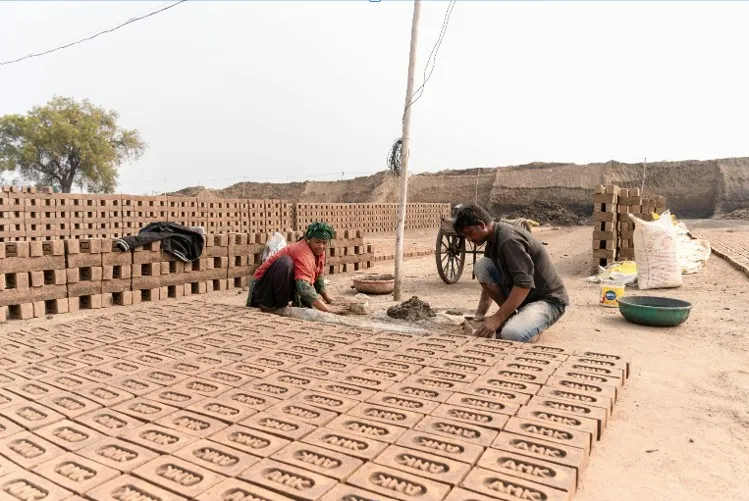
The key messages from the 3 webinars
Ecoconstruction is not a dogmatic or activist choice confined to pilot projects. It stands out as an economically viable, climatically necessary, and socially beneficial reality. It creates local jobs, strengthens community resilience to climate shocks, promotes vernacular know-how just as much as innovation, and is part of a dynamic of inclusive territorial development.
Finally, eco-construction is not a “standardized” model because, by nature, it relies on local resources and materials, adapting them to climatic, geological, and cultural realities. What is currently an obstacle to its adoption by the conventional building sector is also its greatest asset for achieving GHG emission reduction targets and lowering the environmental footprint of construction.
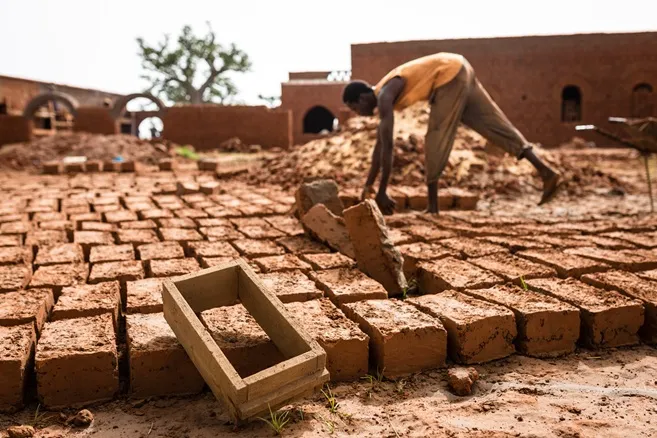
This webinar series benefited from the support and expertise of numerous partners and stakeholders committed to sustainable construction. We sincerely thank the EDU and EGI divisions (via PEEB) of the AFD, ADEME, the Global Alliance for Buildings and Construction, UN-Habitat, UNEP, the Federation of Francophone Architects of Africa, SAFRU, Habidem, the Goethe Institut, the architecture and engineering firm Chiwara Project (international laureate of the Green Solutions Awards 2024–2025 organized by Construction21), the consulting and engineering agency BioBuild Concept, the Nubian Vault Association, the CRAterre research and training center, the Architecture and Research Agency MBN (AARMBN), and the association Architecture & Développement for their active participation in discussions during the various sessions and for enriching this cycle with their perspectives, lessons learned, and visions for the future of sustainable building in Africa and beyond.