Share the page

Renewable hydroelectric and solar energy for sustainable essential services (Pot@maï 2)
Project
This project is carried out with the support of the European Union.

-
Project start date
-
Status
In progress
-
Estimated date of project termination
-
-
Project financing date
-
-
Financing duration
-
5 years
-
Type of program
-
FFEM
-
Global financing amount
-
€ 3 705 192
-
FFEM financing amount
-
€ 1 592 509
-
Project lead member institution(s)
-
French Ministry of the Ecological Transition
-
Country and region
-
Africa
-
Type of financing
-
Partners
-
European Union (EU), AFD-PEEB, AURA Region, Hauts de France Region, Fondation Rothschild, Air France Foundation
-
Beneficiaries
-
Association Pot@maï
-
Type of beneficiary
-
NGO, Foundation



This project is carried out with the support of the European Union.
The content of this project sheet is the sole responsibility of the FFEM and does not necessarily reflect the opinions of the European Union.
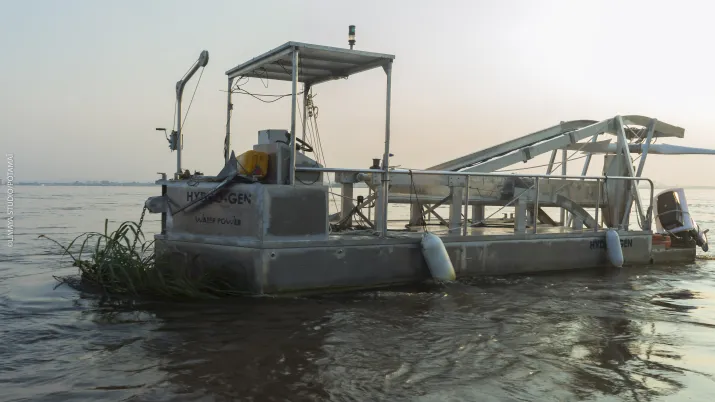
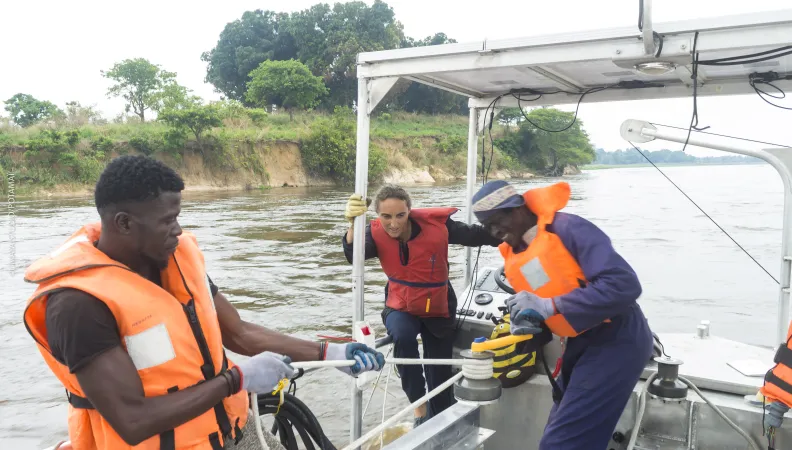
In the remote rural areas of Congo, Pot@maï is deploying an innovative solution combining tidal and solar energy to power essential services. These autonomous units, designed with local communities, meet the needs of water, cold, food processing or telecoms.
The project contributes to women’s empowerment, local economic development and low-carbon transition.
Context
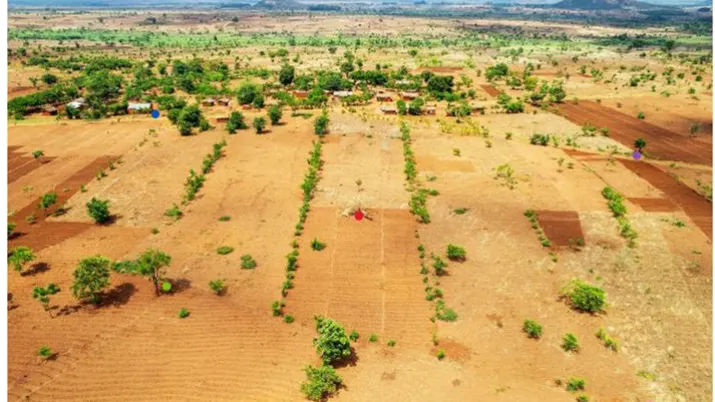
The project takes place in a rural area of the Republic of the Congo, a country where 45% of the population lives under the poverty line. The rates of access to electricity and drinking water are particularly low, respectively 15% and 46%, despite a high potential in renewable energies. Agricultural production is not enough to feed a growing population, with 70% of food consumption imported.
Description
The project revolves around five key axes:
- Deploy Essential Service Units (USE) powered by 100% renewable energy (water-based + solar).
- Provide essential services: drinking water, cooling, lighting, food processing, telecoms.
- Structure an economic and organizational model for large-scale deployment.
- Strengthen a local ecosystem for the construction, management and maintenance of USE.
Evaluate and disseminate impacts to promote the replication of the solution
Outcomes
- Optimize project governance with a clear distribution of roles and digital energy management tools.
- Design, manufacture and deploy 3 new Essential Service Units (USE) in Congo starting from 2025.
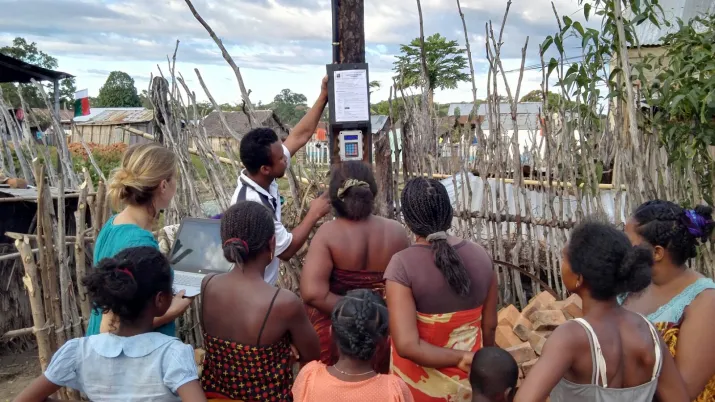
- Actively involve women in identifying needs and managing essential services.
- Train local populations through an annual professional training program in the USE.
- Measure and value the social, economic and environmental impacts of the project to promote its dissemination.
Innovative and exemplary features
The project stands out for its profoundly innovative character, relying on renewable energies little exploited in Congo, such as energy from river currents "over water" and solar energy. Unlike traditional models, Essential Service Units (USE) do not sell electricity, but generate their income through the sale of locally processed products, directly meeting the needs of communities. Each USE ensures continuous access to essential services, creates sustainable jobs in rural areas, and preserves the environment thanks to a solution without heavy infrastructure. This integrated model contributes to the achievement of several Sustainable Development Goals (SDGs) at the local level.
Sustainable Development Goals
ODD5 Gender equality
ODD7 Affordable and clean energy
ODD8 Decent work and economic growth
ODD13 Climate action