Share the page
17 years of partnership with the Conservatoire du littoral : from French expertise to shared solutions
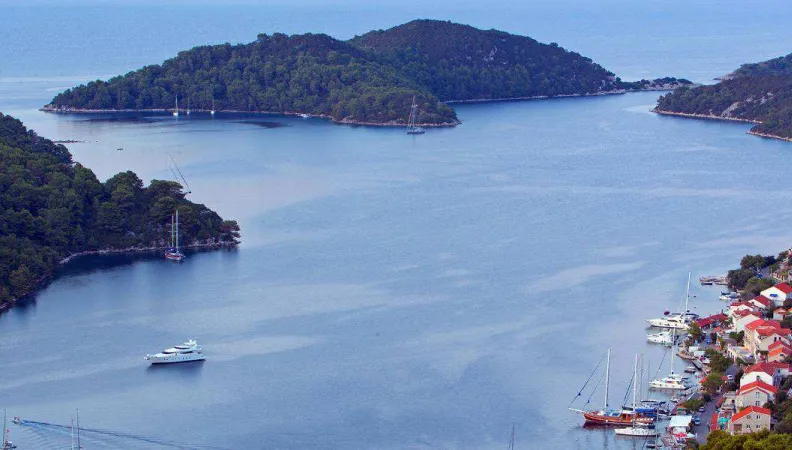
On the occasion of the International Day of the Sea, placed in 2026 under the theme "From policy to practice: promoting maritime excellence", the FFEM looks back on nearly 17 years of partnership with the Conservatoire du littoral. Since 2009, this cooperation has mobilized French expertise as a point of support for experimenting, learning with local partners and developing solutions adapted to the territories. More than 15 projects have been supported in this way.
Coastlines under pressure
At the 3rd United Nations Ocean Conference (UNOC-3), held in Nice in June 2025, states reaffirmed the urgent need to better protect oceans and coastal ecosystems.
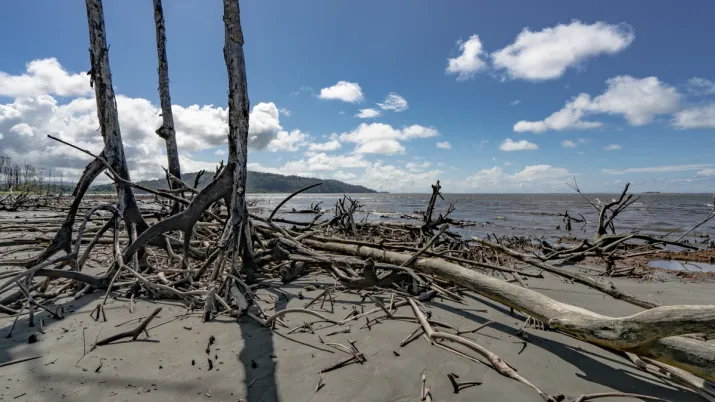
Erosion, artificialization, rising sea levels and loss of biodiversity: coastlines are under increasing pressure. Since its creation in 1994, the FFEM has supported projects that are experimenting with concrete solutions to strengthen their resilience.
Some key figures:
- 4.3 mm/year: the rate of rise in average sea level in 2023, compared to about 2 mm/year before 2015.
- 0.5 to 2 m/year: the order of magnitude of shoreline setbacks observed in certain particularly exposed areas.
- 770 million: number of people living less than 5 meters above sea level.
From WACA to RETCAO: from experimentation to scaling up
In West Africa, coastlines are particularly exposed to erosion and the effects of climate change. With the Conservatoire du littoral and other partners, the FFEM has contributed to experimenting with alternatives to heavy protection structures, in particular by favoring nature-based solutions.
In the framework of the WACA project, several so-called "soft" solutions have been tested: typhavellae, filao plantations, dune restoration or even observation and prospective management devices.
These experiments made it possible to document the implementation conditions and the results of these solutions. Their evaluation also contributed to the reflections of the regional WACA program led by the World Bank.
These lessons continue today with the RETCAO project, launched in February 2026 in Benin, Côte d'Ivoire, Mauritania, Senegal, and Togo. The recommendations from the WACA evaluation have notably helped to guide this new phase, which aims to strengthen the resilience of West African coasts with local communities.
To come back to the richness of this partnership with the FFEM and the experience carried out within the framework of WACA, let’s listen to Fabrice Bernard, International Director and Patronat of the Conservatoire du littoral.
La Méditerranée, un écosystème partagé : mieux connaître pour mieux préserver
With nearly 15,000 islands, the Mediterranean is a space of great ecological richness, but also particularly vulnerable. An ecosystem shared with France, whose preservation concerns all the riparian countries. Small islands, in particular, are home to fragile ecosystems and play an important role in preserving biodiversity.
The CAIPIM project, led by the PIM Initiative and the Conservatoire du littoral, is part of this dynamic. Supported by the FFEM, it aims to better understand the small islands of the Mediterranean and Macaronesia, strengthen stakeholder networks and improve conservation and restoration capacities.
The project brings together managers, researchers, local actors and civil society around scientific, participatory and transdisciplinary approaches. It contributes in particular to the development of simple and reproducible monitoring protocols and to the sharing of experiences between territories.
Knowledge, cooperation and the sharing of practices are thus essential levers for preserving ecosystems that transcend national borders.
From Team France to Team Europe: the rise of SMILO
Led by the Small Islands Organisation (SMILO), the SMILO initiative places the sharing of experiences and networking of stakeholders at the heart of its action. Supported by the FFEM and the Conservatoire du littoral since 2016, it has helped to structure an international network committed to the sustainable management of small islands and to promote good practices through the "Small Sustainable Islands" label.
With SMILO+, supported by the FFEM and the European Union since 2023, this dynamic is changing scale. The project supports new territories, strengthens local capacities and develops shared governance approaches, notably through peer exchanges.
Present at UNOC-3 in Nice in June 2025, the initiative thus illustrates the transition from a dynamic carried out within the framework of French cooperation to a European and international network.
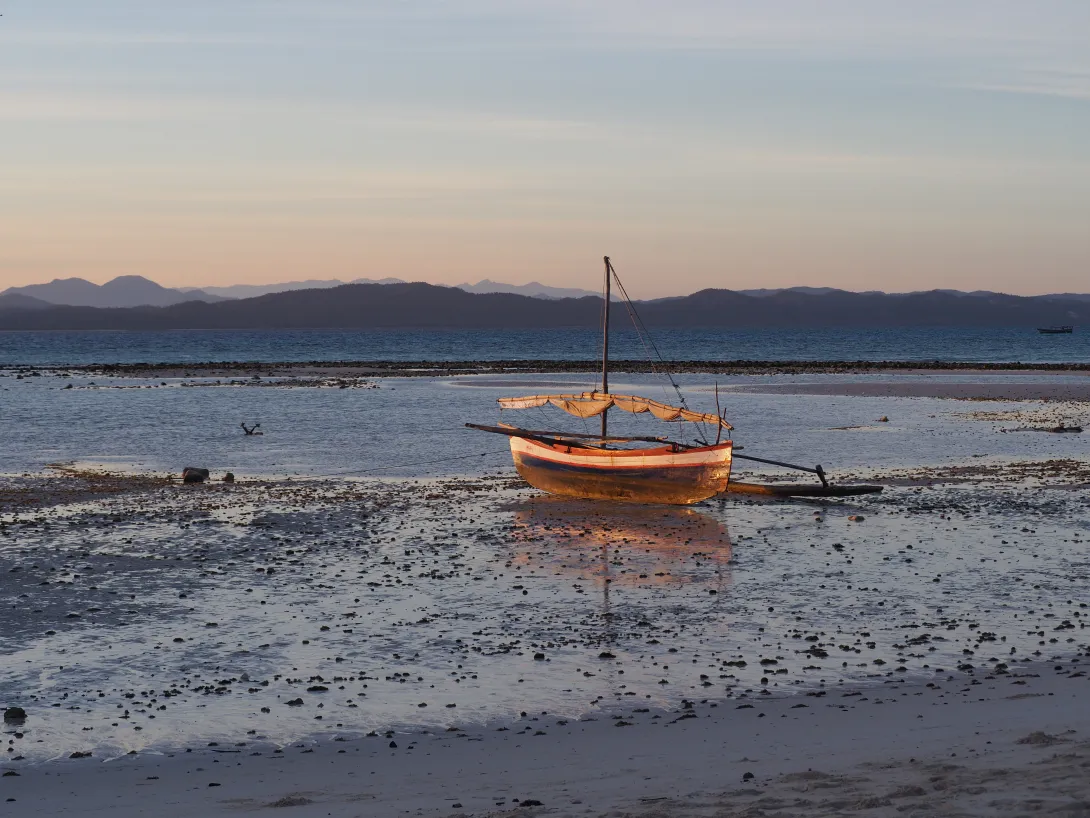
The partnership between the FFEM and the Conservatoire du littoral is based on the same approach: to experiment, evaluate, share and network. Throughout the projects, French expertise confronts the realities of the territories and is enriched by the knowledge and experiences of local partners.
From West Africa to the Mediterranean, these cooperations contribute to the emergence of solutions adapted to the challenges of coastal areas and islands, and to promote their dissemination on a larger scale.
Find our latest news on marine and coastal ecosystems
The Ocean at the Heart of Solutions for Climate and Biodiversity
Essential to climate regulation, biodiversity, and the livelihoods of millions of people, the ocean covers more than 70% of the Earth’s surface but is now facing increasing pressures. To mark World Oc...
Published on June 8, 2026
Discover our flagship projects
Promoting blue carbon for sustainable fishing and resilient coastlines in Tunisia (PENELOPE)
In progress
2026 - 2029