Share the page

Nature-based solutions for urban resilience in Central America (Fundaeco)
Project

-
Project start date
-
Status
In progress
-
Estimated date of project termination
-
-
Project financing date
-
-
Financing duration
-
4 years
-
Type of program
-
FFEM
-
Global financing amount
-
€ 5133000
-
FFEM financing amount
-
€ 2000000
-
Project lead member institution(s)
-
French Ministry of the Ecological Transition
-
Country and region
-
Latin America
-
Type of financing
-
Partners
-
Beneficiaries
-
Fundaeco
-
Type of beneficiary
-
NGO, Foundation

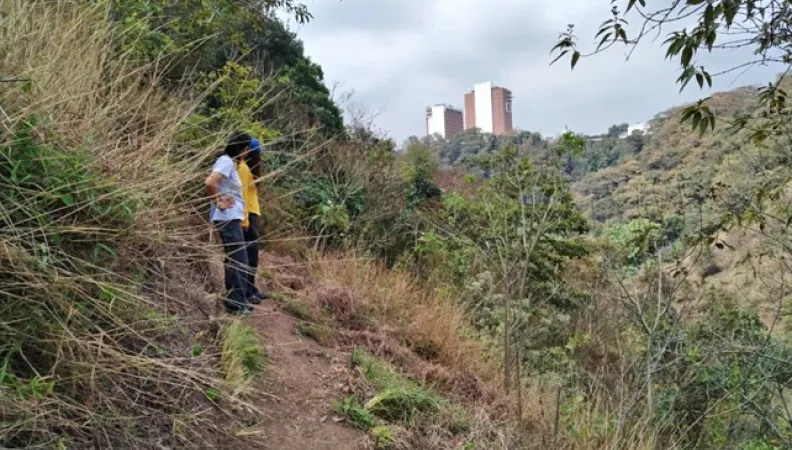
Faced with rapid urbanisation and increasing climate risks in Central America, the project aims to consolidate nature-based solutions in Guatemala's Central Metropolitan Area on the one hand, and to roll them out in other cities in the country and the region on the other. It strengthens the development and conservation of green corridors and urban ecological parks in order to preserve biodiversity, improve watershed connectivity and increase the resilience of urban areas to climate change.
Context
In Central America, cities are growing rapidly, often chaotically, in areas vulnerable to earthquakes, storms and floods. This urban expansion increases climate risks and makes populations more vulnerable; Guatemala City, San Salvador and Tegucigalpa are among the most exposed cities in the world according to the World Risk Index. Given the limitations of grey infrastructure, nature-based solutions are emerging as a lever for resilience. The project is a continuation of the Metropolitan Green Belt initiative led by FUNDAECO between 2017 and 2021 and supported by the FFEM, which demonstrated that it is possible to integrate biodiversity into urban development policies, and aims to amplify its impact at the national and regional levels.
Description
The project is based on three components:
- Consolidating regulatory frameworks and territorial planning (development plans, decree-law on the Green Belt, ‘Biodiverciudades’ laboratory).
- Strengthening the metropolitan Green Belt by creating or consolidating 31 metropolitan ecological parks (25 of which are financed by the FFEM) and through innovative mechanisms (Green Passport, guarantee fund, land trust).
- Replicate the model in other cities in Guatemala by creating 8 ecological parks (including 4 financed by the FFEM) and in neighbouring capitals (San Salvador, Tegucigalpa) through regional training and exchanges
Results and expected outcomes
- Create or consolidate nearly 761 hectares of natural areas, including 130 hectares supported by the FFEM.
- Improve the quality of life for nearly 232,000 people through access to urban parks.
- Strengthen the sustainability of the Green Belt through planning tools, protection measures and new financing tools for investment and management.
- Increase urban resilience through nature-based solutions (temperatures, soils, rainwater, air).
- Mobilise citizens and develop local economic opportunities (green jobs, ecotourism, crafts).
Innovative and exemplary features
The project is at the forefront of urban resilience policies in Central America. It combines ecological planning, nature-based solutions, citizen mobilisation and financial innovation in contexts marked by high social and institutional vulnerability.
It is experimenting with structural tools such as the Land Acquisition Guarantee Fund, ecological compensation mechanisms and the Metropolitan Green Passport, in order to secure urban natural spaces in a sustainable manner and ensure their long-term accessibility.
Through its integrated and inclusive approach, it offers a model that can be adapted and replicated at the regional level, helping to build cities that are more sustainable, equitable and resilient to climate risks.
Sustainable Development Goals
ODD3 Good health and well-being
ODD6 Clean water and sanitation
ODD11 Sustainable cities and communities
ODD13 Climate action
ODD15 Life on land