Share the page
ONE HEALTH SUMMIT : the FFEM strengthens its commitment and signs 2 new structuring projects
Published on
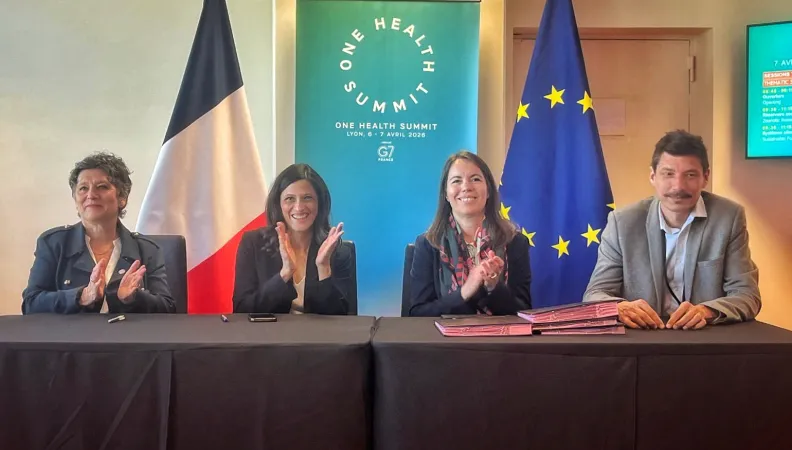
On the occasion of the One Health Summit, which will be held in Lyon on April 6 and 7, 2026, the French Facility for Global Environment (FFEM) announces the signing of two new structuring projects: One2Zero in Ecuador and Peru and Thiellal II in Senegal.
Selected from more than 140 projects submitted as part of a call for projects launched in 2024 dedicated to the fight against pollution using the One Health approach, these projects illustrate FFEM’s ability to bring out innovative, concrete and reproducible solutions, at the crossroads of health, environment and development issues.
Faced with global crises, the ONE HEALTH approach is necessary
Health crises, climate change, biodiversity erosion and pollution are closely linked. The One Health approach, based on the interdependence between human, animal and ecosystem health, stands out as an essential framework to address it.
The One Health Summit in Lyon will bring together public decision-makers, scientists, international organizations and field actors to accelerate cooperation and deployment of operational solutions.
In this dynamic, France relies notably on the FFEM to experiment and disseminate innovative responses in the countries of the South.
The FFEM: experiment today with tomorrow’s solutions
For more than 30 years, the FFEM has been financing pilot projects with high potential for replication, with an approach based on experimentation, demonstration and scaling up.
In the field of One Health, its action is based on:
- an integrated approach linking ecosystem, animal and human health;
- a targeting of pollution, at the heart of the triple environmental crisis;
- solutions co-built with local actors;
- a requirement for innovation and reproducibility.
1. Projects already in action
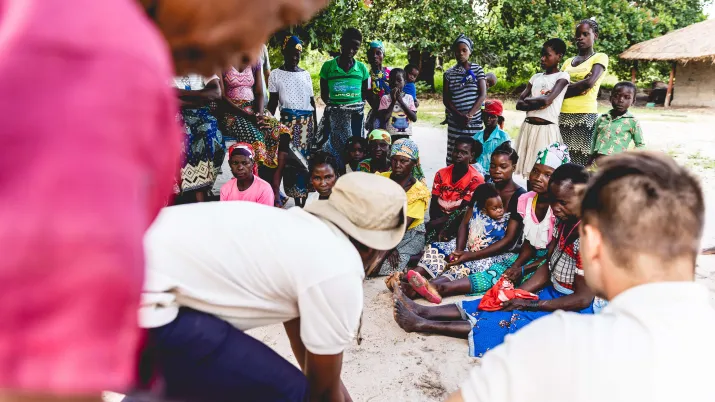
In Mozambique, the One Limpopo One Health (OLOH) project is deploying an integrated approach in a major transboundary conservation area. It reconciles local development, sustainable management of natural resources and reduction of conflicts between wildlife and populations, while improving the health of ecosystems and communities.
In Uganda, faced with pressures related to poaching, intensive agriculture and population growth, the FoFauPopU project in the Kibale National Park region works to restore the balance between forest, wildlife and populations by promoting concerted governance, sustainable agricultural practices and a joint improvement of the health of populations and ecosystems.
These initiatives illustrate the capacity of FFEM to deploy One Health approaches adapted to various contexts, by articulating conservation, development and territorial governance.
For 30 years, the FFEM has been working to demonstrate that it is possible to reconcile the protection of the planet and human development. Today, more than ever, this integrated approach is essential: we must implement solutions that simultaneously address the challenges of biodiversity, climate and pollution. 'One Health' approaches and nature-based solutions show the way: they remind that the health of ecosystems, animals and humans is deeply interconnected.
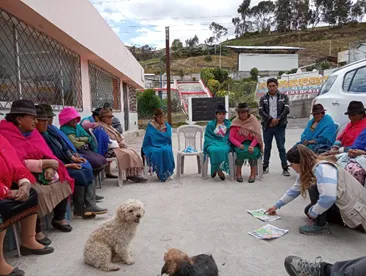
One2Zero: inventing pesticide-free territories in the Andes
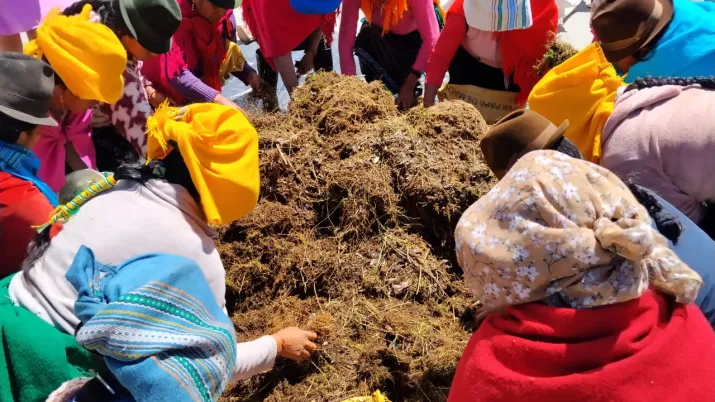
Deployed in Ecuador and Peru with the IRD, One2Zero responds to the health and environmental impacts related to the intensive use of pesticides. The project proposes a transformation of agricultural systems based on the creation of 'pesticide-free' commons, where farmers collectively commit to changing their practices.
What makes it an innovative and exemplary project:
- a territorial approach inspired by the management of common goods;
- a collective mobilization at the scale of agricultural territories;
- an articulation between scientific research, local action and public policies;
- a concrete implementation of One Health.
This operational model has strong potential for replication in other contexts.
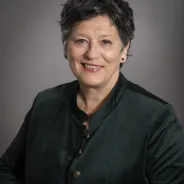
The One2Zero project fully illustrates the capacity of research to support concrete transformations at the service of territories. By mobilizing scientific knowledge and co-constructing solutions with local stakeholders around the "One Health" Commons for a "zero pesticides" transformation, we contribute to reducing risks for human, animal and ecosystem health. The IRD’s partnership with the FFEM is essential in this regard: it allows linking science, innovation and field action, and to integrate these initiatives into a large-scale change dynamic.
Thiellal II: sustainably transforming agricultural practices in Senegal
Implemented with Agronomes & Vétérinaires Sans Frontières (AVSF), the Thiellal II project operates in the regions of Vélingara and Kédougou. It aims to reduce the use of pesticides and veterinary products, improve agricultural waste management and protect the health of populations and ecosystems.
Its innovative character is based on:
- a concrete territorial implementation of One Health;
- a strong multi-stakeholder mobilization;
- an integrated waste management model combining prevention, treatment and agroecological alternatives;
- a systemic approach promoting reproducibility.
The project thus constitutes a sustainable lever for transforming agricultural practices.
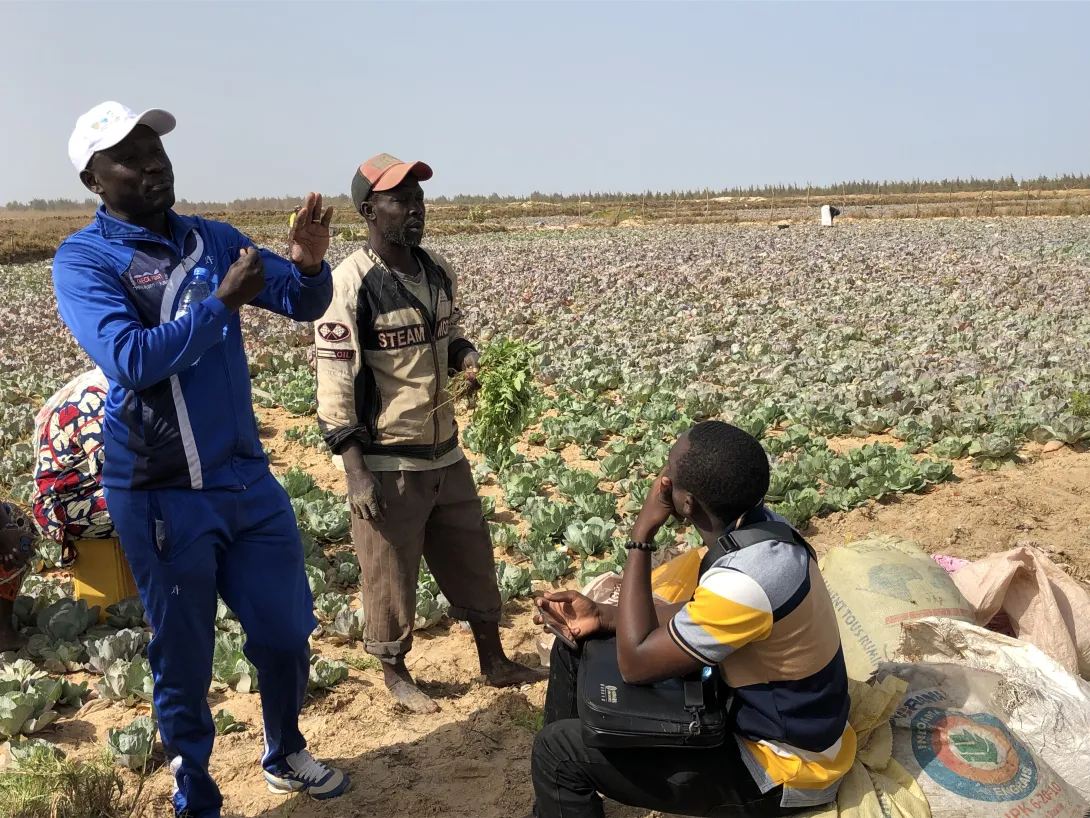
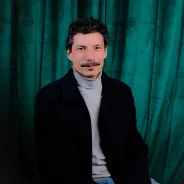
With the Thiellal II project, we are working closely with local authorities to address major health and environmental issues related to the use of pesticides and veterinary products. The support of the FFEM is decisive: it allows us to deploy concrete solutions, co-constructed with local communities, while strengthening the capacities of actors and territorial governance. This partnership for more than 20 years illustrates the importance of integrated and sustainable approaches to meet the challenges of One Health.
A dynamic that is bound to strengthen
With One2Zero and Thiellal II, the FFEM is continuing a dynamic already engaged with projects such as One Limpopo One Health and FoFauPopU, demonstrating the diversity of possible responses according to territories and challenges.
This dynamic continues with the Daetox project, deployed in Benin, the Democratic Republic of the Congo and Senegal, which aims to sustainably reduce pollution from agri-food systems for the benefit of 8,500 households.
These initiatives are based on a strong conviction: environmental transitions are built from local solutions, driven by strong partnerships and supported by science.
Make ONE HEALTH a driving force for transformation
Through the FFEM, France will continue to support innovative projects capable of demonstrating concrete solutions to global challenges on the ground.
The challenge now is to move from experimentation to large-scale dissemination, in order to sustainably transform agricultural, territorial and environmental models.
Because by testing, proving and sharing these solutions, transformations become possible.
Our One Health projects to transform local areas
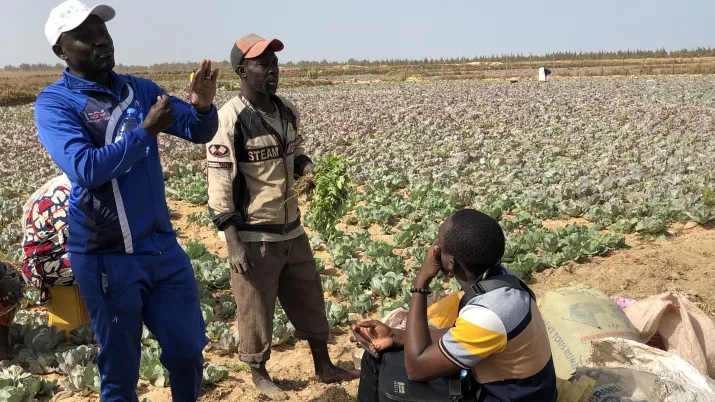
One Limpopo One Health: addressing the challenges of human, animal and ecosystem health together
In progress
2023 - 2027
Our latest news
In the face of desertification and drought, innovating on the ground to build the solutions of tomorrow
Published on June 17, 2026
The Ocean at the Heart of Solutions for Climate and Biodiversity
Published on June 8, 2026