Share the page
COP17 biodiversity: the FFEM, a laboratory of solutions to move from commitments to action
Published on
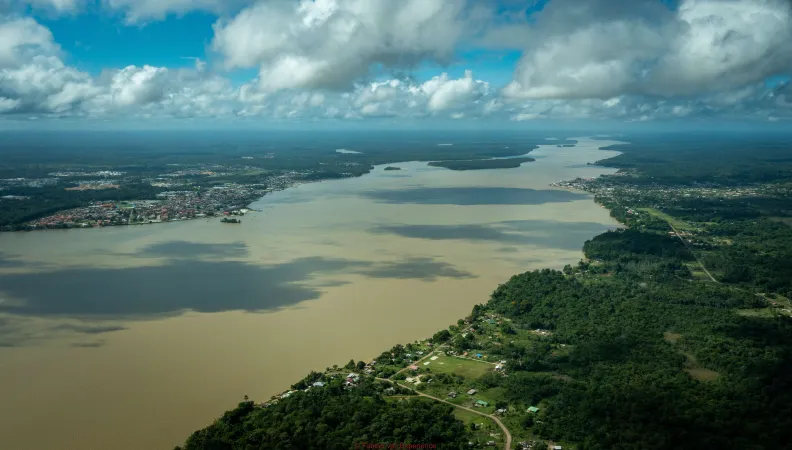
Four years after the adoption of the Kunming-Montreal Global Biodiversity Framework, COP17 marks a milestone in accelerating the transition from international commitments to action. From the links between biodiversity and climate to the fight against pollution, including ocean protection, funding for conservation and the mobilization of local stakeholders, the FFEM will share field experiences that show how to take concrete action in response to environmental crises.
For more than 30 years, the French Global Environment Facility (FFEM) has supported pilot projects to preserve biodiversity and address the interdependencies between major environmental crises. By mobilizing French, local and international expertise, it experiments with its partners with solutions adapted to the realities of the territories. It assesses the impacts and draws lessons useful for public policies, in France as in partner countries, to promote the dissemination of the most promising approaches.
Biodiversity cannot be preserved sustainably without also acting on climate, land degradation and pollution. Through the projects we support with our partners, the FFEM supports integrated solutions that are adapted to local realities and bring environmental and socio-economic benefits. These pilot projects are intended to produce effects beyond the territories where they are being tested. By evaluating their results and sharing the lessons learned, we contribute to the emergence of approaches that could inspire public policies and be scaled up.

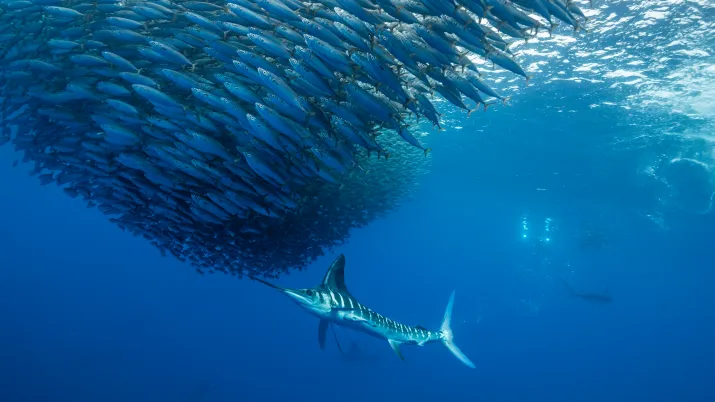
Vast, still largely unknown and subject to growing pressures, the high seas are at the heart of major issues for biodiversity and climate. The entry into force, in January 2026, of the international agreement on biodiversity in the high seas (BBNJ) opens a new stage: that of its practical implementation. Since 2014, the FFEM has initiated five projects to improve scientific knowledge, strengthen stakeholder capacities and support ocean governance.
Among them, SARGADOM, conducted in partnership with the French Office for Biodiversity (OFB), the Marviva Foundation and the University of Western Brittany, contributes to preparing the protection of the Costa Rica Thermal Dome and the Sargasso Sea, two remarkable high-seas ecosystems.
In the western Indian Ocean, the QWIO project, implemented by WCS and supported by a consortium of partners including Armateurs de France, is experimenting with solutions to reduce underwater noise related to maritime activities. With Plankton'Eco, conducted in partnership with the Tara Ocean Foundation, FFEM contributes to a better understanding of the role of plankton in carbon sequestration and the renewal of fishery resources. This research sheds light on the links between marine biodiversity, ocean functioning and climate regulation.
These experiences make sense in the context of implementing the BBNJ agreement, which calls for strengthening international cooperation and knowledge needed to protect biodiversity on the high seas. They will be highlighted in particular during the side event "From COP17 to IMPAC6: Connected High Seas Marine Protected Area Networks", which the FFEM will attend and which is dedicated to developing coherent networks of marine protected areas in the high seas.
Link to the side event: https://www.cbd.int/side-events/7049
Pollution affects ecosystems, undermines biodiversity and threatens human health. To address this, the FFEM supports projects that combine several approaches and seek to act at the source of contamination.
In Guyana, the recently completed Mercure project aimed to reduce the risks of mercury contamination on natural environments and populations, notably in partnership with UNDP and WWF France. In Costa Rica, the Plastic pilot project, also conducted in collaboration with UNDP, has been experimenting since 2022 with solutions to reduce plastic consumption and improve waste management.
Reducing the risks associated with pesticides is another lever for action. With One2Zero in Ecuador and Peru, and DAETOX in Africa, the FFEM supports, in partnership with the IRD, approaches combining agroecology and One Health ("One Health"). These projects seek to change agricultural practices while preserving biodiversity and the health of populations. They illustrate the value of approaches that take into account the links between environment, agriculture and health rather than dealing with these issues separately.
Protecting 30% of land and sea by 2030 requires developing complementary conservation approaches and finding ways to fund them over time.
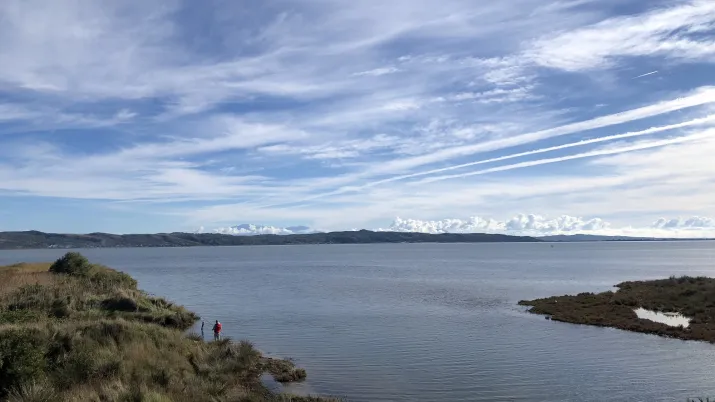
In the Balkans, the PONT CONNECT project, implemented by the Prespa Ohrid Nature Trust (PONT), explores the potential of other area-based conservation measures (AMCEZ). These systems make it possible to recognize and support areas that contribute to the preservation of biodiversity outside traditional protected areas.
In the Amazon, the Vital Reserves project, conducted in partnership with Conservation International, is experimenting with innovative financial mechanisms to sustainably support the conservation of forest territories. Beyond the protection of the areas concerned, these initiatives aim to establish long-term conservation efforts and mobilize funding commensurate with needs.
The preservation of biodiversity also relies on those who act daily in the territories. Civil society organizations play a vital role in generating locally relevant initiatives, mobilizing people and voicing their concerns to decision-makers.
Through the Small Initiatives Programme (PPI), implemented by the French Committee of IUCN, the FFEM supports African civil society organizations in their conservation projects. The new PPI 7 phase continues this commitment by strengthening their capacities and autonomy.
COP17 will also be marked by the signing of the PPI OSCAN 4 with the Director General of IUCN, Ms. Grethel Aguilar. Implemented by IUCN Méditerranée, this programme has supported more than 100 projects since 2014. This fourth phase will accompany about forty new projects in Morocco, Tunisia, Libya and Egypt.
Beyond conservation actions, the challenge is also to enable local organizations to strengthen their skills, share their experiences and participate more in decisions that concern their territories. Substantive work is essential to ensure that biodiversity and climate initiatives are sustainable.
From the Amazon forests to deep-sea ecosystems, projects supported by the FFEM explore responses to very different but closely related challenges. Their common point: to test, with local actors and scientific and technical partners, solutions whose effects are evaluated on the ground and allow for a better understanding of how to reconcile biodiversity conservation, the fight against climate change and territorial development.
At COP17, the FFEM intends to share these experiences and the lessons learned, in order to inform decisions and promote the dissemination of the most promising solutions.
A conviction: through cooperation and knowledge sharing, solutions experienced on the ground can benefit far beyond the territories where they emerge and contribute to addressing our common environmental challenges.
Discover our projects on the theme of biodiversity
Supporting the gradual phasing-out of mercury in the Guianas (MERCURE GUYANES)
Completed
2019 - 2026

Developing hybrid governance to protect and manage special areas of the high seas
In progress
2021 - 2027
Towards resilient nature and engaged communities in the Balkans (PONT CONNECT)
In progress
2025 - 2030
Discover our latest news
World Food Day: Innovating today to feed tomorrow
Published on October 16, 2026
17 years of partnership with the Conservatoire du littoral: from French expertise to shared solutions
Published on September 25, 2026
Montreal Protocol: the FFEM committed to the ozone layer and sustainable cooling
Published on September 16, 2026