Share the page
World Environment Day 2026: FFEM and its partners take action to address the three-pronged environmental crisis
Published on
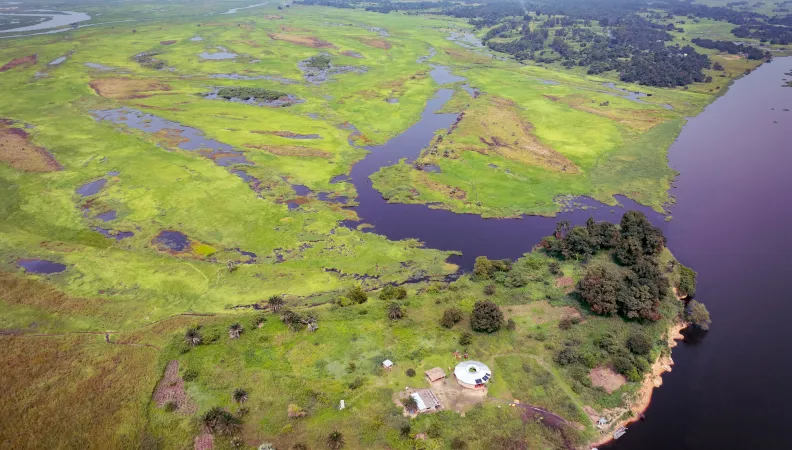
To mark World Environment Day, celebrated annually on June 5, we shine a spotlight on local solutions supported by the FFEM and its partners to address the triple crisis of climate change, biodiversity loss, and pollution. Here is an overview of initiatives that illustrate this grassroots effort.
Territories that are more resilient to climate change
In the face of increasingly severe droughts, floods, and pressure on natural resources, the FFEM supports initiatives that build community resilience while contributing to the energy transition.
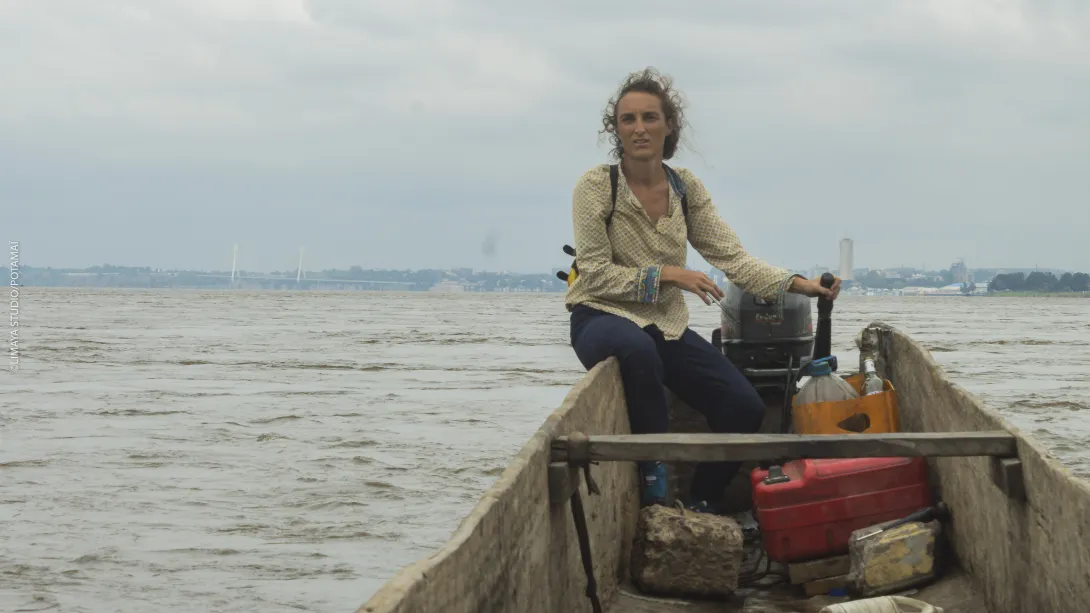
The Pot@mai and NANOE projects are thus developing rural electrification solutions based on renewable energy, improving access to energy in sometimes isolated areas while limiting greenhouse gas emissions.
According to Maguelonne Chevallier Loubelo, Executive Director of Pot@mai:
In Porto-Novo (Benin) and Maroua (Cameroon), the FFEM supports sustainable urban transition initiatives with the aim of making cities more inclusive and better prepared for the impacts of climate change. These experiences recently informed a knowledge-sharing initiative conducted with MobiliseYourCity, leading to the publication of a booklet of recommendations based on lessons learned from projects implemented in six African cities. Intended for local governments and urban development stakeholders, this document helps disseminate proven solutions to strengthen cities’ resilience to climate challenges.
Because ecological transitions are also built with future generations in mind, the ARRICE project, carried out in partnership with ADEME for the Office for Climate Education, contributes to strengthening climate education and young people’s capacity for action in Africa.
Protecting the oceans, coastlines, and biodiversity
The oceans and coastal ecosystems play a vital role in regulating the climate, preserving biodiversity, and protecting communities from extreme weather events.
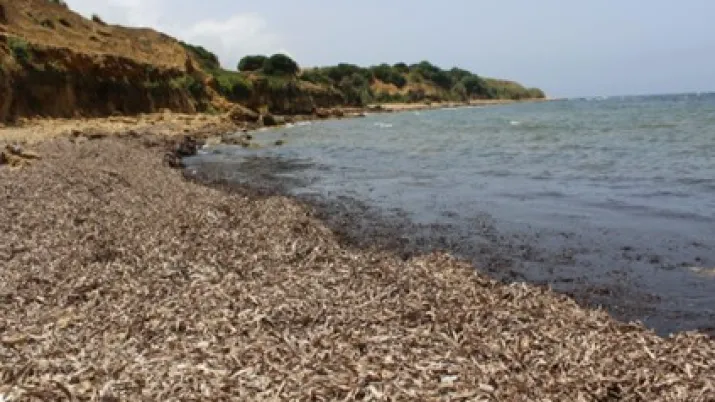
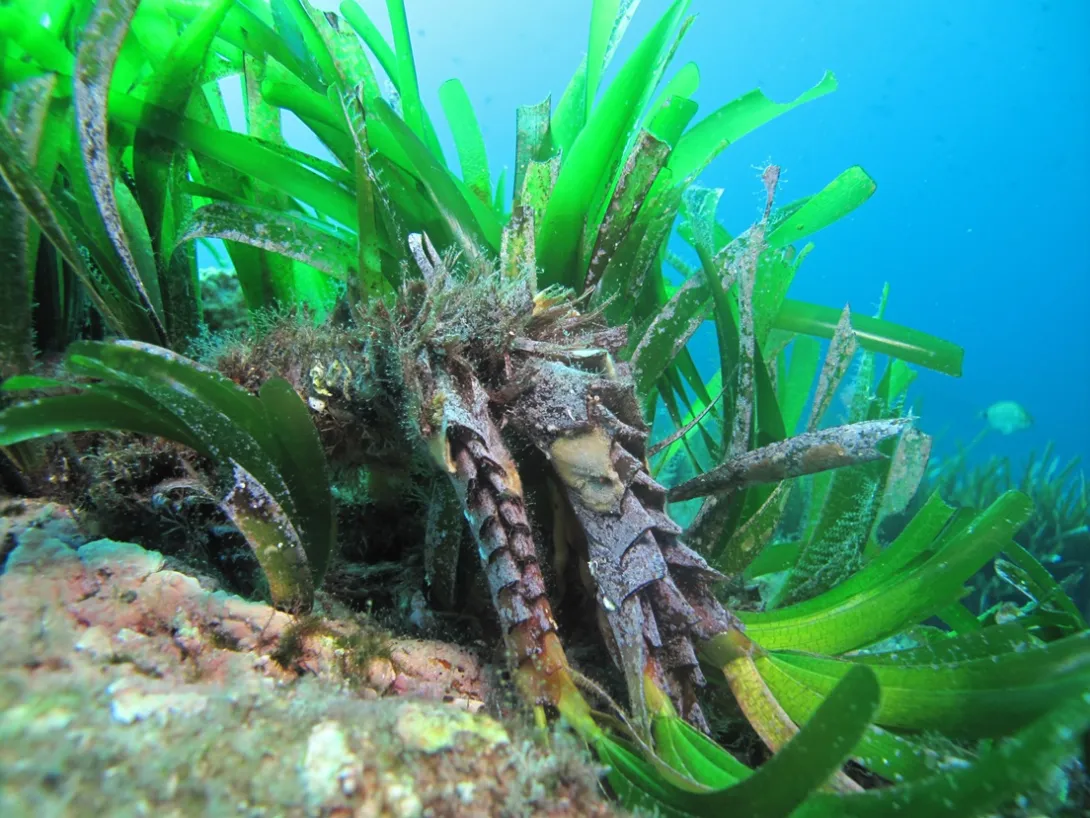
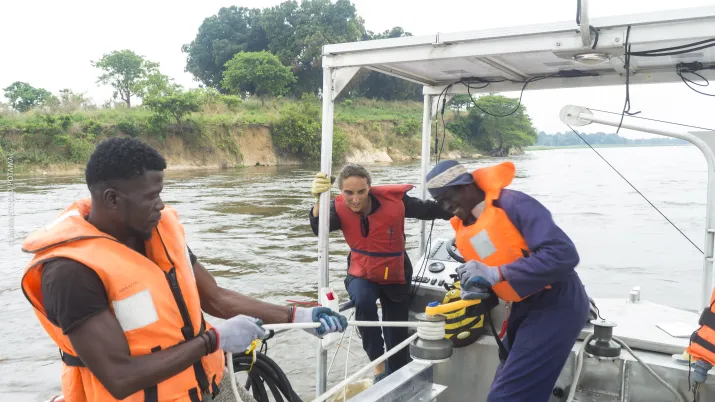
In Tunisia, the PENELOPE project contributes to the preservation of Posidonia seagrass beds, marine ecosystems that are essential to Mediterranean biodiversity and blue carbon storage.
As Véronique Andrieux, Chief Executive Officer of WWF France, points out:
In West Africa, several initiatives supported by the FFEM are also contributing to the restoration of mangroves and the development of nature-based solutions to combat coastal erosion and the risk of coastal flooding.
Supporting the agroecological transition and reducing pollution
Transforming agricultural systems is a key strategy for simultaneously addressing climate, health, and environmental challenges.
IRD is working alongside FFEM through several initiatives promoting agroecological transition. In West Africa, the DAETOX project is developing a “One Health” approach aimed at better understanding and reducing the impacts of pesticides on human, animal, and environmental health. In the Andes, the ONE2ZERO project is supporting the shift toward agricultural models less dependent on chemical inputs.
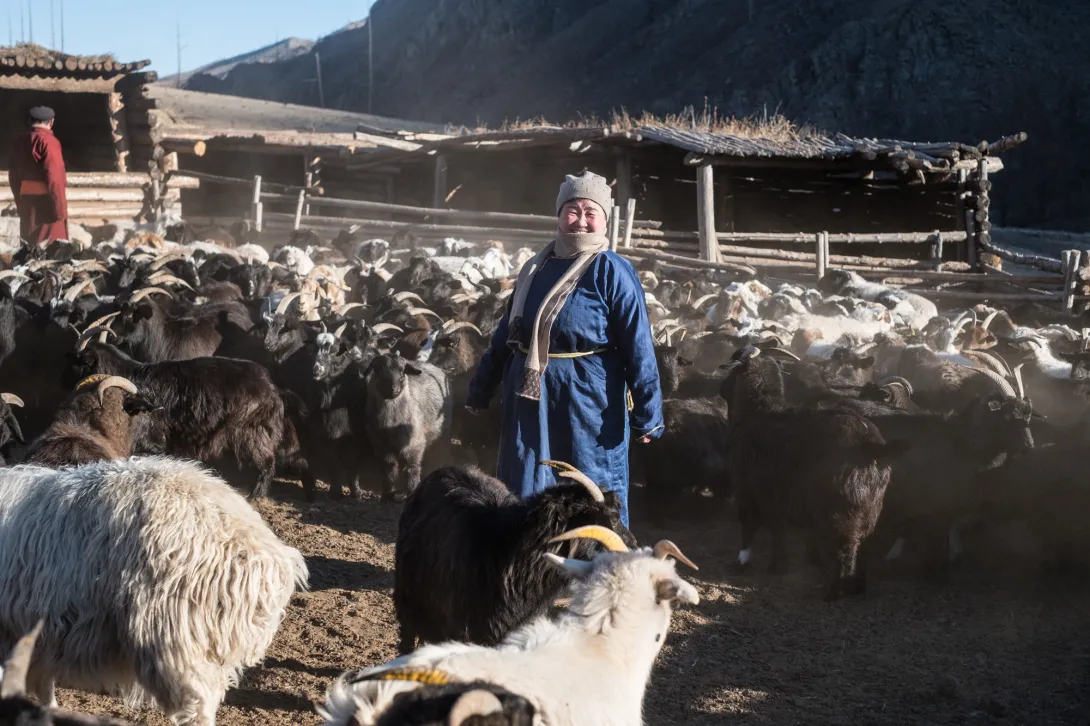
A long-standing partner of the FFEM, AVSF is also active in several regions to promote sustainable agricultural and pastoral practices. In Senegal, the THIELLAL 2 project supports producers in adopting more resilient production systems. In Mongolia, Nomads for Life supports pastoralist communities facing the combined effects of climate change and pasture degradation.
According to Frédéric Apollin, Deputy CEO of AVSF:
Local solutions to global challenges
Through the projects it supports, the FFEM demonstrates that ecological transitions first take shape on the ground. Led by local governments, associations, researchers, entrepreneurs, and local communities, these initiatives provide concrete solutions to global challenges while generating co-benefits for the climate, biodiversity, and people.
As 2026 approaches, marked by several major international events, the experience gained through FFEM-supported projects underscores a fundamental reality: solutions already exist. The challenge now is to strengthen them, promote their dissemination, and foster collaborations that will accelerate the ecological transition on a larger scale.
Some key figures on the FFEM’s action
-
24% supported projects for the conservation and enhancement of biodiversity
-
14% projects supported for the resilience of aquatic ecosystems
-
37% supported projects for the sustainable management of agricultural and forestry territories
-
20% supported projects for adaptation and the low-carbon transition of cities & territories
A closer look at the projects mentioned in the article
Promoting blue carbon for sustainable fishing and resilient coastlines in Tunisia (PENELOPE)
In progress
2026 - 2029